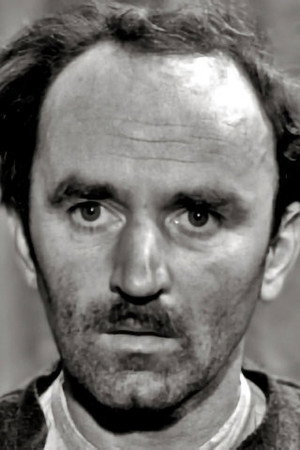
Julien Verdier Movies, TV Shows, and Filmography
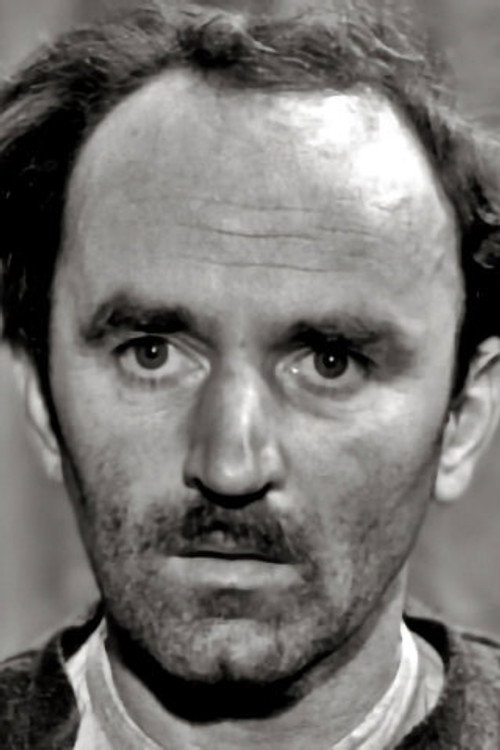
Julien Verdier
Acting
Biography
No biography available.
Filmography Movies
Acting
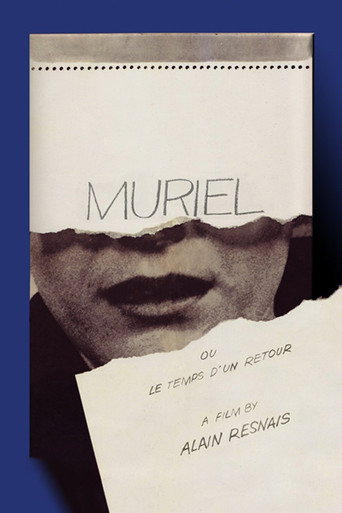
Muriel, or the Time of Return
In the seacoast town of Boulogne, antique furniture saleswoman Hélène lives with her stepson, Bernard, who's back from military duty in Algiers. An old lover of Hélène's comes to visit, Alphonse, with his niece Françoise; he too is back from Algiers, where he ran a café. Bernard speaks of his fiancée, Muriel, whom Hélène has not met. The past is obscured by guilt, misperceptions, and missed possibilities. Appearances deceive, things change. As Hélène and Alphonse try to sort out a renewal, everyone seems off-kilter just enough to hint that all cannot end well.
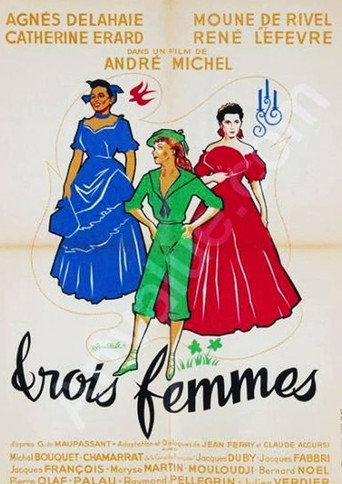
Three Women
The short stories of Guy de Maupassant enjoyed a renaissance in the early 1950s, thanks in great part to the Max Ophuls production Le Plaisir. In Trois Femmes, three De Maupassant stories are dramatized, each conveying the central theme of women falling in love. In the first, a black female carnival entertainer causes an uproar when she falls in love with a white soldier. In the second, a young bride is pressured into having a baby to collect a huge inheritance. And in the final episode, a pregnant girl is "adopted" and protected by a small circle of friends. In standard De Maupassant fashion, each of the three stories in Trois Femmes is capped by a surprise twist.
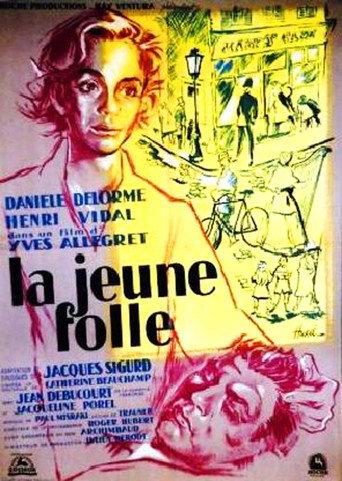
Desperate Decision
Ireland, 1922. In the midst of a national uprising, Catherine, a young orphan employed in household chores, goes in search of her brother whom she has heard in a dream calling for help.
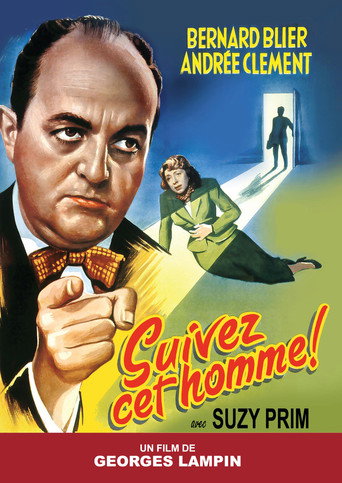
Follow That Man
While celebrating his birthday, police inspector Basquier recalls two of his most celebrated cases. The first involves duplicitous moneylender Olga. The second concerns the brutal broad daylight murder of innocent young Yvonne.
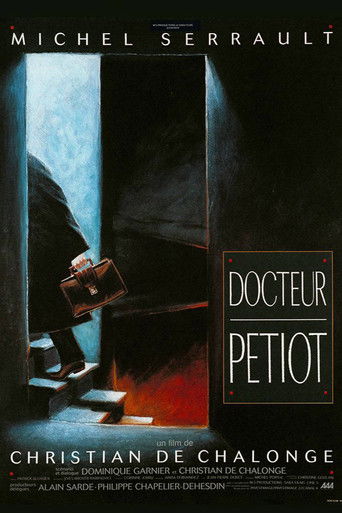
Dr. Petiot
A true story shot in a German Impressionistic style. In France during the Nazi occupation, Dr. Petiot (Michel Serrault) offered to help Jews escape the Nazis. They would come to his house, and he would kindly give them lethal "vaccinations" for their anticipated travel to Argentina. Then he would steal everything the brought with them (in addition to their up-front payment to him) and burn their bodies in his home-made crematorium.
François le Champi
A young miller takes under her protection an orphan brought up by an old woman.
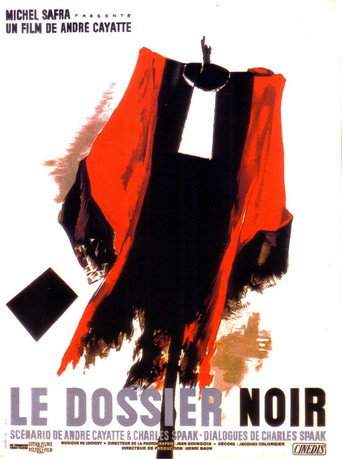
Black Dossier
In the 1950s, in a small provincial town, a young inexperienced judge clashes with an influential notable during an investigation into a suspicious death. His perseverance to get to the truth will cause a huge scandal.
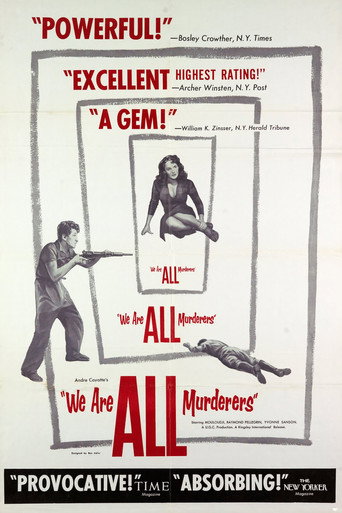
We Are All Murderers
Originally titled Nous Sommes Tout des Assassins, We Are All Murderers was directed by Andre Cayette, a former lawyer who detested France's execution system. Charles Spaak's screenplay makes no attempt to launder the four principal characters (Marcel Mouloudji, Raymond Pellegrin, Antoinine Balpetre, Julien Verdeir): never mind the motivations, these are all hardened murderers. Still, the film condemns the sadistic ritual through which these four men are brought to the guillotine. In France, the policy is to never tell the condemned man when the execution will occur--and then to show up without warning and drag the victim kicking and screaming to his doom, without any opportunity to make peace with himself or his Maker. By the end of this harrowing film, the audience feels as dehumanized as the four "protagonists." We Are All Murderers was roundly roasted by the French law enforcement establishment, but it won a special jury prize at the 1952 Cannes Film Festival.
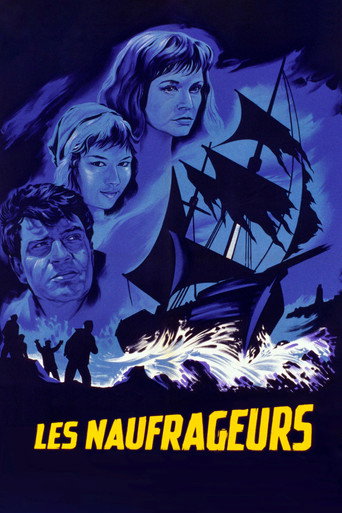
The Wreckers
In 1852, the famine on a desolate Britanny's island named Blaz-Mor, off the coast of Finistère. Some residents exalted hold responsible the young Moira, equivalent to a witch. The old Marnez, "head" of the island, is trying to restore calm and opposes Yann Le Heart, the fiancé of his daughter Louise Kermelen, who wants causing a shipwreck to save the island from famine.
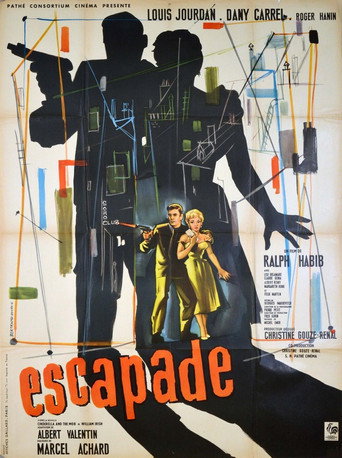
Escapade
Some gangsters use a young girl to get to a recently released convict who hid $10 million from a robbery just before he was caught.
Production
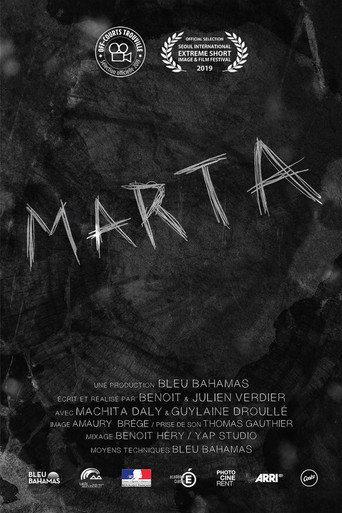
Marta
A journalist’s six-minute interview with 25 years old former Nigerian sex worker Marta, is conveyed to the audience without any interruption. The suffering that Marta left behind and the wounds present in her soul are being reopened for the young woman during the interview. This life story that fits in six minutes drags the audience into the traces of the young woman’s past life.
Marta
A journalist’s six-minute interview with 25 years old former Nigerian sex worker Marta, is conveyed to the audience without any interruption. The suffering that Marta left behind and the wounds present in her soul are being reopened for the young woman during the interview. This life story that fits in six minutes drags the audience into the traces of the young woman’s past life.
Marta
A journalist’s six-minute interview with 25 years old former Nigerian sex worker Marta, is conveyed to the audience without any interruption. The suffering that Marta left behind and the wounds present in her soul are being reopened for the young woman during the interview. This life story that fits in six minutes drags the audience into the traces of the young woman’s past life.
Marta
A journalist’s six-minute interview with 25 years old former Nigerian sex worker Marta, is conveyed to the audience without any interruption. The suffering that Marta left behind and the wounds present in her soul are being reopened for the young woman during the interview. This life story that fits in six minutes drags the audience into the traces of the young woman’s past life.
Marta
A journalist’s six-minute interview with 25 years old former Nigerian sex worker Marta, is conveyed to the audience without any interruption. The suffering that Marta left behind and the wounds present in her soul are being reopened for the young woman during the interview. This life story that fits in six minutes drags the audience into the traces of the young woman’s past life.
Gallery