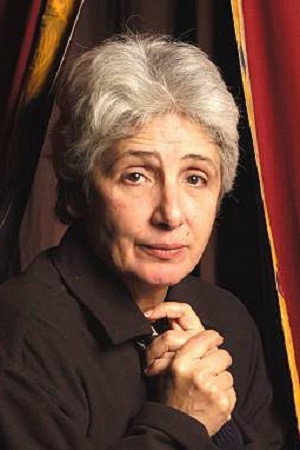
Juliana Carneiro da Cunha Movies, TV Shows, and Filmography

Juliana Carneiro da Cunha
Acting
Biography
Juliana Carneiro da Cunha (Rio de Janeiro, January 19, 1949) is a Franco-Brazilian actress and dancer. Since 1989 she has lived in France, where she has performed in several plays.
Filmography Movies
Acting
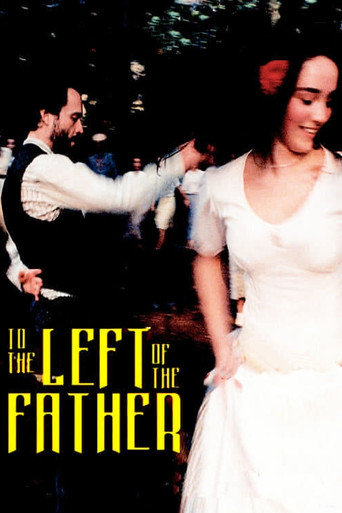
To the Left of the Father
In 1940s São Paulo, Pedro’s tasked to retrieve his estranged brother André. André’s departure stems from a domineering father, an overly affectionate mother, and Pedro’s jealousy over the father’s favoritism. Further complicating matters is André’s unconventional relationship with their sister, Ana.

The Brazilwood Man
Fantasy comedy about Brazilian writer Oswald de Andrade, one of the most important icons of Modernism in Brazil. In the film, Oswald is played by two actors: Ítala Nandi, as his feminine anima, and Flávio Galvão, as the masculine half.
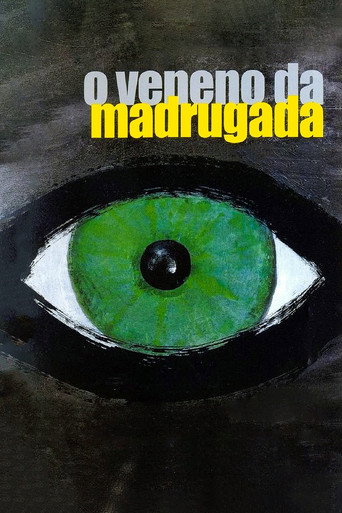
In Evil Hour
The old servant and chronicler Dom Sabas tells how his desolate South American town is the scene of a ruthless power struggle. The landowning Assis family, reduced to a widow and son, tries to hold out against the young, despotic mayor. No less effective then actions are anonymous rumors and accusations, which often stir the inhabitants' moves.
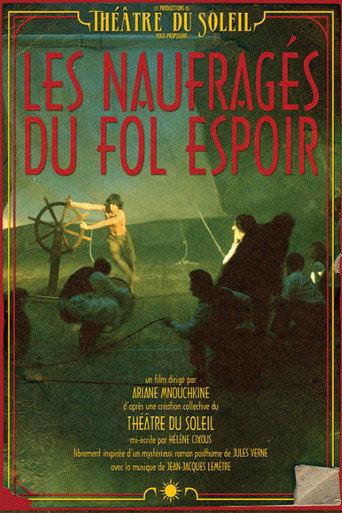
The Castaways of the Fol Espoir
A film-crew in the early twentieth century, the cabaret known as ‘Le Fol Espoir’ has been transformed into an amateur soundstage. The motion picture tells the story of a ship and its passengers – from the famous opera singer down to the petty criminal. The film is an optimistic political fable intended to educate the masses. There’s comedy aplenty – slapstick punches, custard pies and gags reminiscent of Buster Keaton and Fatty Arbuckle; there’s adventure, high drama moments of great bravura , and passionate love stories. The filming begins on June 28th 1914, the day of the Archiduke Franz Ferdinand’s assassination in Sarajevo, the gunpowder that sets Europe alight. It ends with news of another assassination – that of Jean Jaures on July 31st followed by the general conscription of August 1st, heralded by church bells across France. The allegory of the shipwreck is filmed at breakneck pace during the last five weeks before war breaks out.

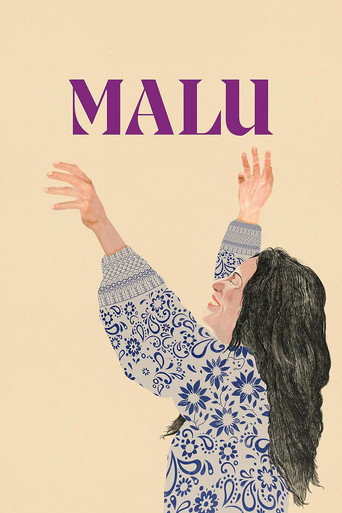
Malu
Malu — a mercurial, unemployed actress living with her conservative mother in a precarious house in a Rio de Janeiro slum — tries to deal with her strained relationship with her own adult daughter while surviving on memories of her glorious artistic past.
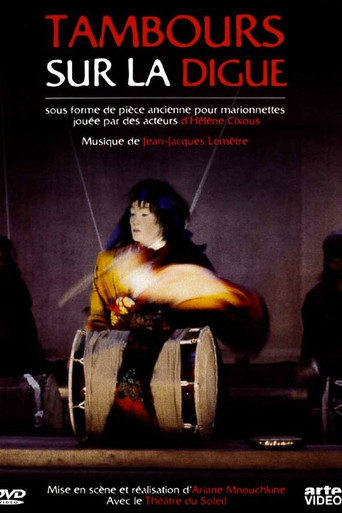
The Flood Drummers
Based on the play by Hélène Cixous, filmed in 2002, Tambours sur la Digue is a story written by Hélène Cixous based on an ancient Asian fable about who shall be saved during a flood and presented by live actors as puppets and puppeteers, evoking the theatrical traditions of Japanese Noh and bunraku.
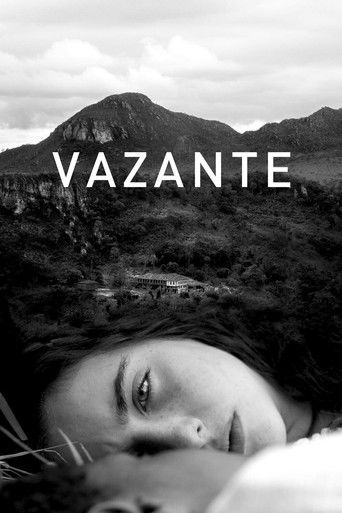
Vazante
Brazil 1821. Upon his return to the imposing farmhouse, Antonio, a rich cattle herder, finds out that his wife dies in labor. Forced to live in the property with numerous African slaves, he marries his wife's niece. A restless soul, he returns to droving, leaving his young wife behind alone with the slaves.

The Moving Forest
Based on William Shakespeare's "Macbeth". Elias is a successful executive who works in the second largest private bank in Brazil. One day, Elias meets a mysterious woman who claims to be able to predict his future and says he will become vice president that day and the next day, he will become president of the Bank. The wheel of fortune is bound activated and a series of murders is committed by Elias and his wife Clara, leaving a trail of blood on his way to power and making them executioners and victims of their own destinies.

Bliss
Rodrigo and Suzana have started a relationship recently. He's seventy-two, she's sixty, and they are completely in love with each other. Together, they spend days in bed, talking, eating, laughing and making love.
Gallery