Juhan Viiding Movies, TV Shows, and Filmography
Juhan Viiding
Writing
Biography
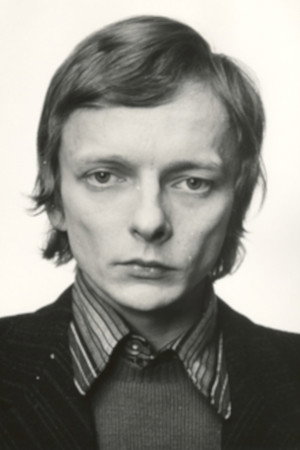
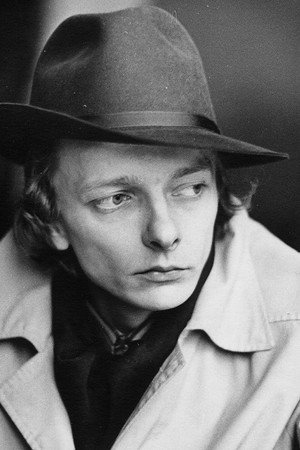
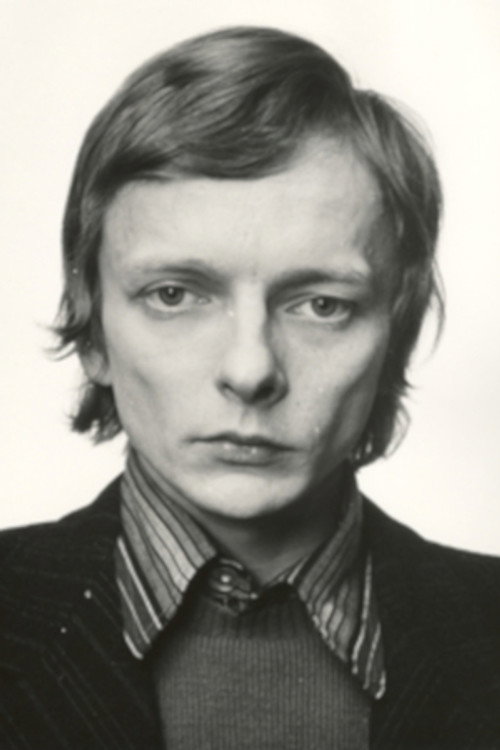
Juhan Viiding (June 1, 1948 – February 21, 1995), also known under the pseudonym of Jüri Üdi was an Estonian poet and actor. Juhan Viiding was born on 1 June 1948 in Tallinn to Paul Viiding, a well-known poet in Estonia who had belonged to the influential Arbujad (Soothsayers) – a collective group of eight young influential poets who rose to prominence before the outbreak of World War II – and Linda Viiding (née Laarmann), a noted translator. Juhan was the youngest of four children and the only boy—his older sisters were Reet, Anni and radio journalist Mari Tarand. He was an intellectually precocious and restless youngster. Between the years 1968 and 1972, Viiding studied theatre and stagecraft at the Tallinn Conservatory (now the Estonian Academy of Music and Theatre), under instruction of actor and theatre pedagogue Voldemar Panso, graduating in 1972. Among his graduating classmates were Kersti Kreismann, Ivo Eensalu, Vello Janson, Rein Kotkas, Helle Meri (née Pihlak), Katrin Kumpan, Martin Veinmann, and Tõnis Rätsep. Juhan Viiding was married to Riina Kiisk, the daughter of actor, film director and politician Kaljo Kiisk. Their daughter Elo is also a poet.
Filmography Movies
Acting
The Visitor
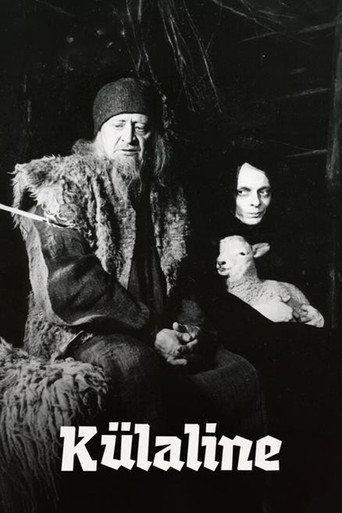
Seven times seven Deaths come to earth to fulfill their mission - to take with them the souls of the people assigned to them. One of the novice Deaths is unable to complete the task, because he becomes more and more human after each person he meets.
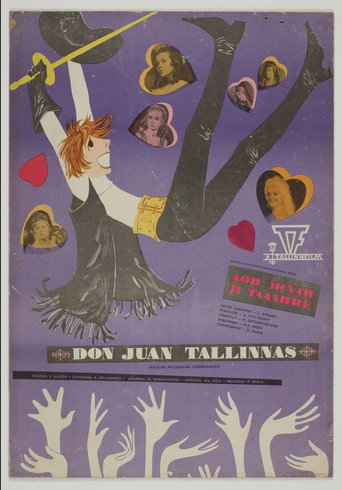
Don Juan in Tallinn
Don Juan arrives in Tallinn and soon the gossip spreads like wildfire. The local women trip over themselves to be seduced by him; the men race to defend their honor by challenging him to a duel. What no one knows is that Don Juan is a woman in disguise.
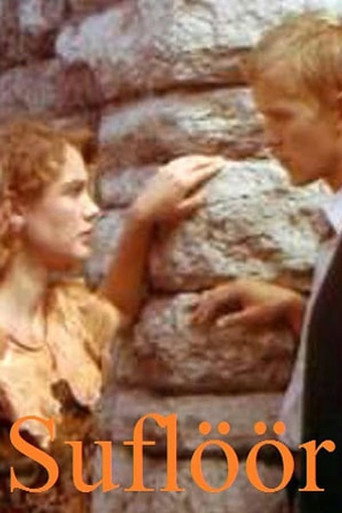
Prompter
The last film directed by Kaljo Kiisk has been dedicated to theatre and the people in theatre. You are entering the hectic world of musicians, zanies and jesters - and don't expect to hear a symphony but a single delicate sound of a flute.

Indrek
Based on the second part of the pentalogy "Truth and Justice" by Anton H. Tammsaare.
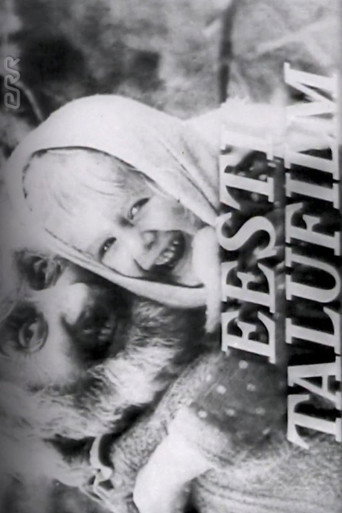
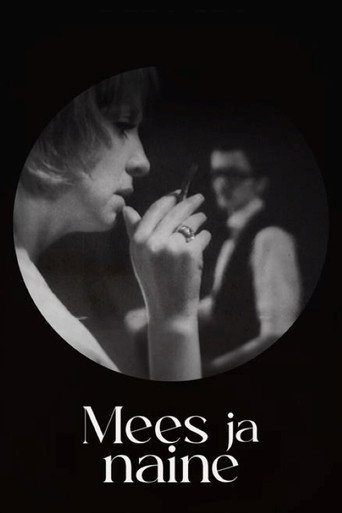
A Man and a Woman
A parody of several popular movies such as A Man and Woman (1966) and The Last Relic (1969).
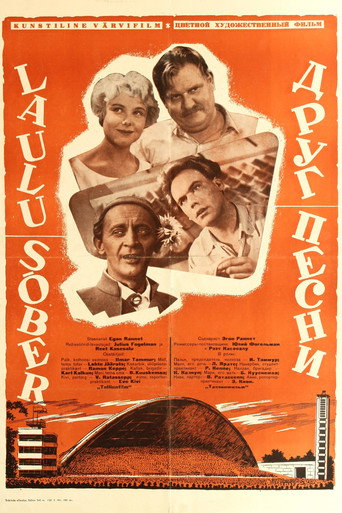
Laulu sõber
Tõnu, student of agronomy, is a trainee at a flourishing collective farm. He finds out that there are many talented singers there among whom there is Malle with a specially beautiful voice. However, the local community club is closed and the singing ground has been turned into a pasture. Malle's father is the manager of the collective farm and considers singing a waste of time. When the collective farmers hear about Tõnu's conducting skills, they will act against the manager's will. The big song festival is going to be held soon and people want to go there. Preparations of the choir go well; however, the manager of the collective farm gives no permission to take part in the festival. Singers are losing their hope, but then comes a helping hand.
Production
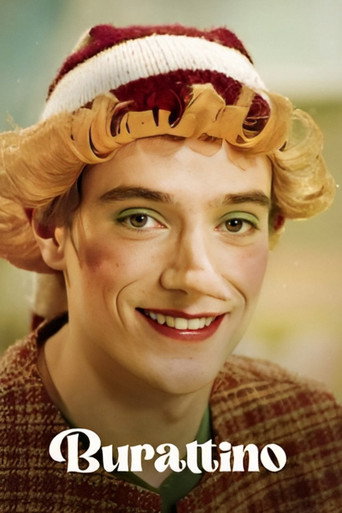
Burattino
Born from the fairytale of Alexei Tolstoy, a lively story about a curious tree boy Burattino who gets into an unexpected adventure.
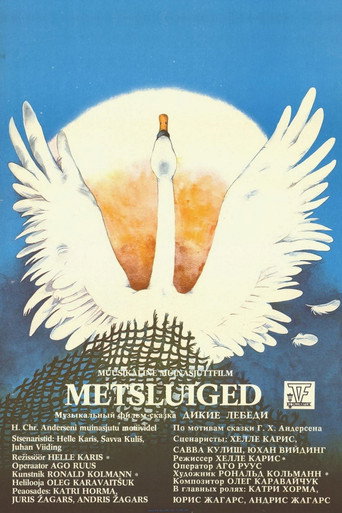
The Wild Swans
Once upon a time, a King had eleven sons and one daughter. When his wife, the Queen, died, the King remarried. The new wife and the children's stepmother looks beautiful on the outside, but actually she's an evil witch. She sends the young princess Eliise to live in the village as an ordinary peasant girl and turns all the princes into wild swans. The princes are stuck being swans all day long and only at night can they regain their true form. When Eliise is 15 years old, she learns about the fate of her brothers and now she must overcome the obstacles put in her way by her stepmother in order to release her brothers from the spell.
I Feel in the Back of My Head...
Poetic, experimental animated short directed by one of the greatest Estonian cartoonists Priit Pärn.
Prompter
The last film directed by Kaljo Kiisk has been dedicated to theatre and the people in theatre. You are entering the hectic world of musicians, zanies and jesters - and don't expect to hear a symphony but a single delicate sound of a flute.
Prompter
The last film directed by Kaljo Kiisk has been dedicated to theatre and the people in theatre. You are entering the hectic world of musicians, zanies and jesters - and don't expect to hear a symphony but a single delicate sound of a flute.

The Adventurer
Toomas Nipernaadi is seen roaming the rural landscape, going from village to village looking for the woman of his dreams. He wears a bedraggled white suit but generously pays for any lodging he needs or in one case, even buys a farm. Nipernaadi has a way with words and enchants those he meets with his wild stories about himself. Women find him appealing and the men are entertained as he moves from one locale to the next.
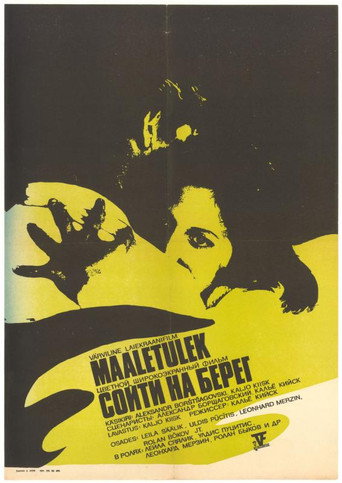
Landing
Reet loves her long-distance coxswain husband Rein, but the long separations have tortured her. It seems to her that the man cares more about his work than about her. Rein really loves his work, but his wife just as passionately. He does not understand how loneliness can overwhelm Reet, when women have always been waiting for men from far away. Their family friend Mart loves Reet and cannot see her suffer. It is in Marti's power to offer Reet a safe life, and the woman plagued by internal struggles makes a choice, but happiness seems to slip even further away.

Black Ceiling
Seven leading animation artists chose one poem from each Estonian poet according to their own taste and illustrated it with a two- to three-minute cartoon. Leading actors of the Estonian theater and cinema, as well as the authors of the poems themselves, took part in the dubbing.
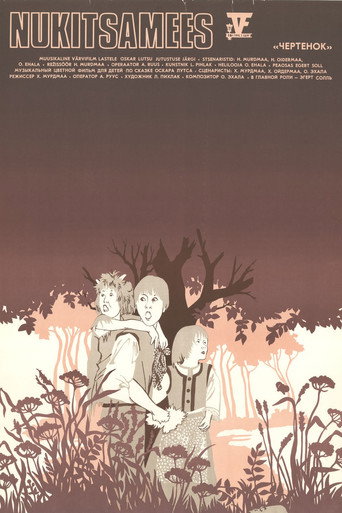
Bumpy
Brother and sister Kusti and Iti get lost in a forest while picking strawberries and are captured by an evil forest hag. They are made to work for her. The hag has a son called Bumpy whom Iti befriends. When they get a chance to escape, they decide to take Bumpy with them.
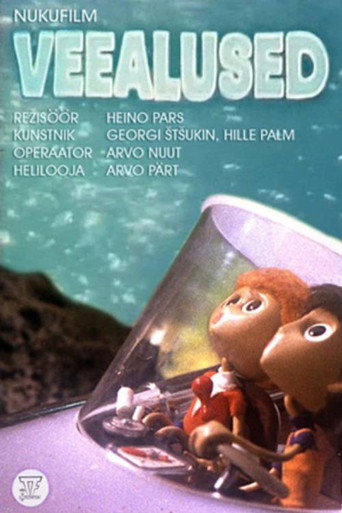
Underwater
This is a fairy tale about two boy-dolls who happen to be in the underwater world in the middle of fish and other habitants of the ocean.
Gallery