Juca Kfouri Movies, TV Shows, and Filmography

Juca Kfouri
Acting
Biography
José Carlos Amaral Kfouri, better known as Juca Kfouri, (São Paulo, March 4, 1950) is a Brazilian sports journalist.
Filmography Movies
Acting
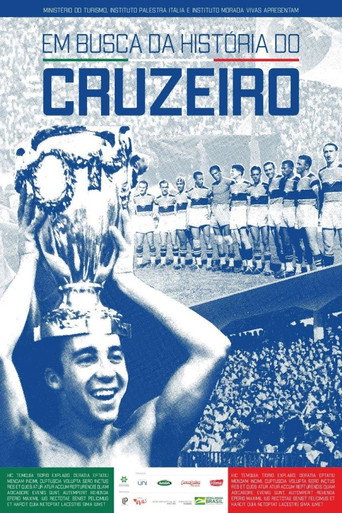
In Search of Cruzeiro's History
The documentary "In Search of Cruzeiro's History" explores the beginnings of Società Sportiva Palestra Italia, a team founded in Belo Horizonte by Italian immigrants in 1921. From its origins to becoming Cruzeiro Esporte Clube and winning the first Brazilian championship in 1966, the documentary features interviews with former players, historians, and fans, among others. The film is a production of the Palestra Italia Institute in partnership with the Vivas Institute and lasts 60 minutes.

The Hosts
This documentary shows four Brazilians who were affected by the 2014 FIFA World Cup in different ways, from a woman selling street food by the stadiums to a man who was displaced by construction projects. It paints a social-political portrait of Brazil in this historical time - before, during and four years after the World Cup - and makes a commentary on FIFA, mega-events, and their long-term impacts on the host countries.
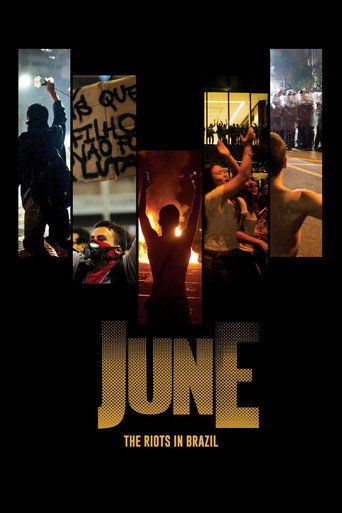
June - The Riots in Brazil
In the month of the Brazil World Cup, the documentary shows how the demonstrations against an increase in public transportation fares in São Paulo in June of 2013, evolved to national scale, reaching hundreds of cities. The movement took over one million people to the streets and it became an uprising against corruption, the lack of public services and the copious spendings on the World Cup. The film proposes a reflection on the changes conquered by protesters and asks the question: will tomorrow be bigger?
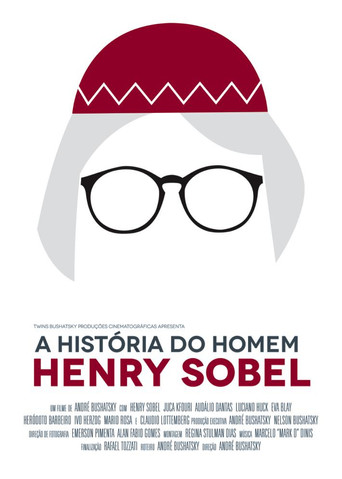
A História do Homem Henry Sobel
The Story of the Man Henry Sobel follows the life of a prominent Brazilian religious leader, exposing his courageous denunciation of military misinformation and the tragic incident of ties theft.

Olympic Women
The documentary Olympic Women, directed by Laís Bodanzky, shows that the history of women in sport is often entwined with the history of women as a whole. While so many Brazilian women were fighting for the right to vote, to divorce, and the right to free speech, some were fighting for the right to be present at one of the biggest events on the planet: the Olympics. And something that should have been simple and natural, was not. Some Olympic appearances were dramatic. Others, isolated and lonely. Just as in society, women in sport had to earn their rights by force.

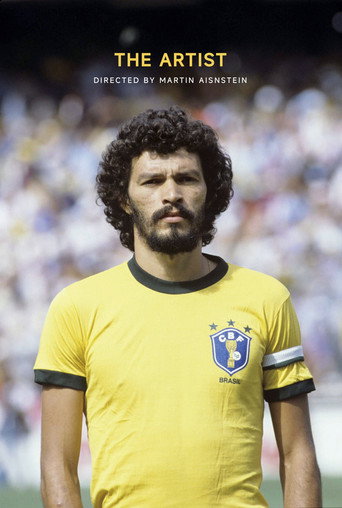
Sócrates, The Artist
Directed by Martin Ainstein as part of the "Destino Futebol" series, the documentary, produced by ESPN Films, tells the moving story of former player and doctor Sócrates, who passed away on December 4, 2011. The documentary features testimonies from members of the former Corinthians player's family, including his brothers, among them the former player Raí, his mother, and his son Gustavo. Journalists Juca Kfouri, José Trajano, and Xico Sá are also interviewed, as well as musician Toquinho and former Corinthians and Brazilian national team teammates such as Zico and Wladimir. The production showcases Sócrates' time studying medicine in Ribeirão, his journey through the teams Botafogo de Ribeirão Preto, Corinthians, Fiorentina, Flamengo, and, of course, the national team. It's a great story told by people who knew the idol, remembering key moments of Sócrates' career as a doctor, player, musician, and writer.

Adeus, Geral
Elitization of football. This is the main theme of the documentary "Adeus, Geral", directed by 5 high school students, which exposes the advantages and disadvantages of the soccer modernization process.

Democracia em Preto e Branco
Brazilian soccer players Sócrates, Casagrande and Vladimir lead a historic movement in sports by adopting a democracy within their team, making a statement against the country's military dictatorship.
Gallery