Joyraj Bhattacharjee Movies, TV Shows, and Filmography

Joyraj Bhattacharjee
Acting
Biography
Joyraj Bhattacharjee (born 17 July 1979) is an actor and director, known for Gandu (2010), Baishe Srabon (2011), Ghya Chang Fou (2017), and Bisarjan (2026).
Filmography Movies
Acting
No Refusal
'No Refusal' is based on a story of a taxi driver Manoj whose experiences and struggles are shared by thousands of immigrant Bihari workers who come to larger cities to try and earn a living. One day Manoj becomes involved in an accident that is followed by a series of events that change his life forever
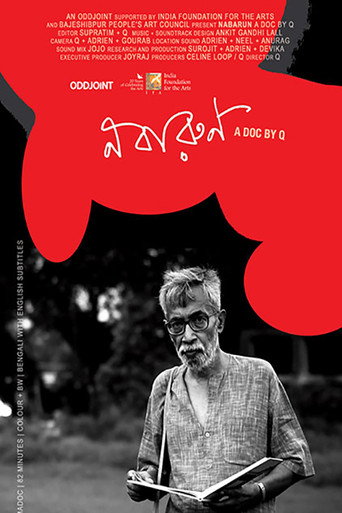
Nabarun
A documentary on the infamous Bengali magic realist, Nabarun is an exclamation mark in Bengali literature, the emphatic interjector. The film tries to get into the noisy, grimy, scratchy insides of Nabarun's mind as his characters shamelessly hustle, behave atrociously and try to exist in a violent hostile world.
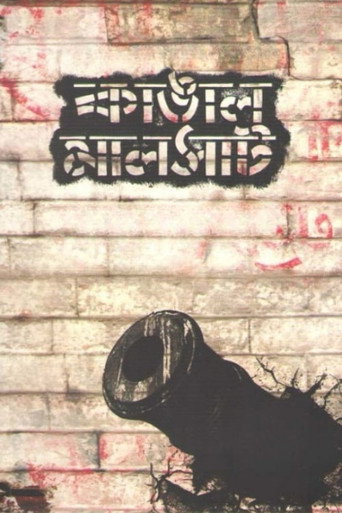
Kangal Malsat
Tired of the corrupt Communist regime and its policies, a group of flying humans and black magicians join forces to hatch a conspiracy and wage a guerrilla attack against the totalitarian government and overthrow it.
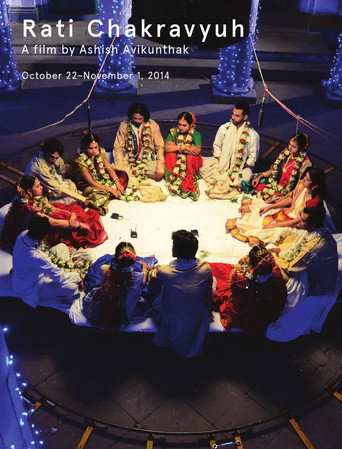
Rati Chakravyuh
On a lunar eclipse midnight, in a desolate temple, six young newlywed couples and a priestess meet after a mass wedding. They sit in a circle and talk. This their last conversation - an exchange about life, death, beginning, end and every thing in between.

Ludo
Needing a secluded place for a late-night tryst, two couples stow away in a mall after hours, but are quickly ensnared in a gruesome and deadly game.

Cat Sticks
On a rainy night in Calcutta a group of desperate addicts chase brown sugar, but the permanent intoxication they seek proves elusive. Some of them seek a release, while others do not seem to want the night to end.

Rawkto Rawhoshyo
Swarnaja (Koel Mallick) is a hard-working do-gooder radio jockey with the rarest blood group in the world, Rh null blood group. She has been brought up by her grandmother. Her four year old son Pawrag is kidnapped by Shammo, an imposter.

Gandu
After Nihilistic rapper Gandu steals from his mother's lover, he embarks on a drug-fueled rampage with a rickshaw puller.
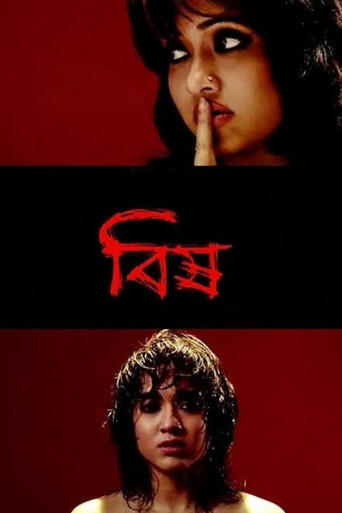
Bishh
Three college friends are fed up with the men in their lives and take charge of their own fate.
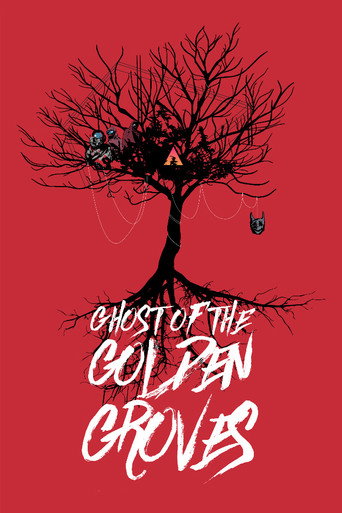
Ghost of the Golden Groves
Strange incidents occur in the heart of Shonajhuri forest in rural Bengal which develops an ominous character of its own that allures and finally engulfs the protagonists.
Production

Ghya Chang Fou
Ghya-chang-fou literally means 'suddenly beheading' in Bengali. it features thirteen unnamed people gathering in a mansion filled with archaic objects to celebrate what appears to be a communist revolution. Nothing seems real, roads open up to improbable places, places lead to impossible elevators, elevators lift people to unconvincing roads. Bacchanalian spirit steadily overtakes the initial deadpan seriousness. The encore of celebration sounds delusionary as the drunken conversation about communism, about its methods and means, about it intricate turns through history degenerates to bourgeois nonsense and decadence leading to absurd rifts, comic conflicts, unleashed orgies and debauchery.
Ghya Chang Fou
Ghya-chang-fou literally means 'suddenly beheading' in Bengali. it features thirteen unnamed people gathering in a mansion filled with archaic objects to celebrate what appears to be a communist revolution. Nothing seems real, roads open up to improbable places, places lead to impossible elevators, elevators lift people to unconvincing roads. Bacchanalian spirit steadily overtakes the initial deadpan seriousness. The encore of celebration sounds delusionary as the drunken conversation about communism, about its methods and means, about it intricate turns through history degenerates to bourgeois nonsense and decadence leading to absurd rifts, comic conflicts, unleashed orgies and debauchery.
Ghya Chang Fou
Ghya-chang-fou literally means 'suddenly beheading' in Bengali. it features thirteen unnamed people gathering in a mansion filled with archaic objects to celebrate what appears to be a communist revolution. Nothing seems real, roads open up to improbable places, places lead to impossible elevators, elevators lift people to unconvincing roads. Bacchanalian spirit steadily overtakes the initial deadpan seriousness. The encore of celebration sounds delusionary as the drunken conversation about communism, about its methods and means, about it intricate turns through history degenerates to bourgeois nonsense and decadence leading to absurd rifts, comic conflicts, unleashed orgies and debauchery.
Ghya Chang Fou
Ghya-chang-fou literally means 'suddenly beheading' in Bengali. it features thirteen unnamed people gathering in a mansion filled with archaic objects to celebrate what appears to be a communist revolution. Nothing seems real, roads open up to improbable places, places lead to impossible elevators, elevators lift people to unconvincing roads. Bacchanalian spirit steadily overtakes the initial deadpan seriousness. The encore of celebration sounds delusionary as the drunken conversation about communism, about its methods and means, about it intricate turns through history degenerates to bourgeois nonsense and decadence leading to absurd rifts, comic conflicts, unleashed orgies and debauchery.
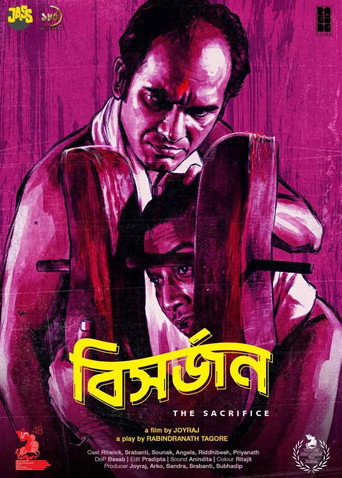
The Sacrifice
In the ancient land of Tripura, a king, a queen, and a priest rule over a kingdom steeped in superstition. The people believe the prosperity of the land depends on the blessings of the fierce Goddess Kali. If the Goddess is angered, it is said, destruction will follow. The queen, childless and desperate, clings to this belief. Convinced that a grand animal sacrifice will earn the Goddess's favour and grant her fertility, she turns to the priest for divine intervention. Together, they prepare a lavish ritual that will spill innocent blood. But the king, disturbed by the brutality of such traditions, declares a ban on animal sacrifice throughout his realm. A battle ensues: the queen and the priest defend the sacrifice as sacred duty, while the king sees it as inhumane violence.
The Sacrifice
In the ancient land of Tripura, a king, a queen, and a priest rule over a kingdom steeped in superstition. The people believe the prosperity of the land depends on the blessings of the fierce Goddess Kali. If the Goddess is angered, it is said, destruction will follow. The queen, childless and desperate, clings to this belief. Convinced that a grand animal sacrifice will earn the Goddess's favour and grant her fertility, she turns to the priest for divine intervention. Together, they prepare a lavish ritual that will spill innocent blood. But the king, disturbed by the brutality of such traditions, declares a ban on animal sacrifice throughout his realm. A battle ensues: the queen and the priest defend the sacrifice as sacred duty, while the king sees it as inhumane violence.
The Sacrifice
In the ancient land of Tripura, a king, a queen, and a priest rule over a kingdom steeped in superstition. The people believe the prosperity of the land depends on the blessings of the fierce Goddess Kali. If the Goddess is angered, it is said, destruction will follow. The queen, childless and desperate, clings to this belief. Convinced that a grand animal sacrifice will earn the Goddess's favour and grant her fertility, she turns to the priest for divine intervention. Together, they prepare a lavish ritual that will spill innocent blood. But the king, disturbed by the brutality of such traditions, declares a ban on animal sacrifice throughout his realm. A battle ensues: the queen and the priest defend the sacrifice as sacred duty, while the king sees it as inhumane violence.
Gallery