Joseph Bou Nassar Movies, TV Shows, and Filmography
Joseph Bou Nassar
Acting
Biography
No biography available.
Filmography Movies
Acting
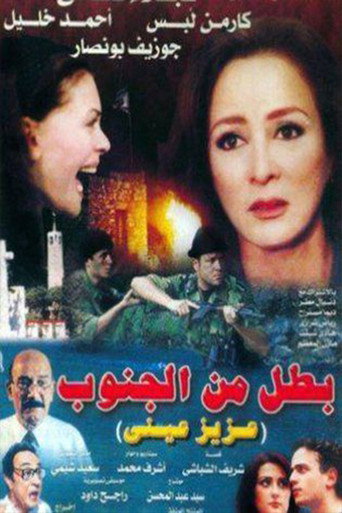
Romeo Eleven
Rami, a young man who lives with his Lebanese family in Montreal, walks with a debilitating limp. His controlling father, Ziad, insists on making Rami's choices for him. Ziad wants Rami to enroll in business school, but Rami, who is lonely and a bit of a dreamer, doesn't have his heart in it. When a young woman Rami's met online suggests they meet in person, he hatches a plan to pass himself off as Romeo, the businessman persona he assumes online.
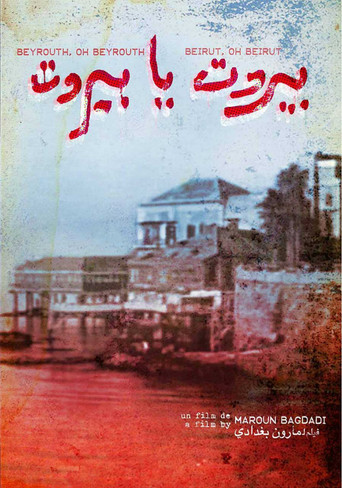
Beirut, Oh Beirut
In the aftermath of the 1967 defeat, four young Lebanese try to figure out their places in a society whose rules seem to have changed. It proved to be an extraordinary anticipation of the civil war that would engulf the country while the film was being edited.
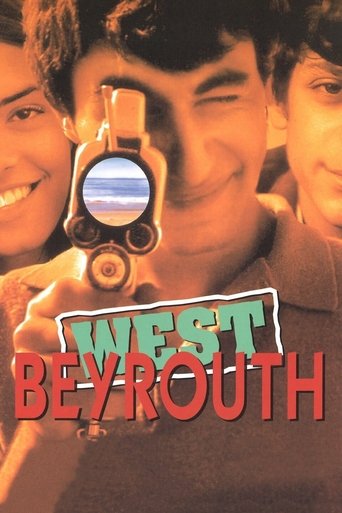
West Beirut
In 1975, the long slog of civil war has recently begun in Beirut. Two friends, Tarek and Omar, suffer during the Lebanese civil war. Conflicts arise when they decide to cross from West to East, crossing the Muslim-Christian line that divides Beirut.
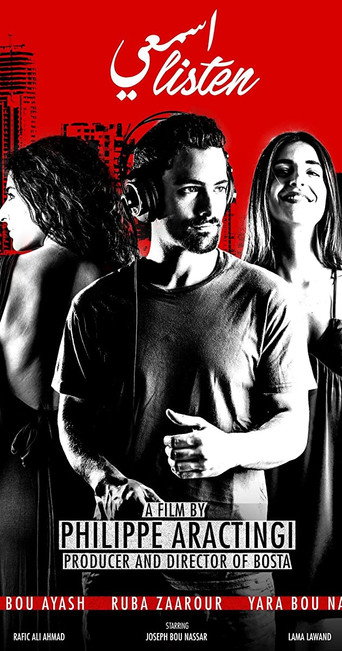
Listen
Despite living in a doomed country that hangs by a thread, Joud, a handsome sound engineer meets and falls in love with strong and free-spirited Rana. The young lovers, from completely different social and religious backgrounds, are drawn closer to each other, but a drastic turn of events gets between them and Rana suddenly slips away. As her parents forbid Joud from seeing her, the young man determined to see her again, finds new means of communicating with her by convincing Marwa, her sister, to download his voice messages and secretly play them to Rana
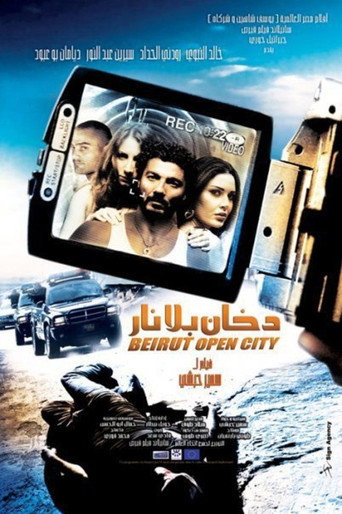
Smoke Without Fire
In Post-War Lebanon, after Taif Accord in 1989, and the Syrians withdrawal from Lebanon,seemingly disconnected at first, the stories reveal an interconnection, particularly with an Egyptian director seeking societal freedom in Beirut falls victim to its repression.
Cinema of War in Lebanon
In 1975, the Lebanese wars started when Maroun Bagdadi ended his first feature film "Beirutya Beirut". Did the war give an identity to Lebanese cinema? Productions of documentaries, action movies, actor films, co-productions, and emigration. Since 1975, the war has remained a major subject for feature fiIms shot in Lebanon. This is a history of stories about war and cinema.
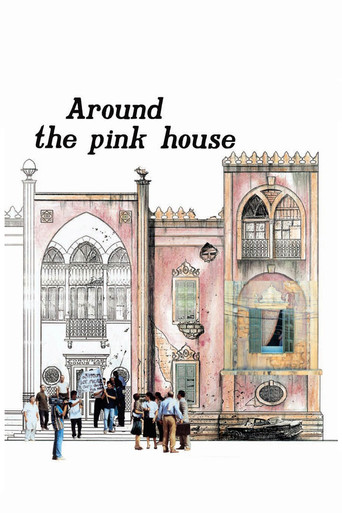
Around the Pink House
One of the most popular Lebanese films of the late 1990s, Around the Pink House is a story that explores the changing urban landscape of Beirut after the Civil War. La maison rose (the pink house) is an old mansion in Beirut where the Nawfal family found shelter during the Civil War. Unfortunately for them, their immediate environment is rapidly changing, as many of the old shell-ridden buildings are being torn down and replaced by new construction projects. When Mattar, the owner of the pink house, decides to sell it to make room for a large commercial centre, the residents of the neighbourhood become divided between the shopkeepers and businessmen in favour of a different kind of modernity.