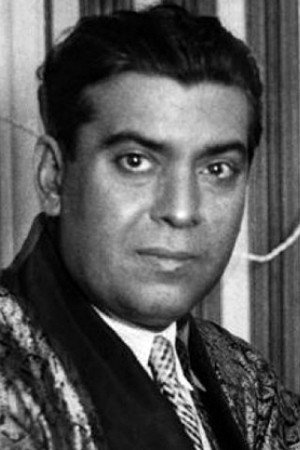
José Padilla Movies, TV Shows, and Filmography
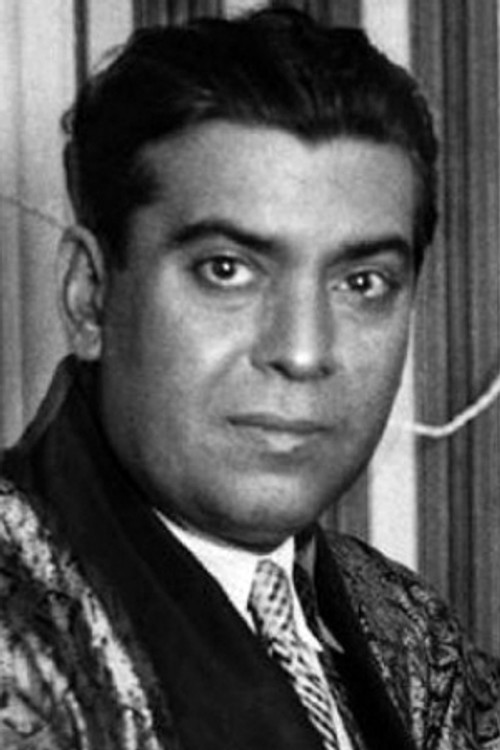
José Padilla
Sound
Biography
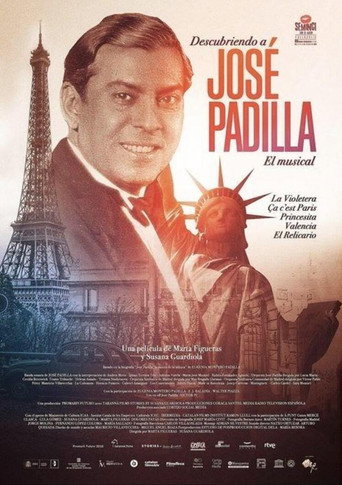
José Padilla Sánchez (28 May 1889 in Almería – 25 October 1960 in Madrid), popularly known as Maestro Padilla was a famous Spanish composer and pianist. He was best known for the songs La Violetera and El Relicario, popularized by cuplé singer Raquel Meller, and the pasodoble song Valencia. He became famous in France as he composed songs for the Moulin Rouge, like Ça c'est Paris. La Violetera was adapted by Charlie Chaplin for the soundtrack of City Lights (1931). José Padilla Sánchez was born in Almería in 1889. He took his first music lessons from Almería´s Municipal Band director and at fourteen he produced his first written music sheet titled Las dos palomas. By the time he lived in Madrid, he attended the Real Conservatorio de Música y Declamación. Also, he became acquainted with remarcable Zarzuela composers such as Tomás Bretón, Gerónimo Giménez y Amadeo Vives. At 23 he moves Barcelona and from there to Buenos Aires and works as director for the Úrsula López Band. Later on he moved back to Barcelona and composed his popular El Relicario and La violetera. Next he moves to Paris and his works are performed in the Folies Bergere and Moulin Rouge music halls where his Ça c´est Paris sung by Mistinguett becomes very popular. In 1928 he signed a 25 million franc contract to travel to Argentina. There he produced works with Carlos Gardel. In 1949, al 60 returns to Madrid to a house that, after his death in 1960 held his museum. There is a conmemorative plaque in his Paris residence. Also, in 1992 the Maestro Padilla Auditorium was built in home town Almería. There is a garden named Jardín Maestro Padilla in the Arganzuela district of Madrid. Source: Article "José Padilla (composer)" from Wikipedia in English, licensed under CC-BY-SA 3.0.
Filmography Movies
Production

Chaplin
An aged Charlie Chaplin narrates his life to his autobiography's editor, including his rise to wealth and comedic fame from poverty, his turbulent personal life and his run-ins with the FBI.
Rolling Sea
"Rolling Sea" - After a longer stay at the hospital, the young Martin comes to Gothenburg and notice that his fiancee Sonja has met another man.
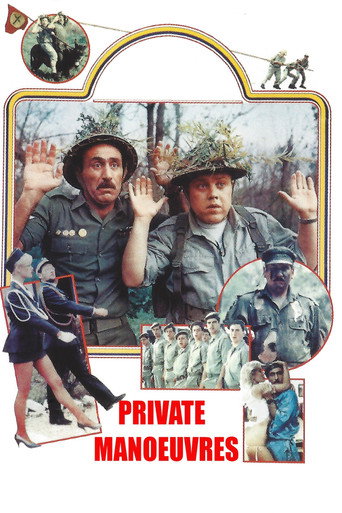
Private Manoeuvres
A spin-off film that centers around Yudale/Huey's mandatory Israeli army service, post boot camp. This time he helps his sergeant Shemesh beat a rival base, while also beating him to score with the visiting Swiss Ambassador's wife.

Folies Bergère
Alternate-language French version of Folies Bergère de Paris (1935).

Chaplin Today: City Lights
In 1928, as the talkies threw the film industry and film language into turmoil, Chaplin decided that his Tramp character would not be heard. City Lights would not be a talking picture, but it would have a soundtrack. Chaplin personally composed a musical score and sound effects for the picture. With Peter Lord, the famous co-creator of Chicken Run and Wallace & Gromit, we see how Chaplin became the king of slapstick comedy and the superstar of the movies.

Scent of a Woman
Charlie Simms is a student at a private preparatory school who comes from a poor family. To earn the money for his flight home to Gresham, Oregon for Christmas, Charlie takes a job over Thanksgiving looking after retired U.S. Army officer Lieutenant Colonel Frank Slade, a cantankerous middle-aged man who lives with his niece and her family.
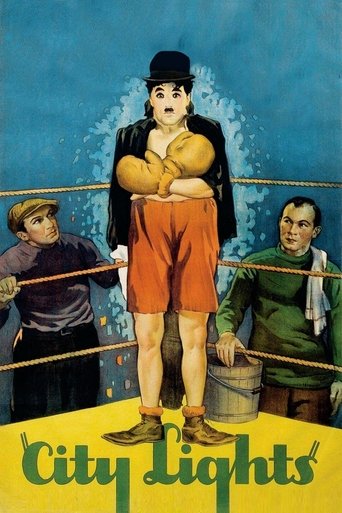
City Lights
A tramp falls in love with a beautiful blind flower girl. His on-and-off friendship with a wealthy man allows him to be the girl's benefactor and suitor.

Land of Milk and Honey
Pierre Etaix’s most radical film, and perhaps unsurprisingly the one that effectively ended his career in cinema, Land of Milk and Honey is a fascinating investigative documentary about post–May ’68 French society.
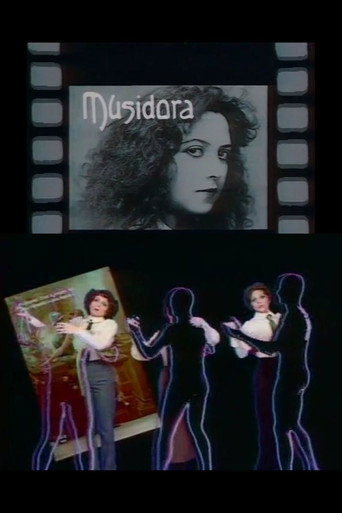
Musidora
Jean-Christophe Averty, a French television director and video artist pioneeer, retraces here the life story of Musidora, known for her signature role in the adventure serial.

Blaze
All of Europe was affected by the Great Depression of the 1930s, but some parts were hurt less badly than others. France, for instance, was relatively prosperous. In this grim drama, a sturdy Polish boxer and his family have settled into a mining town in northern France because that's where the work is. Like European "guest workers" in the 1990s, the Polish immigrants then were frequently treated badly by the locals. In this drama, the romantic aspirations of the boxer's son are thwarted by the concerted efforts of the local men and his own family's preference that he marry another Polish girl. After his romance fails, the son becomes a union activist and sacrifices a great deal to try to gain higher wages for the miners, but the contract he works out is reneged on by the duplicitous owners.
Gallery