Directing
No biography available.
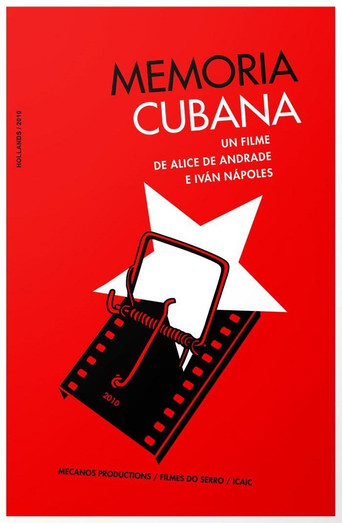
Through the files of Cuban cinema news program Noticieros ICAIC Latinoamericanos, the documentary shows the most relevant events of the second half of the 20th century as seen by the documentary filmmakers of the island. During three decades and under the general direction of Santiago Álvarez, these moviemakers witnessed almost everything: from the shivers of the Cold War to Bola de Nieve's piano solos; from the discovery of the killing fields in Cambodia to the Carnation Revolution in Portugal. In 2009, the original negatives of Noticieros ICAIC Latinoamericanos were declared part of the "world memory" by UNESCO.
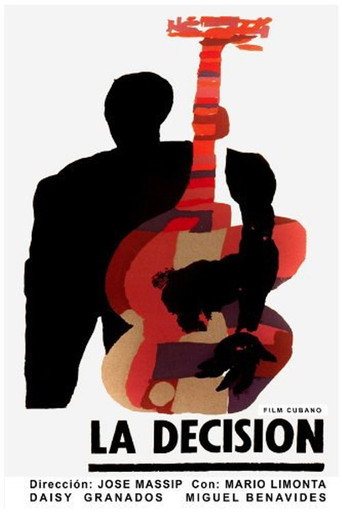
Santiago de Cuba, 1956. Pablo, a young mulatto with a deep poetic sensibility, studies at the university. He loves María, who, despite her parents' wealthy position, is not accepted in high society because of the color of her skin.
This short documentary describes the process and inspiration behind the creation and performance of a new Cuban ballet based on Afro-Cuban traditions and beliefs.
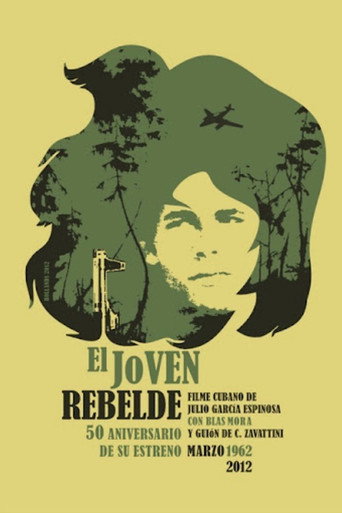
Pedro is a young peasant who leaves home to join the Rebel Army, based in Sierra Maestra.
The film is based on the historical event known as the Protest of Baraguá.
A humorous report on the 17th World Chess Olympiad, held in Havana in 1966: the preparations, the public’s interest, facial expressions, nervous grimaces and the gestures of the great masters.
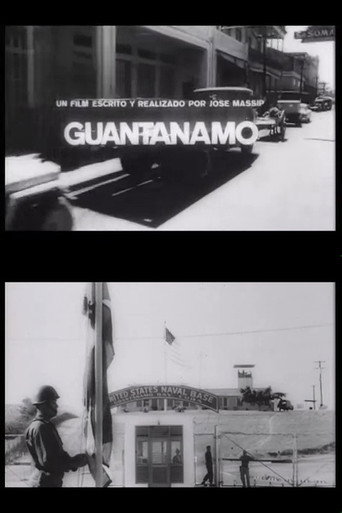
Guantánamo shows the history of the town, subjected to the influence of the neighboring American naval base, and its transformation after the triumph of the revolution.
Documentary that portrays the life of a coal-mining town south of Havana, around 1955, prior to the triumph of the revolution.