Acting
No biography available.
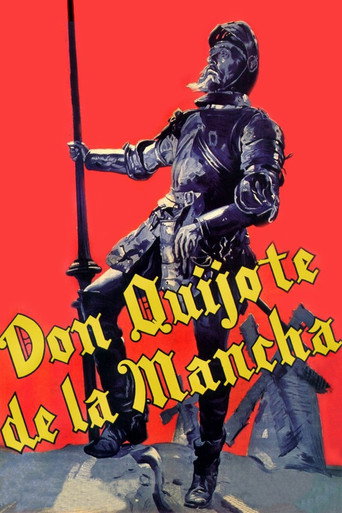
The old hidalgo Don Alonso Quijano, maddened by the excessive reading of books on chivalry and determined to become a famous and heroic knight-errant, leaves his village and sets out on the road in search of adventure, accompanied by his faithful friend Sancho Panza.
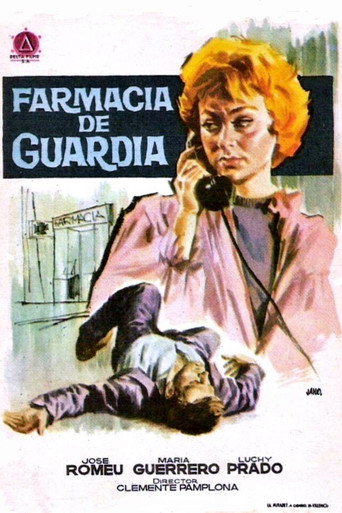
A Pharmacy on night duty is the location for all kinds of episodes that one might imagine to happen in any night in Spain in the fifties.
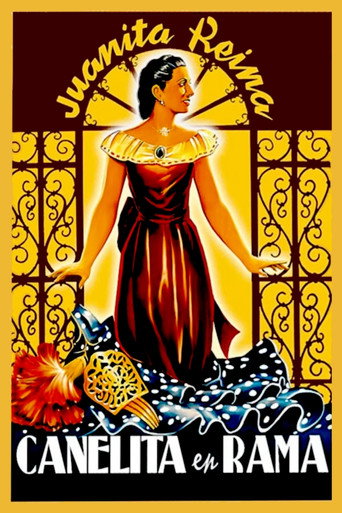
A rich Andalusian knight, Don Juan, had relations with a gypsy and a daughter. On the death of the mother, Don Juan hosted the girl at home and raised her like a lady, far from the customs and traditions of Roma. Don Juan has another son, this legitimate, who was educated abroad and upon return, unaware of the blood ties which unite them, falls for his sister. The father is opposed to this relationship, but the gypsy relatives discover that the girl is his daughter.
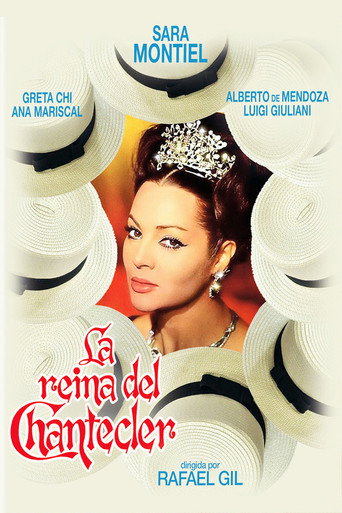
A Spanish music hall performer gets caught up in espionage during the First World War.
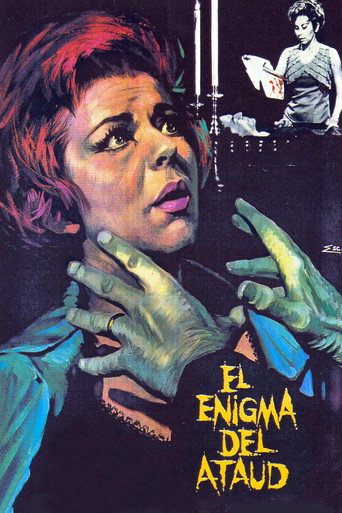
A doctor invites his relatives to his castle, all the while planning to murder them when they arrive. However, when he himself is murdered, the relatives know they have to find the killer before he gets all of them.
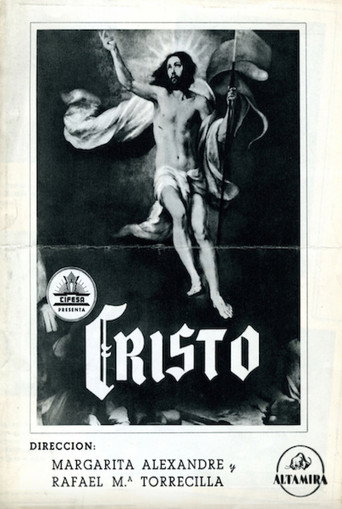
Cristo is the first feature film directed and produced by Margarita Alexandre and Rafael Torrecilla. Evoking the work of Luciano Emmer, this art documentary tells the story of the life of Jesus using only Spanish paintings. In close harmony with the montage, the photographic technique used by Juan Mariné for the filming gives movement to the paintings by Titian, El Greco and Rubens, while the presence of the voices of Fernando Rey, José María Seoane, María Jesús Valdés and other actors of the period give the characters a sense of entity. The film received the category of National Interest from the Censorship Board, undoubtedly more inspired by the film’s exaltation of the national artistic heritage and its religious subject matter than by its artistic aspirations.
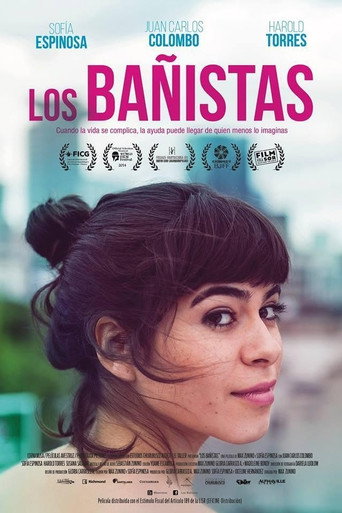
The economy has collapsed. In a universe of moral and economic impoverishment, we find Flavia, a spoiled teenager with artistic aspirations that are somewhat frustrated when she is not accepted at the University. Her neighbor Martin, a mature man with rigid routines, is her antipode. When Flavia meets Martin, there are sparks of friction at all times, and the situation is unlikely to get any better.
Father Carlos, a Basque priest, decides to leave voluntarily as a missionary to a village lost in the Philippines. From the first moment, their biggest aspiration would be to reconstruct an ancient mission. But to do so, he will have to face numerous difficulties.
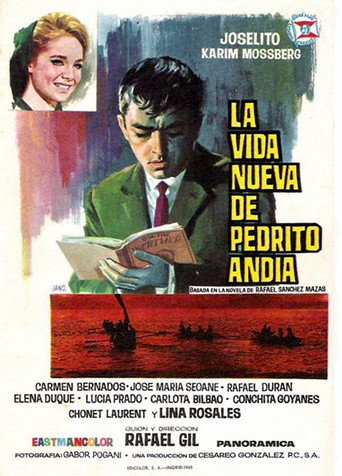
Pedrito de Andia is an adolescent self-conscious about his height something that, in love with his childhood friend, Isabel, goes to port forward to receive her after a long stay abroad. However, when he sees his friend turned into a slender woman, the boy feels dwarfed and, indeed, when he receives a snub by refusing a dance, preferring a more attractive guy with whom Pedrito fight. This scandal ends in punishment and he is sent to Andia, his town, to think. He agrees with the hope that one day she recognize love beyond appearances.
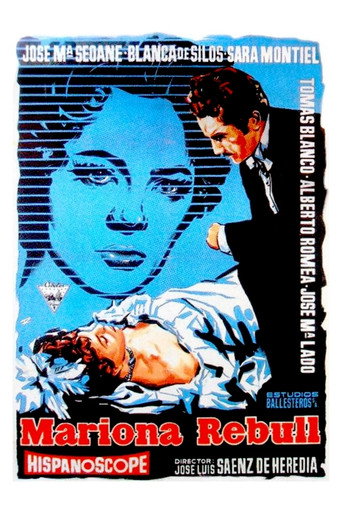
Barcelona, Spain, at the end of the 19th century. Joaquín Rius, a prominent businessman, marries the young Mariona Rebull. Their apparent happiness is overshadowed by the arrival of Ernesto Villar, Joaquín's friend and Mariona's former lover.