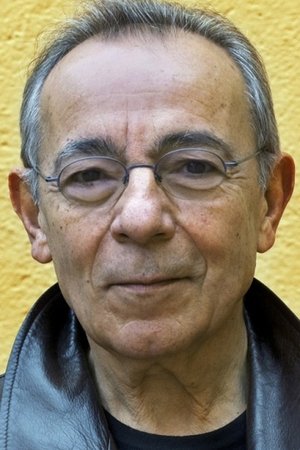
José Luis Gómez Movies, TV Shows, and Filmography
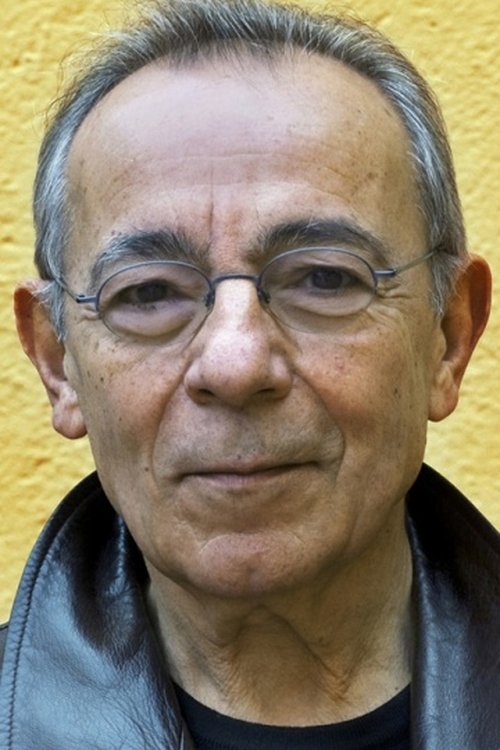
José Luis Gómez
Acting
Biography
José Luis Gómez García (Huelva, 19 April 1940) is a Spanish actor and theater director. He is a member of the Real Academia Española and honorary member of the Academia de las Artes Escénicas de España. He graduated from the Institute of Dramatic Art of Westphalia, in Bochum, and at the school of Jacques Lecoq, in Paris. He has appeared in many films since 1968. At the 1976 Cannes Film Festival, he won the award for Best Actor in the film Pascual Duarte.
Filmography Movies
Acting

Broken Embraces
Harry Caine, a blind writer, reaches this moment in time when he has to heal his wounds from 14 years back. He was then still known by his real name, Mateo Blanco, and directing his last movie.
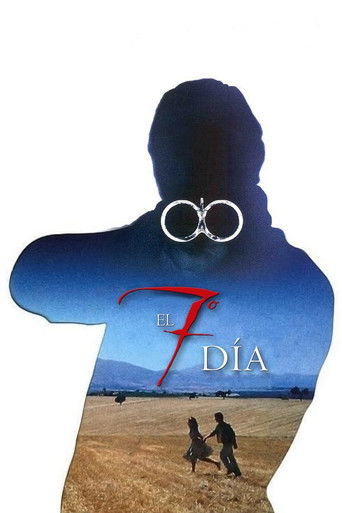
The 7th Day
Isabel Jimenez is a teenager witnessing a horrible feud between her own family and the Fuentes family, a feud involving broken hearts, property disputes and a mysterious fire that destroyed the Fuentes house. Isabel's uncle is murdered by Jeronimo Fuentes, who later tries to stab her father. After Jeronimo dies in jail, Isabel must look outside of her family for the truth, learning from the village idiot that her father may have set fire to the Fuentes home.
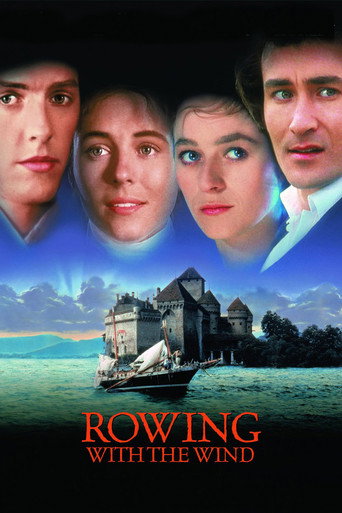
Rowing with the Wind
In the summer of 1816, Percy Shelley, his mistress Mary, and her stepsister Claire visit Lord Byron at Lake Geneva. Byron challenges each to write a horror story, and Mary begins her novel, Frankenstein. She imagines the monster becoming real, and for the next six years, as tragedy befalls those around her, she believes the personification of her imagination is the cause. Against this backdrop, Claire has Byron's baby then is estranged from him and barred from her daughter. Byron and Percy continue their friendship, the one self-centered and decadent, the other wildly idealistic. The Shelleys take up residence near Pisa.
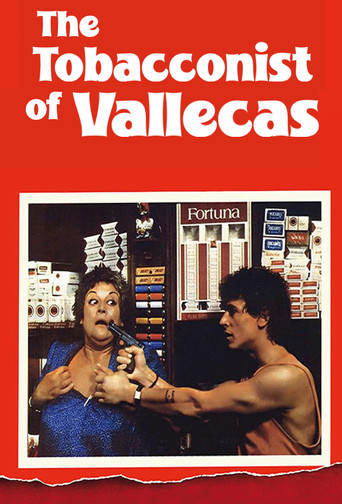
The Tobacconist of Vallecas
Leandro, an unemployed mason and his friend, Tocho, attempt to rob a tobacconist in the Vallecas district of Madrid, but Mrs. Justa, the tobacconist, impedes it alerting the neighbors who notify police. Inside the shop, the confrontation between the two friends and their 'hostages', the tobacconist and her niece Angeles, is relaxing, and a budding sympathy arises between them.
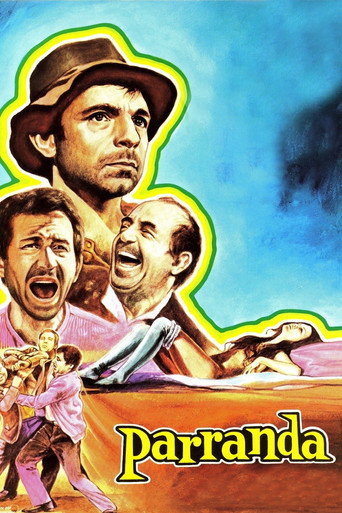
Parranda
Cebrian, a blast furnace worker Asturian, being held at the Civil Guard barracks. There has to be accountable for the disasters in a day of party with two friends.
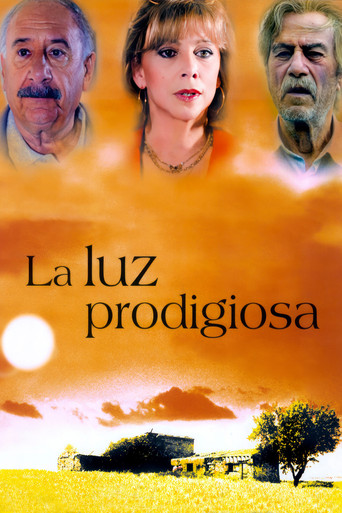
The End of a Mystery
Joaquin comes back to Granada in the eighties trying to find out about something happened when he was a child and the Spanish Civil War was going on. He helped an unknown man who survived after being executed. He finds the man, Galapago, who is now quite old, poor and with almost no memory. Joaquin takes care of him and finds hints that point to Galapago as Federico García Lorca.

Blindfolded Eyes
A drama teacher casts a woman in a play about torture, and the two eventually become lovers. As production of the play develops, the director begins to receive threatening letters.
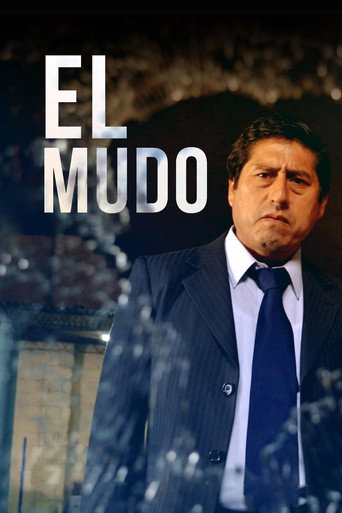
El mudo
Constantino Zegarra is a principled Peruvian government official who stands apart from his corrupt colleagues. Throughout his two-decade career, he has steadfastly resisted corruption, driven by the memory of his father's impoverished end due to corruption. At forty, he is a dedicated family man with a teenage daughter who challenges his views. One morning, he survives a gunshot to the throat, rendering him mute. Upon recovery, he is certain that someone from his office attempted to kill him.
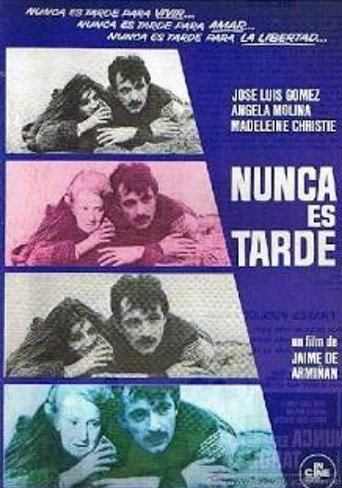
Nunca es tarde
Antonio and Teresa are a couple who live in a flat in San Sebastian. Ursula Michelena, an elderly woman over 70 years old, lives on the top floor. Ursula is secretly in love with Antonio, whom he continually spies from one of the windows of her house. One night she sees Antonio and Teresa making love and that fact excites her violently, in such a way that she asks Antonio for a secret appointment and tells her that she is pregnant and that the son she is waiting for is his. Úrsula, according to her version, has become pregnant looking at Antonio and Teresa making love.
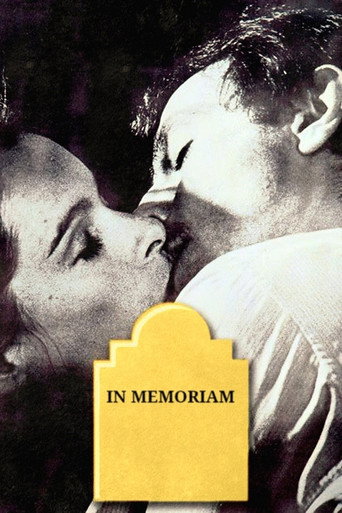
In Memoriam
In an anguished triangle of silences and unspoken words, a man secretly loves a woman who loves another man.
Production
Hécuba: un sueño de pasión
What we tend to identify with the acting profession has little to do with what is really this profession. Thirty-six Spanish actors reflect on their work and contrasted their experiences. As thread, the contrast between the voices of veterans and images of young theater students , for whom everything is still possible. Among the many actors are interviewed Javier Bardem, Antonio Banderas, Victoria Abril, Carmen Maura, Fernando Fernán Gómez, José Luis López Vázquez, José Coronado, Emma Suarez, Alberto San Juan, Ariadna Gil, Ana Belén, Pilar Lopez de Ayala and many other.
Organic Heart
Before eating it, I do another artistic thing with Swiss chard.
Gallery