Joris Ivens Movies, TV Shows, and Filmography
Joris Ivens
Directing
Biography
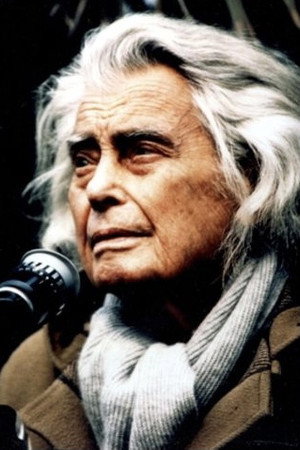
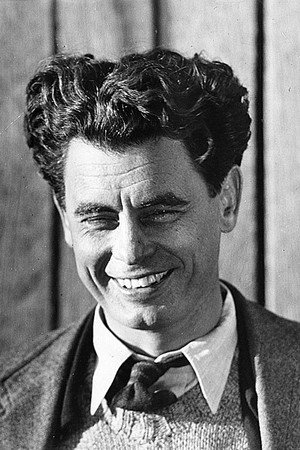
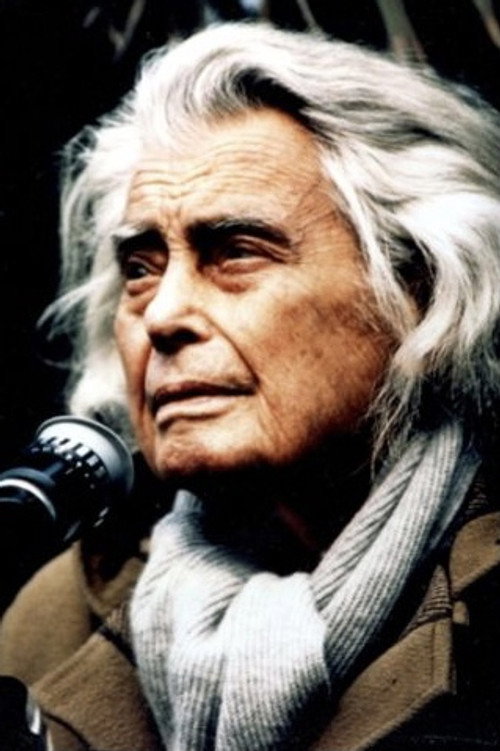
The filmmaker Joris Ivens was the son of C.A.P. Ivens, owner of the CAPI photography shop in Nijmegen. With the help of his father’s employees, in the 1910s the young Joris Ivens made the short film De wigwam, with roles for his parents, brothers, and sisters. Ivens studied economics and photography. From the end of the 1920s, he was one of the vital figures in the world of Dutch avant-garde film. As a technical consultant, he was involved with the Filmliga, and made important avant-garde films like De brug and Regen. He also founded the film company Studio Joris Ivens, where young, enthusiastic filmmakers could find a home. The Studio was the cradle of experimental film in the early 1930s. Ivens developed into a political filmmaker, and with films like Borinage, Spanish Earth, and Indonesia Calling!, he grew into a leading documentary filmmaker.
Filmography Movies
Acting
Havre
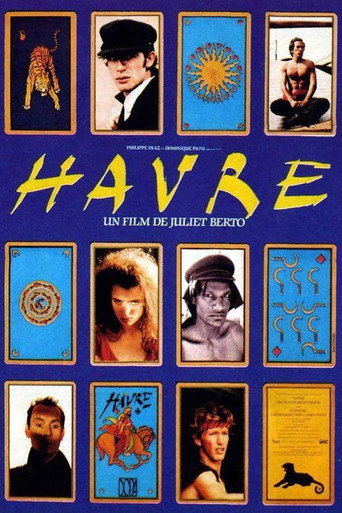
Lili lives near the port of Le Havre. She is mourning her lover Pablo, who died leaving unfinished a video game he was developing for a Japanese trust. A young boy decides to take over the project, while Lili, guided by a mysterious figure called Doctor Digitalis, struggles with her grief and searches for meaning in his absence. The film blends reality and dreamlike visions against the backdrop of the docks and port landscapes.
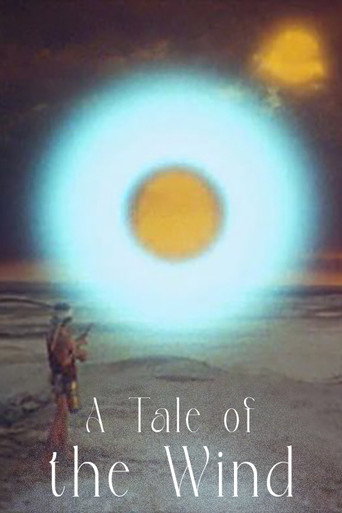
A Tale of the Wind
It is an autobiographical fiction starring Ivens as an old man who has spent his life trying to "tame the wind and harness the sea" by capturing them on film.
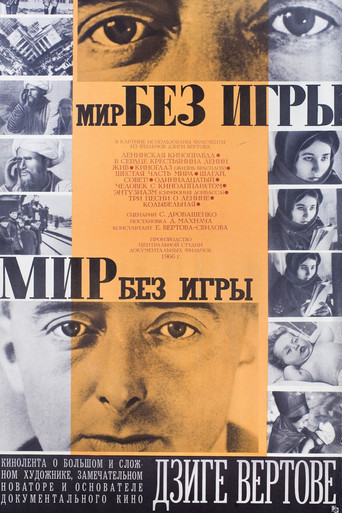
World Without a Game
Documentary portrait of Dziga Vertov, father of documentary cinema.
Een oude vriend van het Chinese volk
The Dutch documentary filmmaker Joris Ivens (1898-1989) received the honorary title 'Old friend of the Chinese people' from the Chinese communist regime. One of the reasons was the fact that in 1938 he gave the communists the camera that captured the first footage of Mao Zedong. Ivens made several films about China, notably the twelve-hour picture Hoe Yukong de bergen verzette (How Yukong Moved the Mountains), a tribute to Mao's Cultural Revolution, which China itself called a 'catastrophe' shortly after. Actor Jeroen Willems follows in Ivens' footsteps, in an attempt to understand why Ivens never reconsidered his positive coverage.
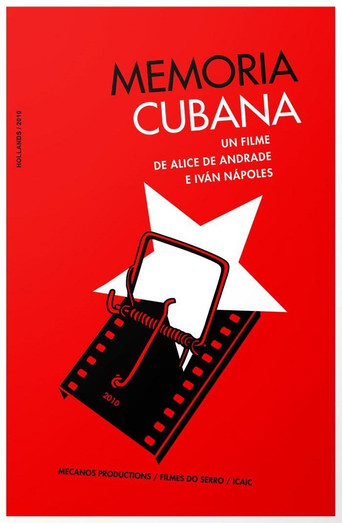
Memória Cubana
Through the files of Cuban cinema news program Noticieros ICAIC Latinoamericanos, the documentary shows the most relevant events of the second half of the 20th century as seen by the documentary filmmakers of the island. During three decades and under the general direction of Santiago Álvarez, these moviemakers witnessed almost everything: from the shivers of the Cold War to Bola de Nieve's piano solos; from the discovery of the killing fields in Cambodia to the Carnation Revolution in Portugal. In 2009, the original negatives of Noticieros ICAIC Latinoamericanos were declared part of the "world memory" by UNESCO.
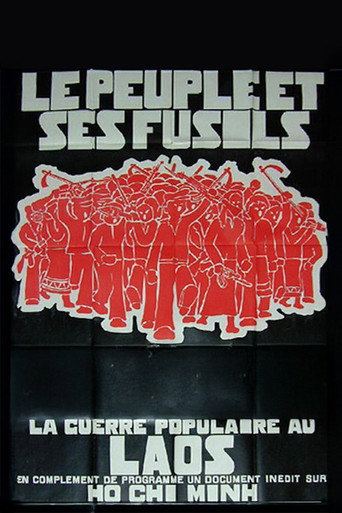
The People and Their Guns
Filmed in Laos in 1968, this four-part documentary examines the armed struggle against foreign intervention during the Indochina conflicts. The film focuses on the relationship between the population and guerrilla forces engaged in the war.
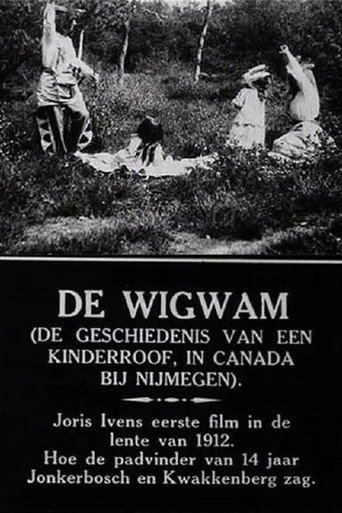
The Flaming Arrow
At the age of 14 Joris Ivens was fond of Cowboys and Indians stories, so he decided to invent one himself. He made a script and used a camera from his father's shop. This became his first film, Wigwam, with his own family as cast. Black Eagle, a bad Indian, kidnaps the daughter of a farmer's family. Flaming Arrow, played by the young director, saves the child from the kidnapper and brings her back to her family. No better conclusion than smoking a peace pipe. Although filmed in the spring of 1912, the film had a theatrical release in December 1915.
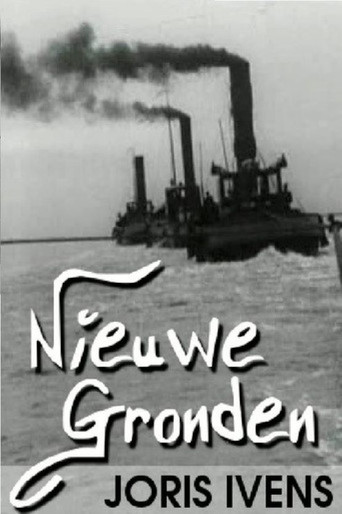
New Earth
The film is a documentary portraying a struggle as man tries to subdue nature. To prevent flooding and for purposes of land reclamation, the people of the Netherlands struggle and succeed in building a breaker, thereby eliminating the wild inland body of water once known as the Zuider Zee (now called Ijsselmeer).
Ciné-mafia
Three pioneers of documentary filmmaking – Joris Ivens, Henri Storck, and the man behind the camera, Jean Rouch – recall the early days of the documentary genre and speak about their creative methods and sources of inspiration. This lively discussion between the directors is shot in cinéma vérité style and spliced with footage from their older films.
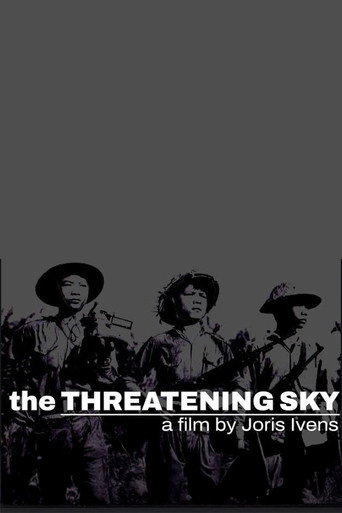
The Threatening Sky
This documentary presents the Vietnam War as seen from within Vietnam, focusing on civilian life, industrial and agricultural labor, and organized resistance under sustained aerial bombardment. Introduced by Bertrand Russell, the film situates the conflict within a broader history of anti-occupation struggles, drawing parallels to World War II resistance movements. Footage includes interviews with Vietnamese leaders, scenes of air defense, and mass political mobilization.
Production

We Are Building
Documentary celebrating the 10th anniversary of the General Dutch Construction Workers Union, providing a multifaceted view of the union and depicting the many construction activities of its members. Some parts were also shown separately.
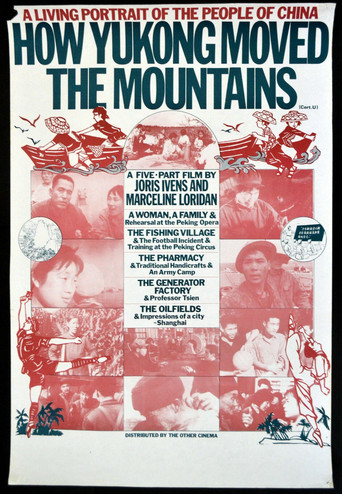
How Yukong Moved the Mountains
From 1972 until 1974, Joris Ivens and Marceline Loridan, along with a Chinese film crew, documented the last days of the Cultural Revolution, marking the end of an era. The vast amount of footage they shot was edited into 14 films of varying lengths. Focusing on ordinary people spread over a wide geographic area—many of whom were living and working in collectives—the filmmakers recorded a unique moment in history, and also captured some of the more enduring aspects of Chinese culture.
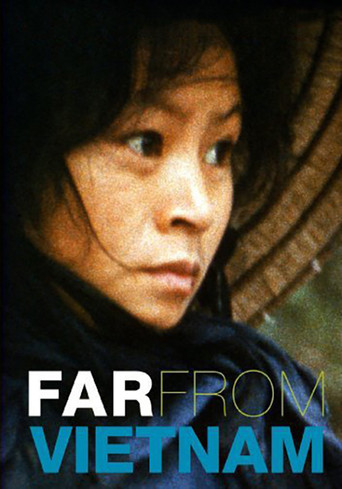
Far from Vietnam
In seven different parts, Godard, Ivens, Klein, Lelouch, Marker, Resnais, and Varda show their sympathy for the North-Vietnamese army during the Vietnam War.
The Football Incident
A César award winning documentary about a high school in Beijing where a student throws a ball in the direction of the teacher who had just asked them to stop playing. The class then meets to discuss this problem.
The 17th Parallel
On the border of North and South Vietnam, civilians live underground and cultivate their land in the dead of night, farmers take up arms, and bombs fall like clockwork. Joris Ivens and Marceline Loridan’s record of daily life in one of the most volatile regions of a war-torn, divided country is both a hazardous piece of first-hand journalism and a shattering work in its own right, simmering with barely repressed anger.
A Tale of the Wind
It is an autobiographical fiction starring Ivens as an old man who has spent his life trying to "tame the wind and harness the sea" by capturing them on film.
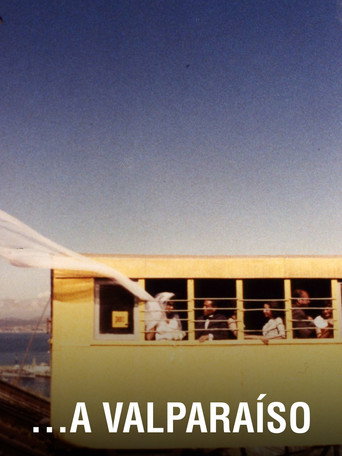
Valparaiso
In 1962 Joris Ivens was invited to Chile for teaching and filmmaking. Together with students he made …A Valparaíso, one of his most poetic films. Contrasting the prestigious history of the seaport with the present the film sketches a portrait of the city, built on 42 hills, with its wealth and poverty, its daily life on the streets, the stairs, the rack railways and in the bars. Although the port has lost its importance, the rich past is still present in the impoverished city. The film echoes this ambiguous situation in its dialectical poetic style, interweaving the daily life reality (of 1963) with the history of the city and changing from black and white to colour, finally leaving us with hopeful perspective for the children who are playing on the stairs and hills of this beautiful town.
We Are Building
Documentary celebrating the 10th anniversary of the General Dutch Construction Workers Union, providing a multifaceted view of the union and depicting the many construction activities of its members. Some parts were also shown separately.
We Are Building
Documentary celebrating the 10th anniversary of the General Dutch Construction Workers Union, providing a multifaceted view of the union and depicting the many construction activities of its members. Some parts were also shown separately.
Creosote
Commissioned film for the Continental Commission for the Propagation of Creosote Oil about extraction and application of creosote oil (carboleum), a preservative distilled from coal tar that protects wood from fungi and insects. Footage was shot in Poland, the Port of Danzig, in Germany, Belgium, France and the Netherlands.
Gallery