Directing
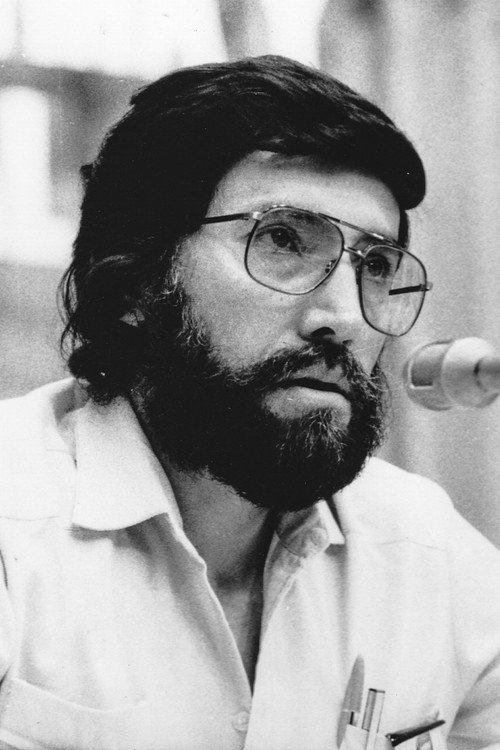
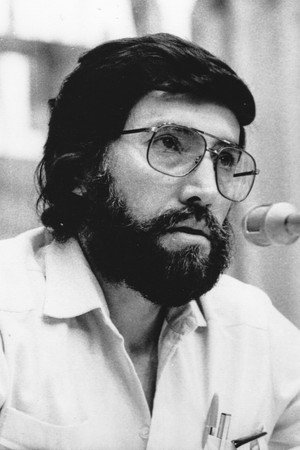
Jorge Sanjinés (born 31 July 1936 in La Paz, Bolivia) is a Bolivian film director and screenwriter. He founded the production group Grupo Ukamau. He won the ALBA Prize for Arts in 2009.
This file addresses the work of the emblematic Bolivian filmmaker Jorge Sanjinés, investigating the creative aspects of this director who knew how to create his own language and aesthetics consistent with the Andean worldview. His work is an insight into that collectivist world that brings us closer in a sensitive way to the soul of Bolivian society. It is a call to attention to the whole of society regarding the cultural values of the indigenous majorities. Consistent with his discourse, Jorge Sanjinés is a director who has strived to make communicable, reflective, critical and beautiful cinema that has survived censorship, persecution and exile, bringing to the continent and the world all the richness of an unmissable work.
Based on an unpublished novel by Jorge Sanjinés
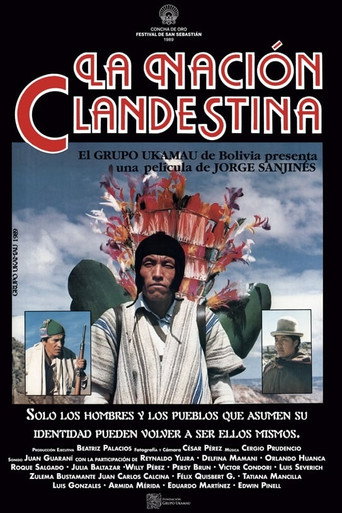
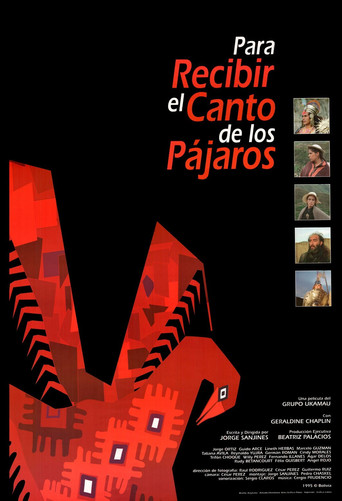
Sebastian Mamani returns to his Aymara community from which he was expelled long ago. He is carrying the great mask of death, he must dance 'til death.
A community reacts against a group of foreigners who under the guise of development assistance are forcibly sterilizing the peasant women.
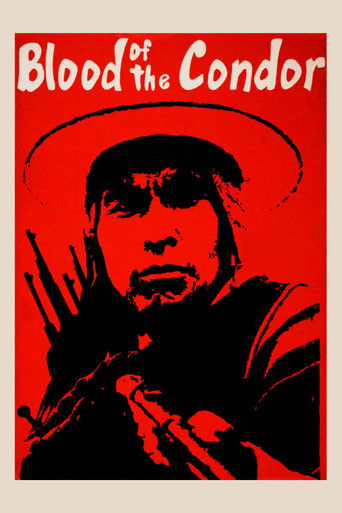
In the remote Andean highlands of Peru, a tight-knit indigenous peasant community has endured generations of brutal exploitation by local landowners. When a shocking act of violence exposes the complete failure of the official justice system to protect them, the villagers’ simmering anger pushes them toward a crossroads.
While her husband is on his way to the market, a peasant woman is raped and murdered. Her widower carefully plans his revenge.
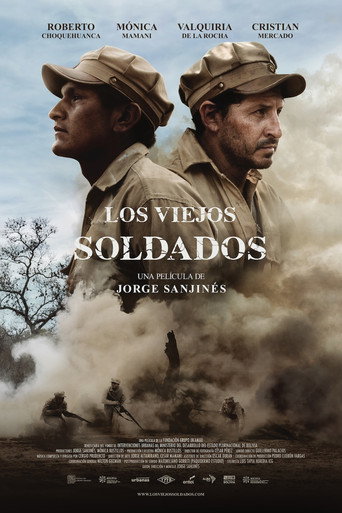
Bolivian drama that serves as a plea for tolerance of cultural diversity in that country.
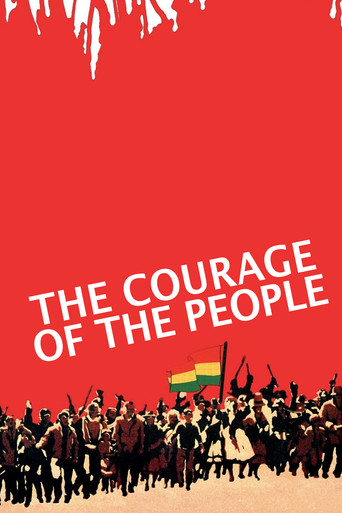
A documentary reenactment of the government-ordered massacre of striking tin miners and their families at the Siglo XX Mines in 1967 in Bolivia.
Documentary that offers a great overview of the history of Bolivia, their misery, the popular indomitable spirit and repressions that occur without pause.
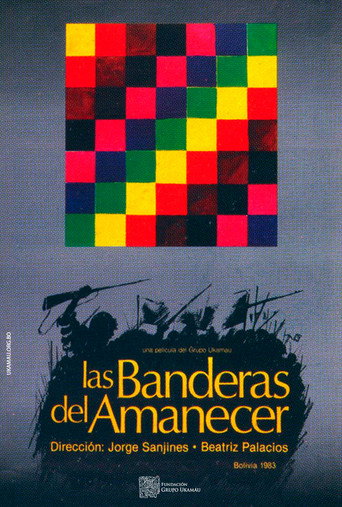
carefully reconstructs the events in Bolivia between 1979 and 1982. Dark years. Speaking of Alberto Natush's coup d'etat, the massacre of Todos Santos, the murders of Luis Espinal and Marcelo Quiroga Santa Cruz, the worker, peasant and student mobilizations, García Meza Tejada's coup d'etat and the return to the democratic process.