Acting
No biography available.
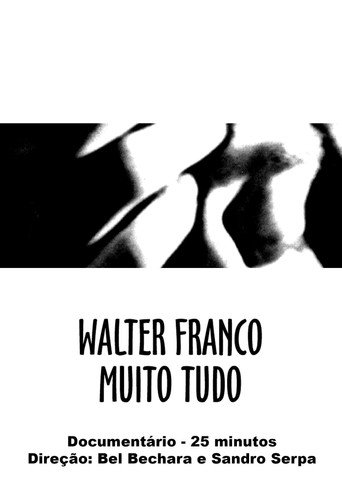
Poetic documentary about brazilian musician Walter Franco.
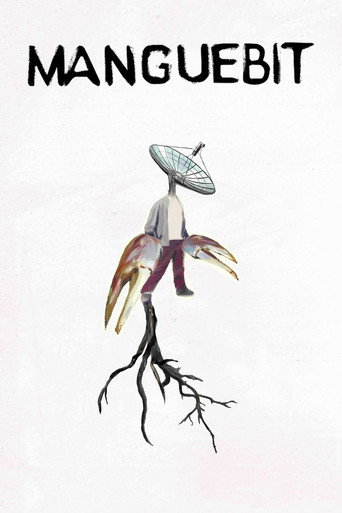
Mangue Beat, a musical and aesthetic movement which emerged in Pernambuco in the 1990s, transformed the visibility of the peripheries and cultural manifestations of the metropolitan area of Recife and placed the state on the map of the world music market with the launching of bands like Chico Science and Nação Zumbi and Mundo Livre S.A. The film experiments with the freedomn of thought of the Mangue using a plural language, which brings togther ideias and ideals, refleting the daring which resulted in the great symbol of the movement: a satellite dish planted in the mud of the estuaries - the Mangue.
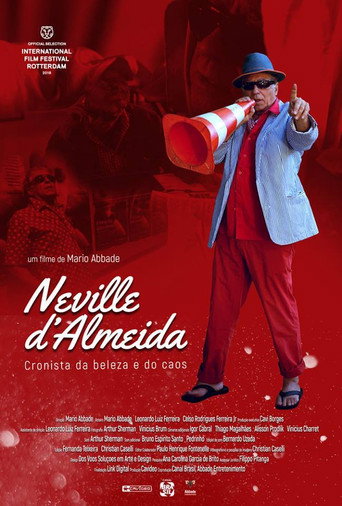
This film seeks to rescue the role of filmmaker Neville D'Almeida by using many rare images, numerous interviews, vast archival and audiovisual material.
Portrait of various figures in Brazilian pop music.
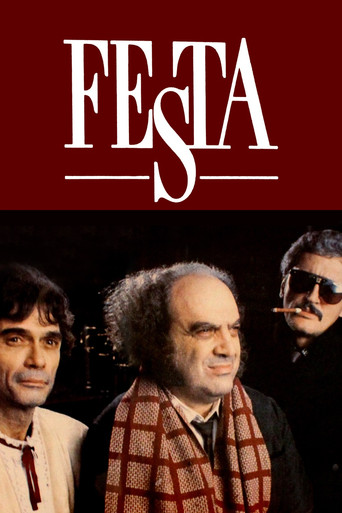
A harmonicist, a pool player, and his old assistant get invited as entertainers at a fancy dinner party but have to wait in the lobby for what seems like forever. They witness all sorts of absurdities as the party goes on and guests loosen up.
Carlos Drummond de Andrade's poetry is read by exponents of Brazilian culture, such as Chico Buarque, Caetano Veloso, Adriana Calcanhoto, Fernanda Torres, Marilia Pera, Antonio Cicero and others.
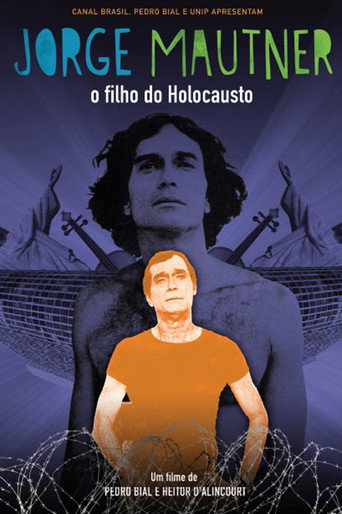
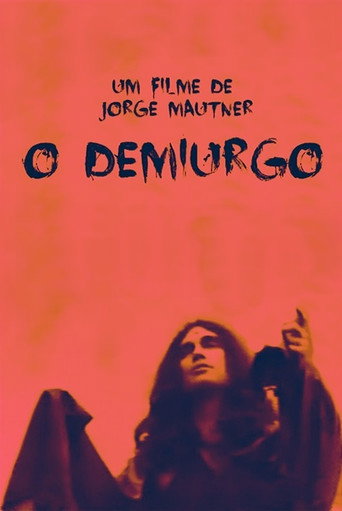
The film follows the birth of Jorge Mautner up to his 17 years. He was born in Brazil shortly after his parents fled the Holocaust. Raised by a nanny who introduced him to Candomblé, Mautner became a precursor of the Tropicália, contributing to the construction of the identity of Brazilian music.
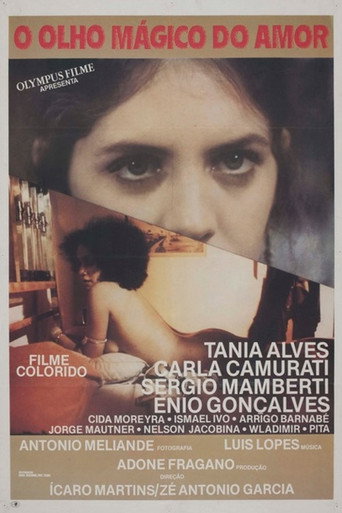
An innocent working girl finds a hole in her wall through which she can see the action in her neighboring apartment, where a prostitute meets her bizarre clients.
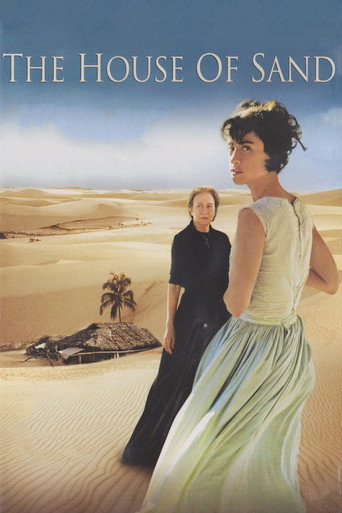
A woman is taken along with her mother in 1910 to a far-away desert by her husband, and after his passing, is forced to spend the next 59 years of her life hopelessly trying to escape it.
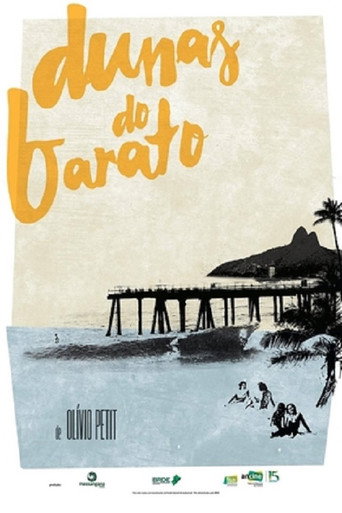
A rescue of the history of Ipanema beach in the 1970s, when the construction of a pier changed the landscape and created fertile soil for a generation of artists and sportsmen.
Edson is having an affair with actress Maria do Rosário, who dreams of being a movie director. So he tries to get some easy money for her film, but is arrested and meets a police torturer instead.
A colorful feature film that mixes exile with the figure of the poet Rimbaud and the feminist revolution. "It's super-intellectual. A fable-musical-philosophical-chanchada", Mautner says. He also affirms that the work focuses a lot on the longing for Brazil, on the will that the exiled had to return to their homeland. The idea came from conversations between the musician and his old father, "always talking about the pre-Socratics", he recalls. Glauber Rocha states that "The Demiurge" is the best film "of" and "about" exile.
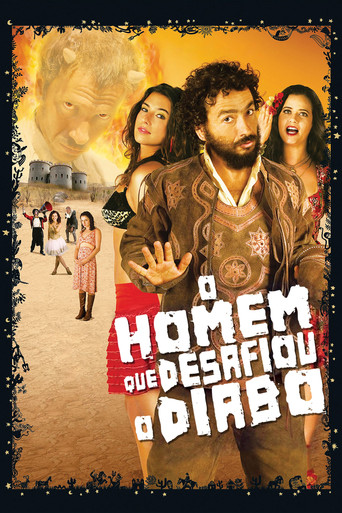
After being forced into a marriage and enduring a humiliating work routine in the hands of his father-in-law, Zé Araújo becomes the mythical Ojuara, an unconventional hero devoted to debauchery.
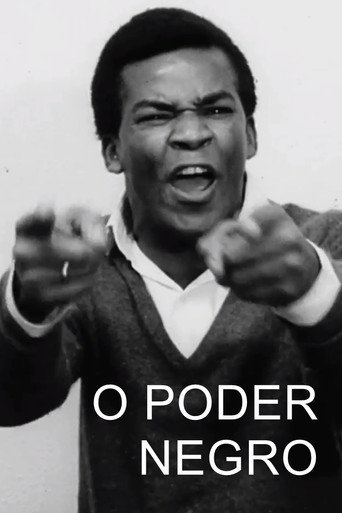
An excerpt from Neville D'Almeida's debut feature "Jardim de Guerra" (1968), focusing on the Black Power speech made by a character played by Antonio Pitanga.