Directing
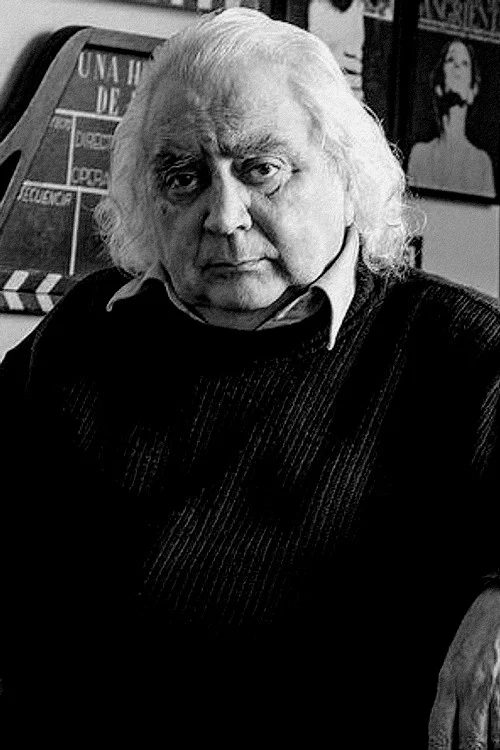
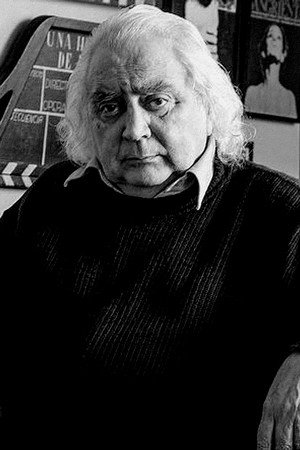
Jorge Grau Solá was a Spanish director, scriptwriter, playwright and painter.
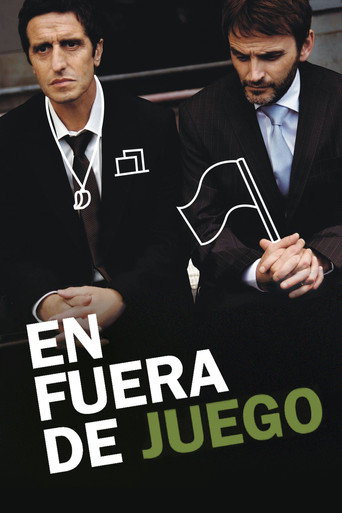
Diego, an Argentine doctor traumatized by the soccer since his childhood, is not satisfied with his life. Javi is a representative of kids who start playing soccer, a Spanish third division manager who dreams of an opportunity to change their fate. Suddenly, the discovery of a young Argentinian star, will join Diego and Javi in a common adventure, full of surprises and and picaresque.
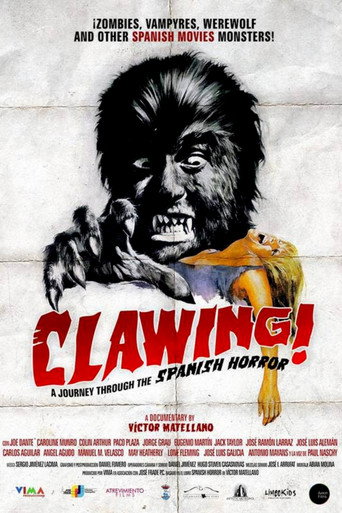
A feature-length documentary exploring the history of the Spanish zombie film.
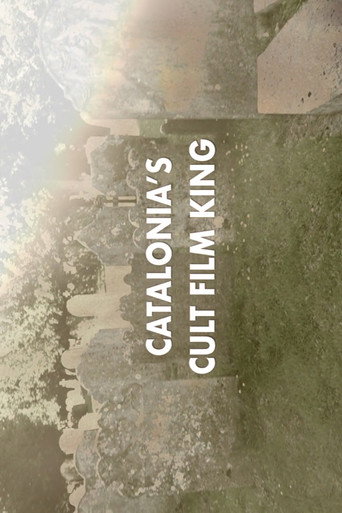
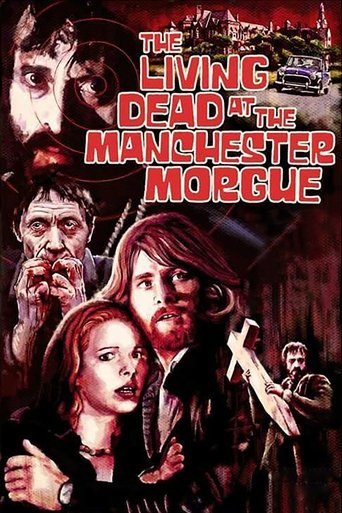
This is the first and only feature-length documentary on the life and cinema of the late Jorge Grau, who is most famous for his classic social-political horror masterpiece "Living Dead at Manchester Morgue" (1974), seen by some critics as a fierce critique of the Franco government albeit set in a displaced foreign locale.
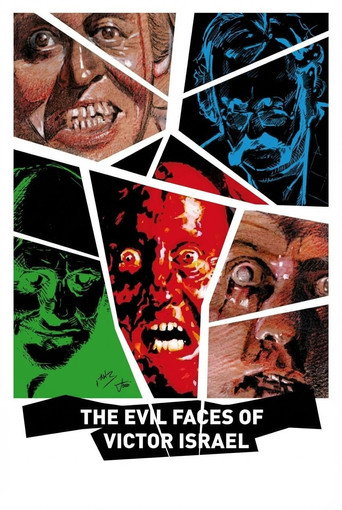
Hour-long documentary about distinctive-looking Spanish character actor Víctor Israel.
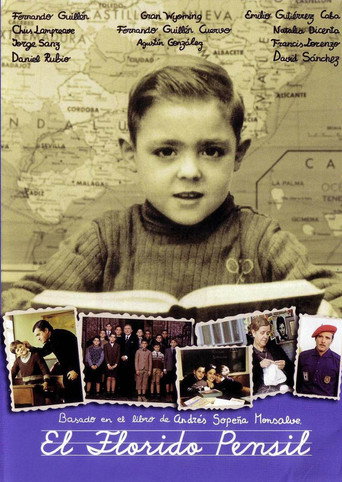
"El Florido Pensil" is a humorous reflection of the education of several generations of Spaniards from the 1940s to the 1960s. Based on the book of the same name by Andrés Sopeña, it evokes, from the present, his memories of that time: everyday school, local radio, Roberto Alcázar's comics, Thursday cinema with Franco opening swamps and "Yon Güein" chasing and killing Indians. Through the childish eyes of a child Sopeña (Daniel Rubio) and his schoolmates, we discover a way of understanding the world, society and a Spain "of glories and flowery pensil", as the national anthem of those years used to sing.
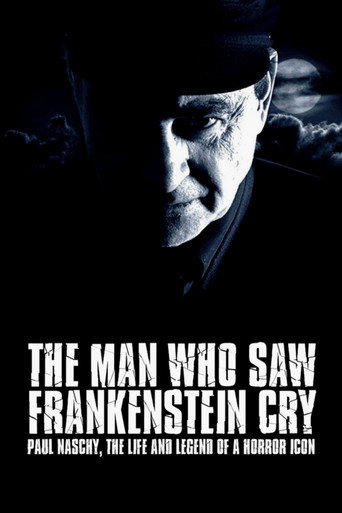
King of Horror, legendary actor, scriptwriter and director, Paul Naschy is regarded as the Spanish Lon Chaney and the most prolific filmmaker dedicated to the fantastic cinema in Spain.
Actor and writer Mark Gatiss embarks on a chilling journey through European horror cinema, from the silent nightmares of German Expressionism in the 1920s to the Belgian lesbian vampires in the 1970s, from the black-gloved killers of Italian bloody giallo cinema to the ghosts of the Spanish Civil War, and finally reveals how Europe's turbulent 20th century forged its ground-breaking horror tradition.
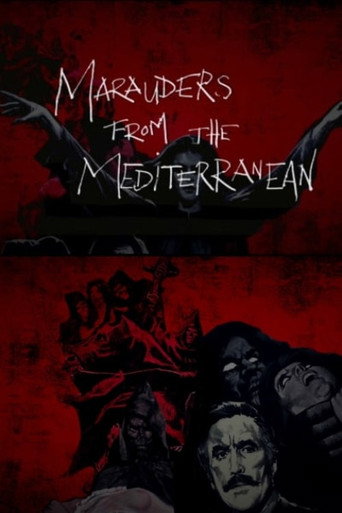
In the late sixties, Spanish cinema began to produce a huge amount of horror genre films: international markets were opened, the production was continuous, a small star-system was created, as well as a solid group of specialized directors. Although foreign trends were imitated, Spanish horror offered a particular approach to sex, blood and violence. It was an extremely unusual artistic movement in Franco's Spain.
A notoriously harsh French judge, vacationing at a luxury resort, finds his holiday interrupted when a mysterious killer begins murdering those in and around the hotel.
When a series of murders hit the remote English countryside, a detective suspects a pair of travelers when it is actually the work of the undead, jarred back to life by an experimental ultra-sonic radiation machine used by the Ministry of Agriculture to kill insects.
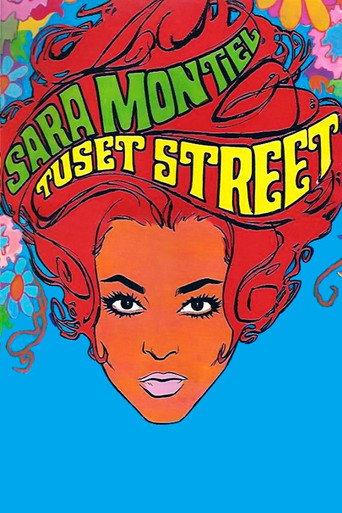
Barcelona 1967. The pop culture revolution. Jordi (Patrick Bauchau) is a rich playboy who runs around with a bunch of high-end hippies, smoking, drinking, dancing and daydreaming about Tuset Street, an effort to develop a popular street in the newer section of Barcelona after the models of Haight Ashbury Street in San Francisco and Carnaby Street in London. Jordi and his gang represent the new Barcelona, wealthy, artificial and striving for imported sophistication. On the older side of the city is El Paralelo, the theater district. At El Molino, one of its many music halls, performs Violeta (Sara Montiel), a showgirl in the old style tradition who supplements her singing income with prostitution. Somehow Violeta represents the old values, the "real world" living along side an artificial creation such as Tuset.
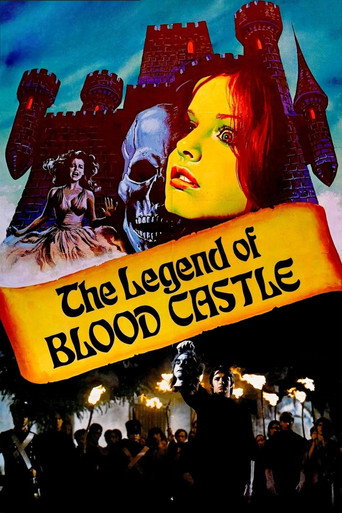
Countess Elizabeth Bathory conspires with her husband to acquire the blood of virgins to maintain her youth and beauty.
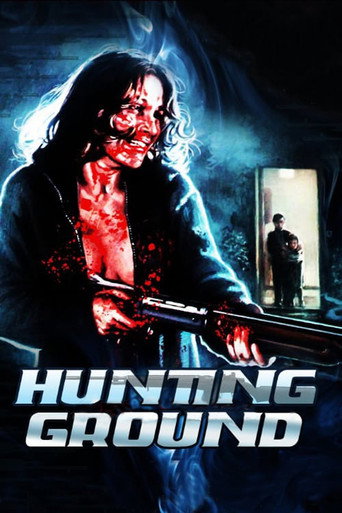
A female lawyer passionately defends criminals, believing that everyone deserves a second chance. But her latest defendants have no qualms about making her their next victim.
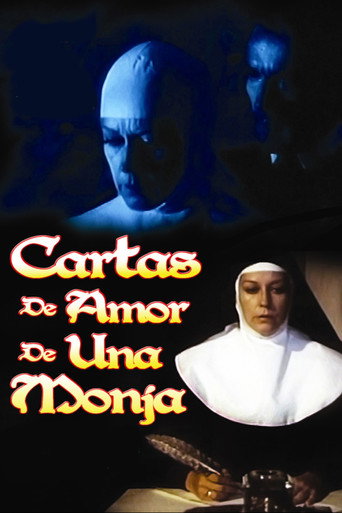
Spain 1640, the reverend superior nun Mariana, attends the death of her younger sister, Isabel's husband, who is overcome with hopelessness and heartache. Isabel then kisses and caresses the cadaver's exposed body as if he were still alive. Mother Mariana