Acting
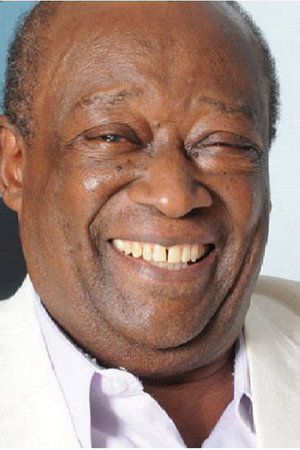
No biography available.
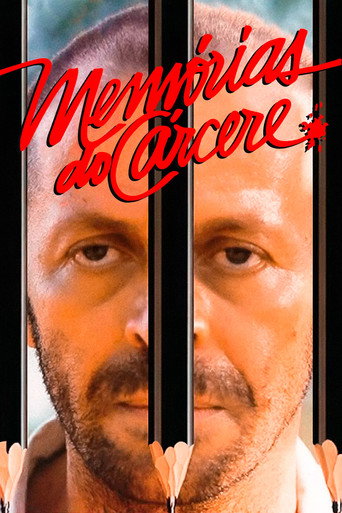
In the 1930s, novelist and politician Graciliano Ramos is accused of being a communist sympathizer. He is then arrested and sent to the Ilha Grande prison, where he experiences the disturbing treatment reserved for common prisoners.
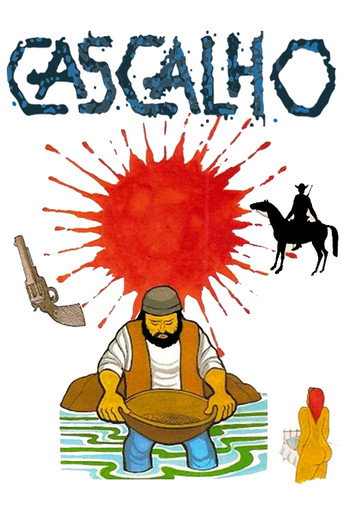
The life of a runaway slave who founded the Quilombo dos Palmares, an outlaw community of Brazilian slaves.
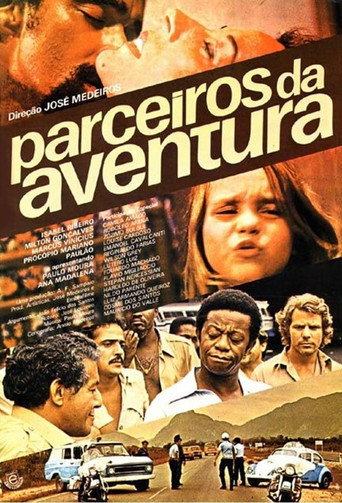
Rio de Janeiro crooks rove about, performing petty tricks to survive, and get involved with a woman who steals cars.
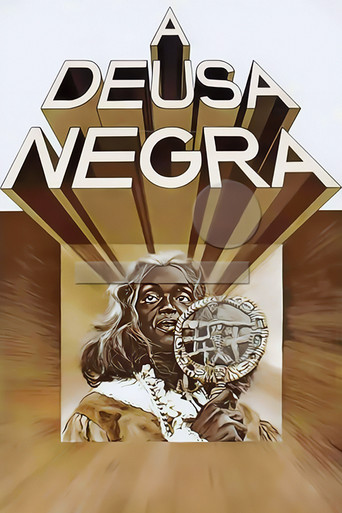
A Deusa Negra is a love story that spans two centuries. In 18th century Yorubaland, Prince Oluyole is taken prisoner in the course of internecine warfare fanned by overseas slave traders. He is sold into slavery in Brazil. In present day Nigeria, at his father's deathbed, the young Babatunde promises to go to Brazil and search for traces of their once-enslaved ancestors. Beginning with a Candomblé ritual, his journey takes him ever deeper into this culture and, in a dream-like sequence, affords him a deeper understanding of his ancestors' suffering and powers of resistance. Balogun effortlessly links present with past, real with magical worlds and discourse with trance. The hypnotic atmosphere is also heightened by the music of the Nigerian drummer Remi Kabaka, which plays with repetitive patterns and distortions.
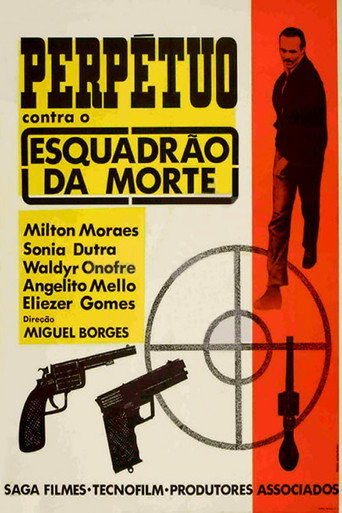
Inspired by the life of one of the most famous policemen in the history of Brazil: detective Perpétuo de Freitas, immortalized in the annals of Brazilian criminal history for relentlessly pursuing and without the slightest assistance of the Rio police force one of the most wanted criminals in the country.
Fable about the financial and social ascension of a black man in a small town, in the interior of the State of Minas Gerais, Brazil, and his existential crisis when he begins to believe the world is going to end.
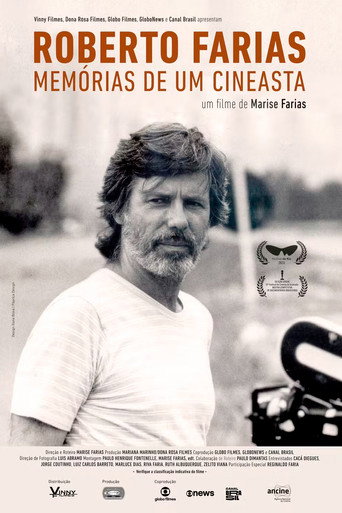
Filmmaker Roberto Farias' passion for cinema is revealed by his daughter Marise Farias through an intimate look, from childhood to his political, economic and cultural role in Brazilian Cinema. Through Roberto Farias himself and friends such as Luís Carlos Barreto, Cacá Diegues and Zelito Viana, the film tells the stories of the director who achieved a direct dialogue with the public through successes such as O Assalto ao Trem Pagador (1962), the trilogy with singer Roberto Carlos (1968 to 1971) and Pra Frente Brasil (1982). Texts from an unpublished book of memories are interpreted by his brother, actor Reginaldo Faria.
The old servant and chronicler Dom Sabas tells how his desolate South American town is the scene of a ruthless power struggle. The landowning Assis family, reduced to a widow and son, tries to hold out against the young, despotic mayor. No less effective then actions are anonymous rumors and accusations, which often stir the inhabitants' moves.
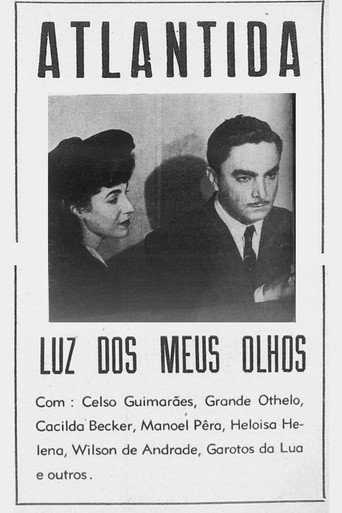
Roberto is blind and tunes pianos, isolated from the world and hurt by having abandoned his promising career as a pianist due to the accident that took his sight. One day, Roberto meets Suzana, the great love of his life, and his old passion returns with full force. But there's a problem: Suzana's engagement could put everything to ruin, separating the passionate couple once again.
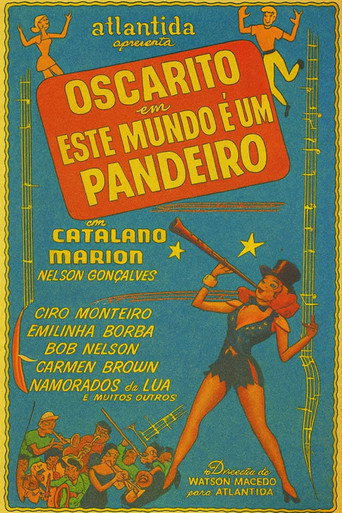
A Brazilian musical comedy
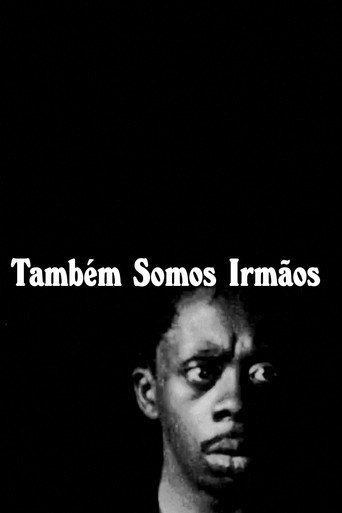
Renato and Miro are black brothers raised by a white family in an old mansion in Rio de Janeiro. Renato, a graduated lawyer, has always looked for dignity, winning in life due to his honesty and search for social recognition. His brother, on the contrary, is a rebel small time crook who believes his behavior is the product of the treatment he received while being rased by the whites.
A Brazilian production that portrays a journey of struggle, faith, hope and transformation through powerful life experiences.