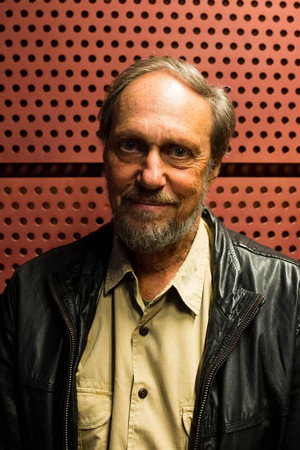
Directing
Jorge Bodanzky (São Paulo, December 22, 1942) is a Brazilian filmmaker, screenwriter and photographer.
A compilation of some of the Super-8 materials shot by Jorge Bodanzky during the Brazilian military dictatorship, blending domestic footage, experiments with the cinematographic medium, and the traces, in an amateur format, of some of his thematic and stylistic obsessions.
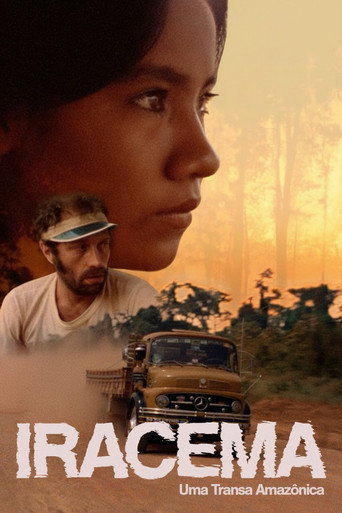
A making-of directed by Bodanzky himself, the documentary discusses the language of the film Iracema - Uma Transa Amazônica 30 years after it was made, gathering interviews with the authors, actors, critics and the filmmakers themselves.
Jorge Bodanzy appeals to the emotional memories of the period he spent studying at the University of Brasilia to show us a tableau of youth in the 1960s, with their dreams and expectations, their hardships, and interrupted projects.
In 1965, a year after the military coup in Brazil, an oasis of freedom opened in the country's capital. The Brasília Film Festival: a landmark of cultural and political resistance. Its story is that of Brazilian cinema itself.
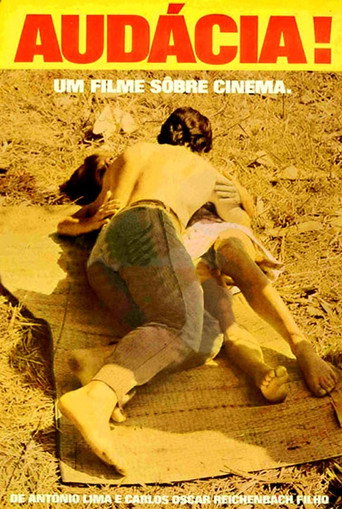
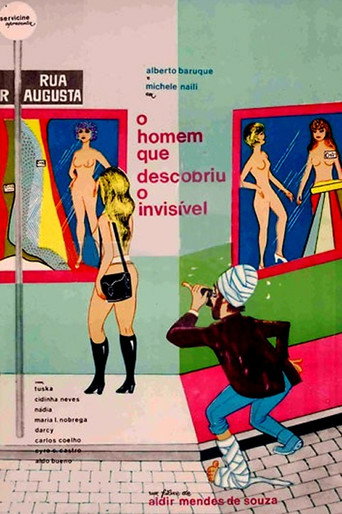
Segment "Prólogo": interviews and scenes with some of the most important filmmakers of the "Boca do Lixo" of São Paulo. Segment "A Badaladíssima dos Trópicos x Os Picaretas do Sexo": shenanigans of a troubled fictional film production. Segment "Amor 69": Actress Maria Vargas is expected to appear nude in a scene, but ultimately refuses to do so.
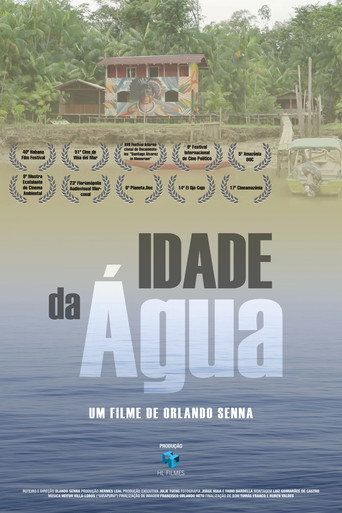
The film warns us about the world's water crisis and the international greed for the Amazon Forest, the largest fresh water reservoir on the planet. In addition to concentrating 20% of the world's drinking water, the Amazon is the region with the greatest chance of maintaining its water sources in the next decades, thanks to the humidity of its forest.
Directed by Jorge Bodanzky, As Cores e Amores de Lore tells the story of German painter Eleonore Koch, Volpi's only disciple who, having settled in Brazil since World War II, lived freely and intensely, always dedicated to her art. Based on a series of meetings that the director had with the painter, the film portrays the last years of her life.
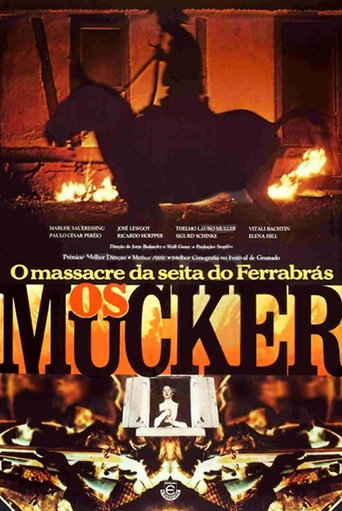
In 1873 in Rio Grande do Sul, a group of peasants come together to form a community of brothers, arousing the enmity of the rest of the population. They are immigrants from the German region and develop a communitary social model, having the Bible as a code of morals, faith and conduct. The group's economic independence ends up irritating the locals to the point of provoking successive aggressions that culminate in a bloody massacre.
A girl from the countryside goes to the city of Belém to take part in the Círio de Nazaré celebrations. Led to prostitution, she wishes to move to the wealthiest Southeast region of Brazil. In a dance club, she meets a truck driver that transports wood. Dreaming with the big city, she asks for a ride, and the two begin a journey through the Trans-Amazon road. In tension with the Brazilian military authorities of the time, the film registers several aspects of the Amazon social tragedy – forest fires, slave work and child prostitution. Awarded in several international festivals, the film was forbidden by the Brazilian censorship. It was only released years later, winning the Brasília Film Festival in 1981.
Documentary about the Minas Gerais photographer Assis Horta, who immortalized the architectural heritage and society of Diamantina. The great impulse of his career came in 1943, with the Consolidation of Labor Laws, promulgated by Getúlio Vargas. By making mandatory a professional card with photo, Vargas gave the push that the working class needed to enter Horta's photographic studio. In the years that followed, the photographer portrayed hundreds of people. In 3x4 or full-length, many took their first portrait.
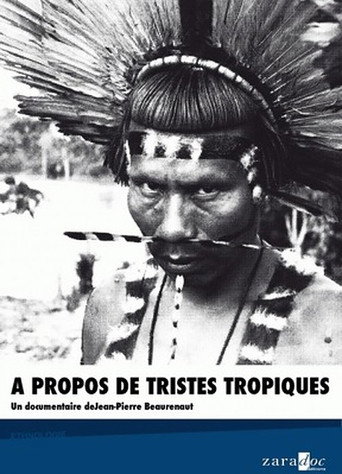
The film evokes the stay in Brazil of Claude Levi-Strauss, an ethnologist, who stayed there from 1934 to 1938. His stay gave rise to the book "Tristes Tropiques". Based on images taken in 1935 and today, his statements reconstruct his intellectual journey in the field of ethnology. Searching for primitive worlds, he tried to understand the Indians whose decaying societies offered an "essence of social life." The work gives us an account of the importance of this scientific and philosophical expedition.
Documentary that tells several stories: of the struggle of rural workers in Conceição to recover their union; of Dona Mariquinha, widow of a murdered squatter and her miraculous effort to survive with her six children; de Rosa and community work in the Olaria neighborhood; the peasant Pé de Ouro and his family living in extreme poverty; de Oneide, the widow of Gringo, the rural leader killed by gunmen when he disputed in 1980 the presidency of the Sindicato de Conceição, etc.
Paranoia, guilt, misery, and technology in the developing country. A fragmented narrative, distorted frames, shouts, and noises. The Nazis take over São Paulo: prison and torture of revolutionaries, a samurai lost in chaos, locked lovers, a dictator and his bunch. Considered one of the most influential films of the marginal period.
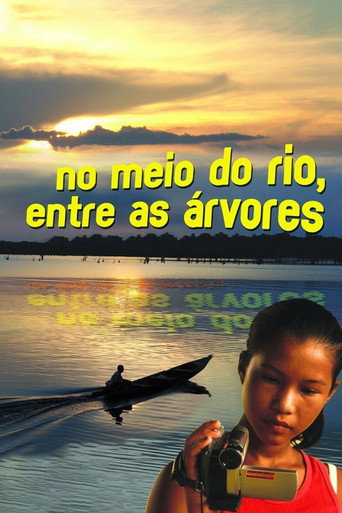
Filmmaker Jorge Bodanzky gives some classes to local communties at Alto Solimões in the Amazom and collect the results.