Jorge Amado Movies, TV Shows, and Filmography
Jorge Amado
Writing
Biography
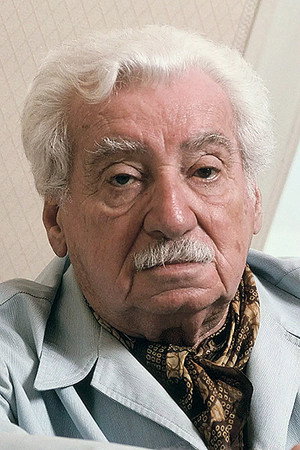
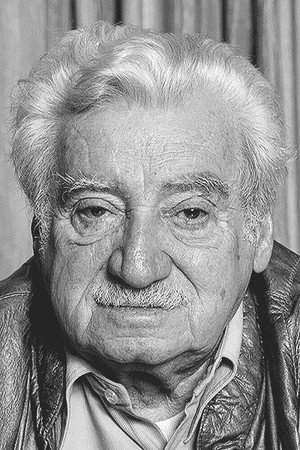
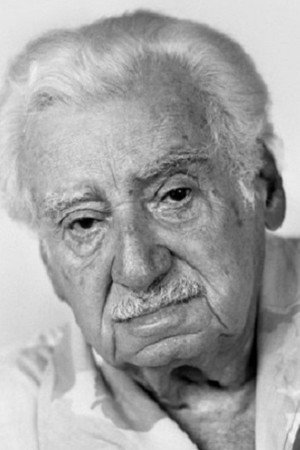
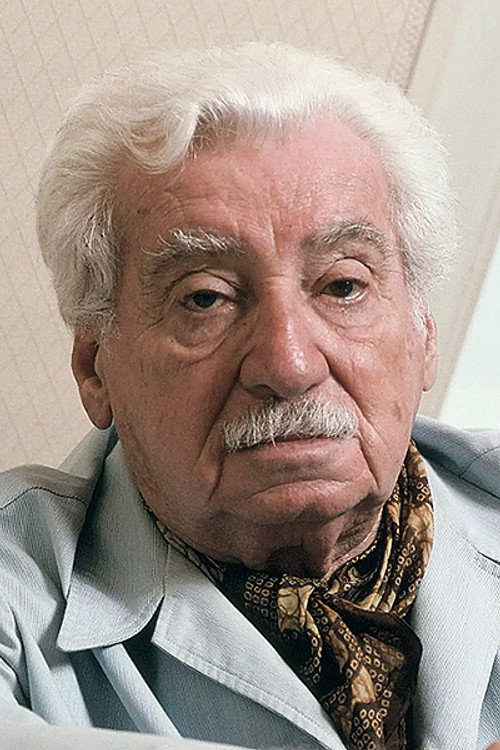
Jorge Leal Amado de Faria (10 August 1912 – 6 August 2001) was a Brazilian writer of the modernist school. He remains the best known of modern Brazilian writers, with his work having been translated into some 49 languages and popularized in film, notably Dona Flor and Her Two Husbands in 1976. His work reflects the image of a Mestiço Brazil and is marked by religious syncretism. He depicted a cheerful and optimistic country that was beset, at the same time, with deep social and economic differences. He occupied the 23rd chair of the Brazilian Academy of Letters from 1961 until his death in 2001. He won the 1984 International Nonino Prize in Italy. He also was Federal Deputy for São Paulo as a member of the Brazilian Communist Party between 1947 and 1951. Amado was born on Saturday, 10 August 1912, on a farm near the inland city of Itabuna, in the south of the Brazilian state of Bahia. He was the eldest of four sons of João Amado de Faria and D. Eulália Leal. The farm was located in the village of Ferradas, which, though today is a district of Itabuna, was at the time administered by the coastal city of Ilhéus. For this reason he considered himself a citizen of Ilhéus. From his exposure to the large cocoa plantations of the area, Amado knew the misery and the struggles of the people working the land and living in almost enslaved conditions. This was to be a theme present in several of his works (for example, The Violent Land of 1944). As a result of a smallpox epidemic, his family moved to Ilhéus when he was one year old, and he spent his childhood there. He attended high school in Salvador, the capital of the state. By the age of 14 Amado had begun to collaborate with several magazines and took part in literary life, as one of the founders of the Modernist "Rebels' Academy". He was the cousin of Brazilian lawyer, writer, journalist and politician Gilberto Amado, and of Brazilian actress and screenwriter Véra Clouzot. Amado published his first novel, The Country of Carnival, in 1931, at age 18. He married Matilde Garcia Rosa and had a daughter, Lila, in 1933. The same year he published his second novel, Cacau, which increased his popularity. He studied law at the Federal University of Rio de Janeiro Faculty of Law but never became a practising lawyer. His leftist activities made his life difficult under the dictatorial regime of Getúlio Vargas. In 1935 he was arrested for the first time, and two years later his books were publicly burned. His works were banned from Portugal, but in the rest of Europe he gained great popularity with the publication of Jubiabá in France. The book received enthusiastic reviews, including that of Nobel prize Award winner Albert Camus. In the early 1940s, Amado edited a literary supplement for the Nazi-funded political newspaper "Meio-Dia". Being a communist militant, from 1941 to 1942 Amado was compelled to go into exile to Argentina and Uruguay. When he returned to Brazil he separated from Matilde Garcia Rosa. In 1945 he was elected to the National Constituent Assembly, as a representative of the Brazilian Communist Party (PCB) (he received more votes than any other candidate in the state of São Paulo). He signed a law granting freedom of religious faith. ... Source: Article "Jorge Amado" from Wikipedia in English, licensed under CC-BY-SA 3.0.
Filmography Movies
Acting

Glauber Rocha - The Movie, Brazil's Labyrinth
Documentary about Brazilian filmmaker Glauber Rocha, one of the most important names in the Cinema Novo, with interviews with some of his friends and colleagues.
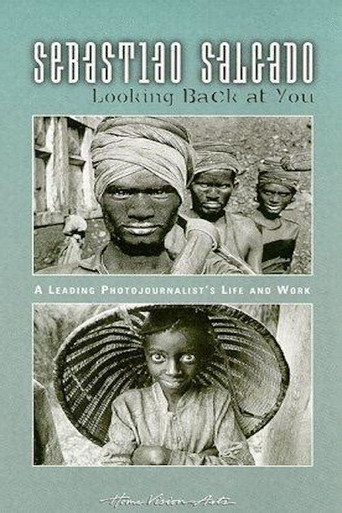
Looking Back at You
Looks at the work of Brazilian photojournalist Sebastiao Salgado (b.1944). In his monumental photo-essay, Workers, Salgado’s dominant theme is the displacement of manual labor by technological advances. He documents the effects of this new industrial revolution on laborers in Eastern Europe, Cuba, Gdansk, Brazil, India, Sicily, and Bangladesh. Includes archival footage of Salgado’s life and commentary by artists, photographers, critics, and writers such as Jorge Armado, Robert Delpire, Jimmy Fox, and Arthur Miller.
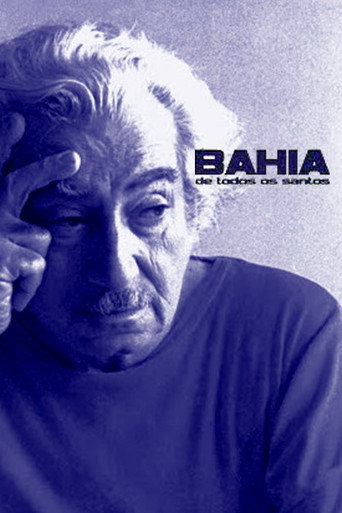
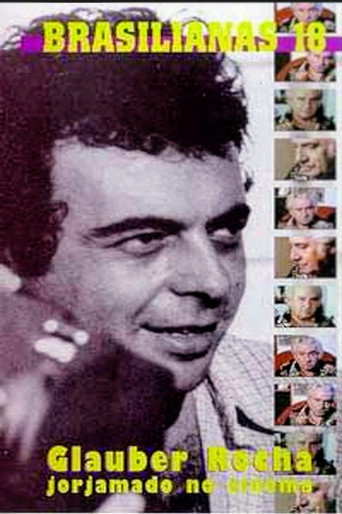
Jorge Amado no Cinema
Jorge Amado no Cinema was made for a television program dedicated to the writer Jorge Amado. In this documentary, Jorge Amado is filmed in his home, surrounded by his large family; in a bookstore, during an autograph session of one of his books, in a cinema in Salvador, at the avant-première of the film Tenda dos Milagres, by Nelson Pereira dos Santos, an adaptation of the book of the same name by Jorge Amado. Glauber films his friend with a lot of humor and affection. The camera evolves slowly, incessantly and quickly over the writer, his family members, actors and actresses from Nelson's film, in addition to passing through objects of candomblé rituals that make up Jorge Amado's museum.

Pierre Fatumbi Verger: Messenger Between Two Worlds
Inspired by the life of the french-born photographer and ethnographer, Pierre Verger, the movie follows his journey between Bahia, Brazil and Benin, Oriental Africa, showing places and people he met and his life study project: the Candomblé culture.
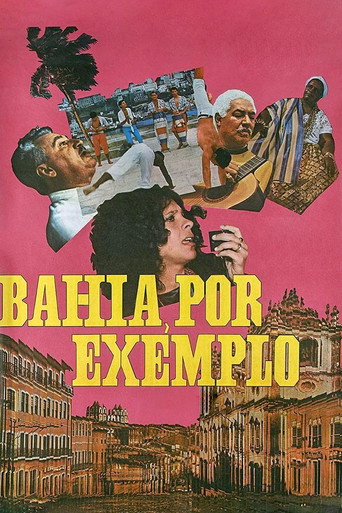
Bahia, For Example
Through folklore manifestations and diverse artistic expressions, the film is a document that exalts and honors the Bahian culture.
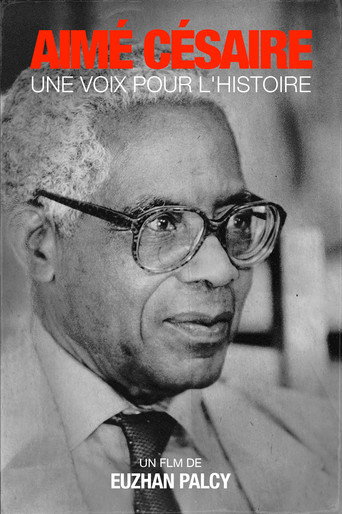
Aimé Césaire: A Voice for History
A three-part study that introduces audiences to the celebrated Martinican author Aimé Césaire, who coined the term "négritude" and launched the movement called the "Great Black Cry".
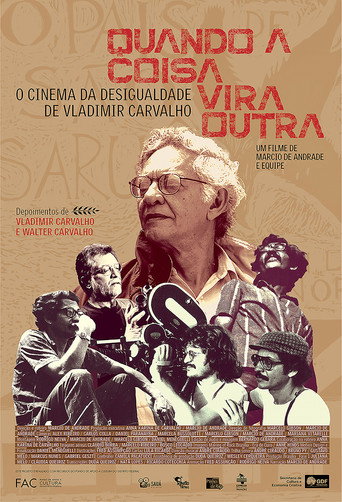
Quando a Coisa Vira Outra
Vladimir Carvalho's Cinema of Inequality marked the documentary filmmaker's trajectory over decades of activity. Considered one of the most important Brazilian documentary filmmakers in activity, his images influenced the emergence of Cinema Novo and the new Brazilian documentary years later. Quando a Coisa Vira Outra covers the most important films made by Vladimir, revealing where ideas come from to show the true reality of a country.
Production
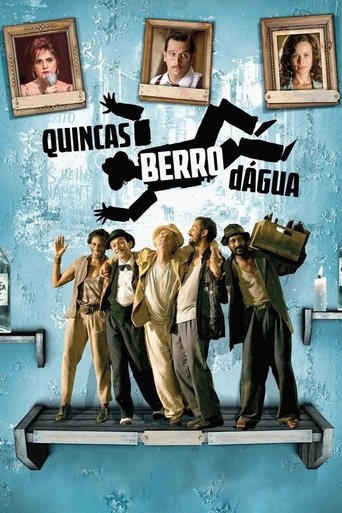
The Two Deaths of Quincas Wateryell
Friends of the recently deceased Quincas take their pal's body on one last tour of his favorite spots in Brazil's Bahia.
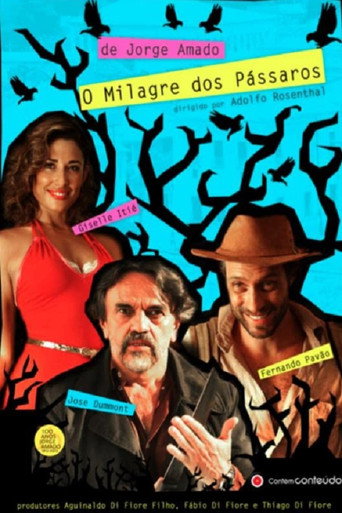
The Miracle of the Birds
Sabô marries Lindolfo Ezequiel in exchange for the life of his brother, who was sworn to death by the captain. The brunette is known as the most desired woman in the region and her husband is reputed to be a killer. One day, Ubaldo Capadócio arrives in the city of Cachoeira, in Bahia, and takes away hearts. The poet is a handsome man, has nine children and is married to three women: Rosecler, Romilda and Valdelice. Rosecler is the most fiery and spendthrift, Romilda abandoned her butcher husband for Ubaldo and Valdelice is the most daring. In Cachoeira, Ubaldo sees Sabô and is attracted by so much beauty. The captain's wife surrenders to the poet's charms, but they are caught by Lindolfo Ezequiel. Then begins the saga of Ubaldo to escape death. That's where the miracle of birds happens.
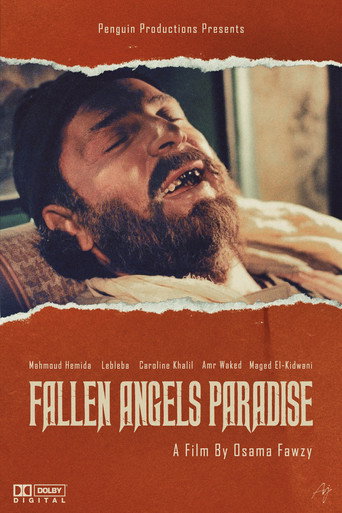
Fallen Angels Paradise
Tabel abandons his luxurious family life in favor of a bohemian life with his eccentric marginalized friends. When Tabel dies, his daughter attempts to give him a decent burial, but his friends take the corpse away to bid him farewell in their own way.
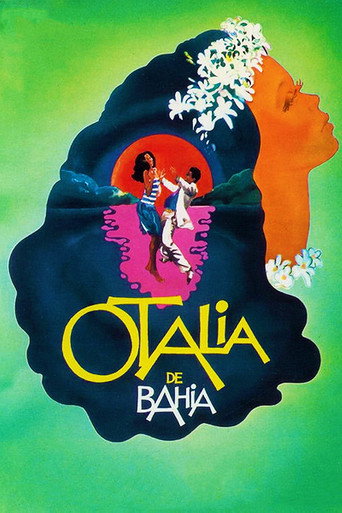
Bahia
The adventures of Otalia, a strangely innocent young Brazilian prostitute who has just arrived in Salvador, Bahia. Though her belongings are stolen from her shortly after arrival, Otalia swiftly meets up with a group of charming and helpful friends.

Captains of the Sands
About the life and adventures of a gang of abandoned street kids known as "Capitães da Areia" (Captains of the Sands), in Salvador, Bahia, during the 1950s.

Gabriela
In 1925, Gabriela, a poor, uneducated, yet charming woman becomes cook, mistress, and then wife of Nacib, a bar owner in Ilhéus, a small Brazilian coastal town run by the local colonels.

Jubiabá
Jubiabá is a French-Brazilian film based on the homonymous novel by Jorge Amado. The film tells the story of the interracial love between the daughter of a rich Commander and Antonio Balduíno, a rascal, fighter and famous lover from Salvador.
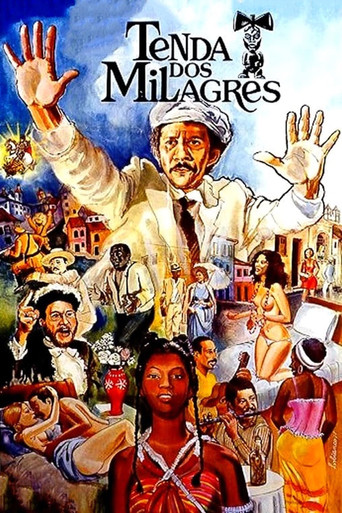
Tent of Miracles
When a prominent U.S. Nobel Laureate arrives in Salvador, Bahia, the city with the largest black population in Brazil, he stirs emotions by championing a long-forgotten local writer named Pedro Archanjo, who believed that humanity would be improved only through miscegenation.
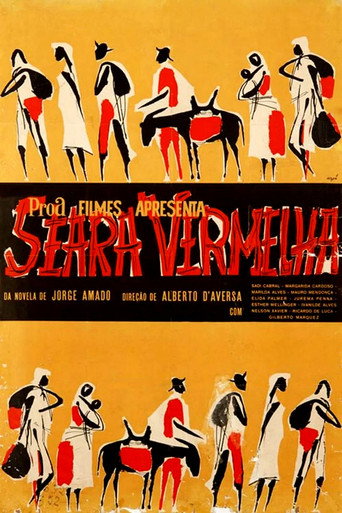
Seara Vermelha

Kiss Me Goodbye
Not until three years after the death of her husband Jolly, Kay dares to move back into their former home, persuaded by her new fiancée Rupert. But soon her worst expectations come true, when not only her old memories haunt her, but also Jolly's ghost, who doesn't approve of her new mate. Invisible to anyone but Kay, he tries to prevent the wedding.
Gallery