Jordana Berg Movies, TV Shows, and Filmography
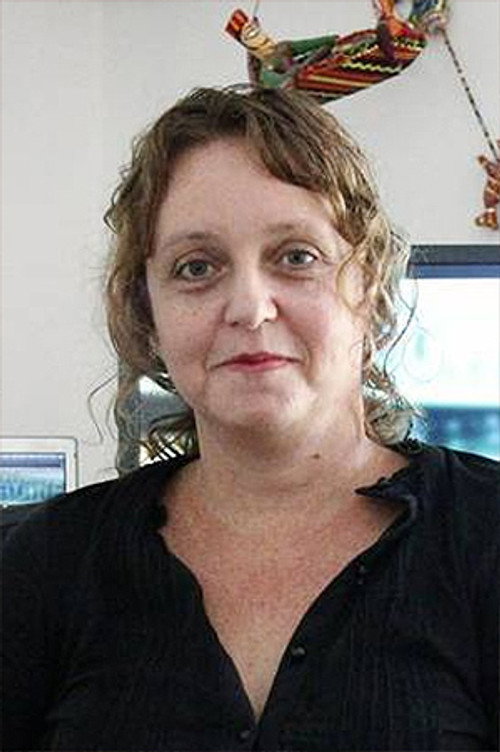
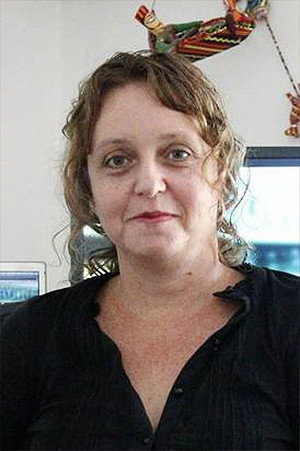
Jordana Berg
Editing
Biography
Jordana Berg (Rio de Janeiro, 1963) is a Brazilian film editor.
Filmography Movies
Acting
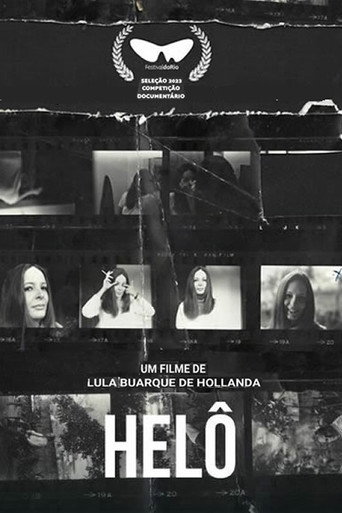
Helô
Considered one of the main Brazilian intellectuals, Heloisa Buarque de Hollanda — a member of the Brazilian Academy of Letters — left important marks on national thought and continues to be, at 84 years old, an active voice on the country's cultural and behavioral issues. The documentary sheds light on the trajectory of this icon who has always been at the forefront, serving as an antenna and beacon for cultural and social movements that are to come, while delving into Heloisa's intimacy thanks to the access of her eldest son, director Lula Buarque de Hollanda.
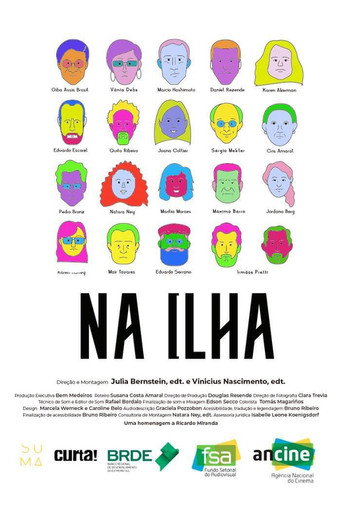
Na Ilha
Immersive documentary in the film editing process. Twenty Brazilian cinema editors expose the nuances of this art, its secrets and processes.
Production

The Repentants
In 1970, at the height of repression by the military dictatorship, five imprisoned guerrillas came to the public to renounce the armed struggle and praise the regime. With the repercussion of the declarations, the government decided to transform the retractions into a State practice. He started to torture opponents to make mea-culpa. Until 1975, around forty prisoners participated in the “repentances”, as they became known. Os Arrependidos recounts the little-remembered story of former militants who, very young, dropped everything to risk their lives for a cause, were arrested and tortured, and became a propaganda weapon for their enemies.
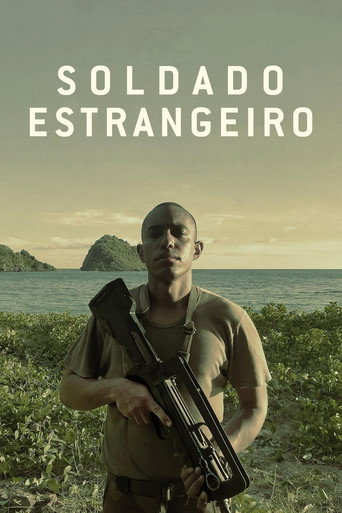
Soldado Estrangeiro
Three Brazilians live different stages of the same choice: to be a warrior in a great army of a foreign nation. Discover stories of characters who have enlisted in the Foreign Legion, Israel and the United States.
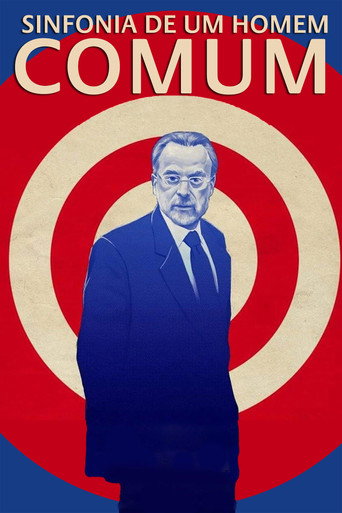
A Symphony for a Common Man
As head of the Organization for the Prohibition of Chemical Weapons, Brazilian diplomat José Bustani became an obstacle in America’s march to war with Iraq. Ousted from his position, he now revisits the chilling events that marked a turning point in global power structures.
A Symphony for a Common Man
As head of the Organization for the Prohibition of Chemical Weapons, Brazilian diplomat José Bustani became an obstacle in America’s march to war with Iraq. Ousted from his position, he now revisits the chilling events that marked a turning point in global power structures.
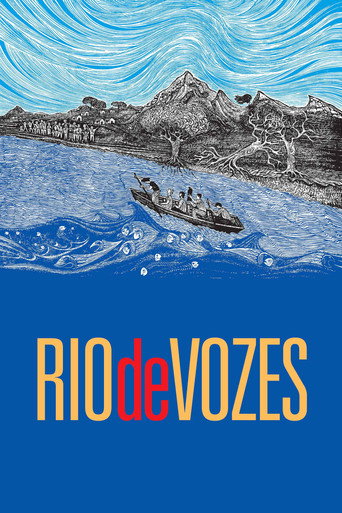
Rio de Vozes
The São Francisco River crosses the Brazilian hinterland, lands marked by extreme aridity. This great river that was once impetuous and generous is now very fragile. Deforestation of its margins and overexploitation of land by intensive agriculture endanger the great diversity of its ecosystem. The lives of riverside dwellers are affected in its deepest integrity, as well as their areas. The São Francisco River is the vital flow of their existence and the central place of their hopes and imagination, but the general feeling is that if the river dies, everything will disappear with it. Women are at the forefront of resistance. They struggle daily to allow for the possibility of a future. Their children also claim this identity, which it is up to them to renew and make fruitful.

Maya and the Wave
After a brush with death, Maya Gabeira makes history in the male-dominated world of big wave surfing.
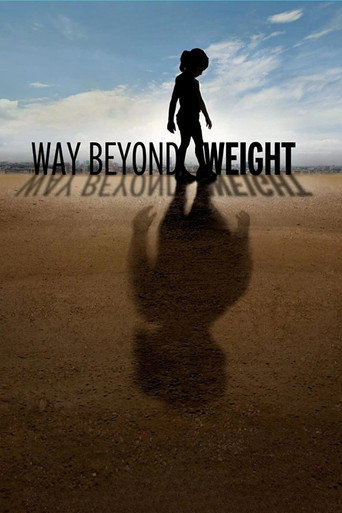
Way Beyond Weight
Today, one third of Brazilian children are overweight. This is the first generation to introduce diseases previously restricted to adults, such as depression, diabetes and cardiovascular problems. This documentary examines the case of childhood obesity in the country especially, but also in other countries in the world, interviewing parents, school representatives, and government officials responsible for food advertising.
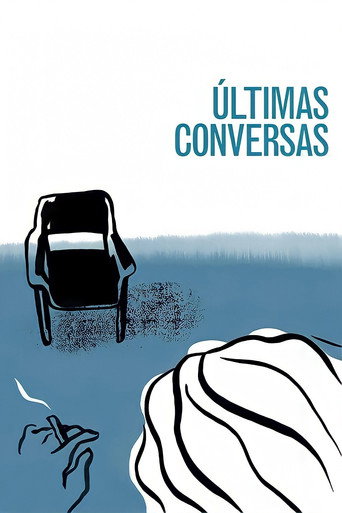
Last Conversations
Made from interviews with young Brazilian students by filmmaker Eduardo Coutinho before his death (in February 2014), the film seeks to understand how teenagers think, live and dream nowadays. The footage was edited by Coutinho’s longtime partner, film editor Jordana Berg, and the final cut is signed by João Moreira Salles.
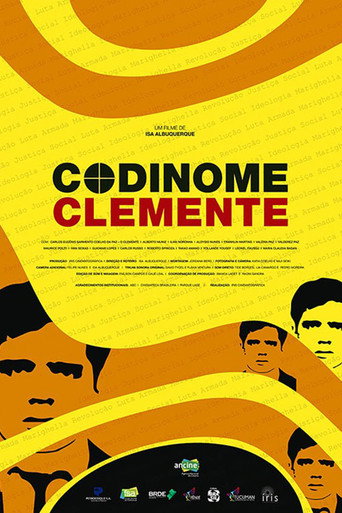
Codinome Clemente
Carlos Eugênio Paz recalls his participation in the armed struggle against the military dictatorship between the 1960s and 1980s. Using the code name “Clemente”, he participated in the National Liberation Alliance and in several urban actions. Through her own testimony and that of her fellow fighters, director Isa Albuquerque builds a portrait of a troubled moment in Brazilian history and of an entire generation that fought for their country's democracy.
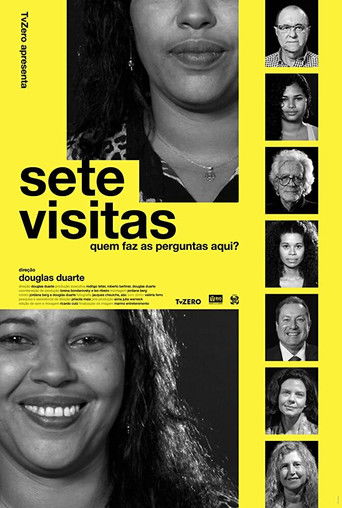
Sete Visitas
How much theatricality is there in an interview-based documentary? On one side, someone answers. On the other side, someone asks questions – usually away from the camera eyes. But what would happen if also filmed the interviewers? And if the respondent also had the right to ask? And if the parties never met? What if instead of a glimpse into someone’s life, we had several? ‘Seven visits’ is a film about questions. And about the act of being interested in the other.
Gallery