Directing
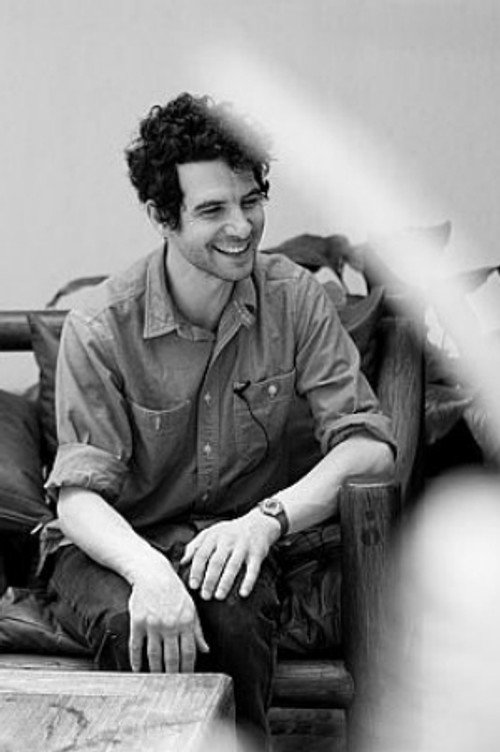
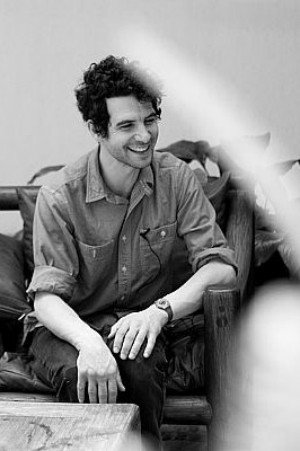
Jonathan Schwartz was an American experimental filmmaker.
In order to beat inflation and subsidize their alimony checks, three suburban housewives plot to steal $1 million from a large plastic ball which is displayed in a local shopping center.
Documentary on the 1953 musical "The Band Wagon."
Jonathan Schwartz is a young American experimental filmmaker who has crafted a body of short, lyrical 16mm films over the past decade. Working with the legacies of anthropological and observational non-fiction cinema, and in the avant-garde tradition of filmmakers like Warren Sonbert and Mark LaPore, Schwartz makes the camera a catalyst for a transformed dynamic between the figure behind the camera and those in front. Turning his camera on the people and places around him (whether in his New England home or on his travels abroad), Schwartz captures jewel-like fragments of gesture, light and colour that he then meticulously assembles alongside sounds collected as field recordings, creating films of great beauty and feeling that seem to vibrate with a total openness to the surrounding world and its denizens.
From the 33 1/3 Series (an album of eleven 'in-camera' 16mm films)
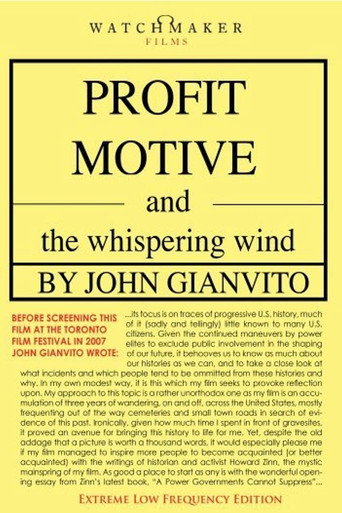
A visual essay about the progressive tradition of the United States as seen through grave markers and monuments.
Potential Northwestern fellow Tess Harper lasers through her best friend's wedding planning like the star doctor she hopes to soon become. In fact, Tess puzzles through any problem - provided it's not her own. When she meets divorce lawyer and groom's best friend, Michael, Tess maneuvers around him like a gurney in the emergency room until she discovers this best man has a few moves of his own.
‘With a car from 1966-1977 and a manual for violence prevention, you drive. The distance is now your compass so follow the shadows to your resting spot. Or: I was wondering if sincerity could override irony and flood out some emotions from our past. Then - all for the extension of time, follow the echo, it might disappear into the clouds.’
…a poem made of imagery from a gardening volume, a book of flower prints, and the sound of a firework display. The images of the colored flowers, when added to the sound of pyrotechnics, become a graphic representation of exploding buoyancy. Like in a Lewis Klahr film, the images appear to collage a story-driven narration. There is motion created by the succession of cuts, and by the hand-handled camera movements so essential to Schwartz’s style–allowing a non-aggressive, handcrafted, and detail-oriented approach to the world. Movement is more essential than any possible tale. The camera follows the shape of printed instructions, drawing verses in the air. The vivid texture and colors of these images transform the ink into trails of meaning, ways to translate inner subtleties into corporeal nature. – Monica Saviron
Den of Tigers (2002), by Jonathan Schwartz, lyrically examined the subtle textures of daily life in West Bengal, India. There you could see ankles lifting up and back down into a flooded street, a small ancient woman pushing on the arm of a water pump, and the hypnotic swinging of a young tightrope walkers hips, the image as taut as the narrow rope pressed to her feet. – Genevieve Yue
“hit the slopes with colorful exaggerations, take a long sleep, and hope to wake up without an anxious yawn.” – JS
Schwartz’s poetic 16mm work meditates on the sights and sounds of slowly crumbling glaciers, charting an interior dance between desperation and hope. The carefully deployed superimpositions, strident soundtrack, and contrasting tones of intensity and tranquility suggest the unpredictable rhythms of metaphysical transformation.