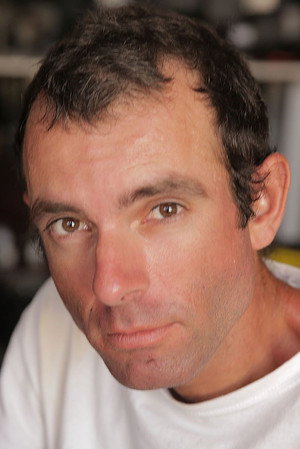
Jonathan Bougard Movies, TV Shows, and Filmography
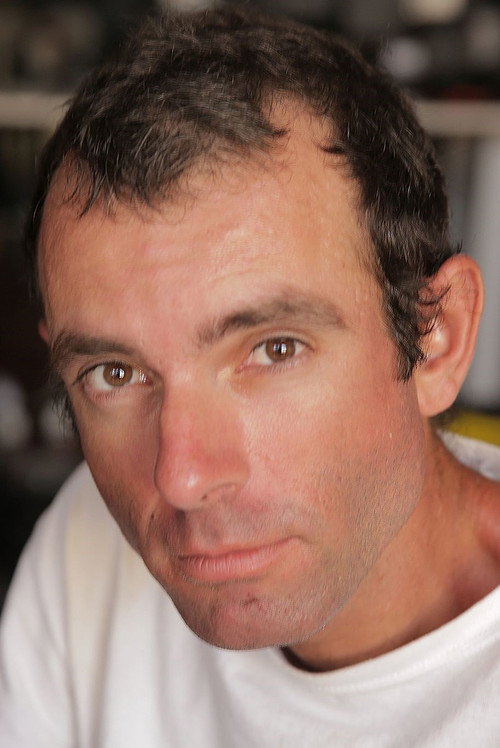
Jonathan Bougard
Directing
Biography
Jonathan Bougard is a French designer and documentary film director active in French Polynesia since 2005.
Filmography Movies
Acting
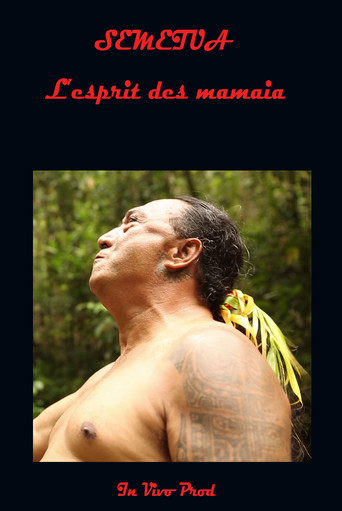
Semetua
Semetua was Sem Manutahi, master of ceremonies and central figure of the "Tipaerui Valley" association. His role in the association was to find legends, and to set up traditional activities or ceremonies, in the upper valley of Tipaerui in the heart of the island of Tahiti. "This valley has a soul, a spirit that we always respect when we come. He said. It is animated by the spirit of the Mamaia. These people that we rarely met, that we feared and respected also, in the days of royalty. Some say they were healers, others say they were seers." Speaker on several occasions for troops at Heiva i Tahiti, master of ceremonies for the Tipaeui Valley association, Semetua has made his voice resonate on numerous occasions, to tell stories, protect a valley or quite simply defend his convictions.
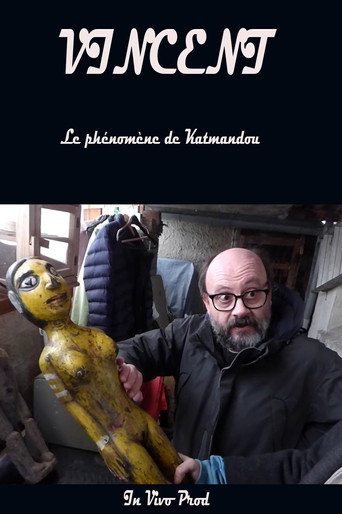
Vincent the phenomenon of Kathmandu
Vincent Greby is a French artist who divides his life between Kathmandu and Seoul. While passing through his family home in Gournay, he received a visit from his friend Jonathan Bougard who was returning from Polynesia. They haven't been seen for twenty years. Vincent presents him with some Putali from the Jajarkot district, ex votos of primitive Himalayan art, as well as a large African mask signed Grégoire Massengo, and then some of the paintings which made him known in Asia.
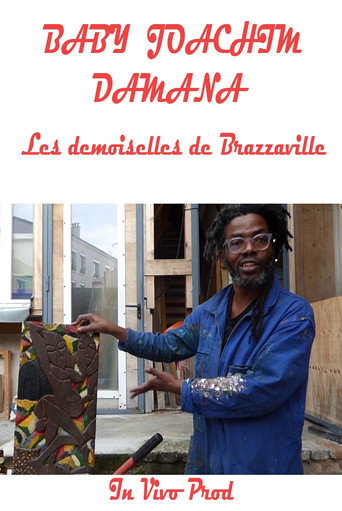
Baby Joachim Damana, the young ladies of Brazzaville
A precocious sculptor, famous at the age of 15, Joachim Badindamana was born in Congo Brazzaville in 1950. He began by working in wood in the style of Muta Mayola and very quickly won a first sculpture prize and then a scholarship. allowing him to study fine arts in Germany. He made his life between Berlin and Dusseldorf in the 1970s and then turned to creating monumental bronzes before returning to Congo at the invitation of President Sassou Ngesso in the early 1980s. Author of monumental bronze sculptures erected in the public squares of Brazzaville from the 1980s, his emblematic works of the Congolese capital disappeared during the events of 1997. The population recovered the bronze to make pots. For Gastineau Massamba, Les Demoiselles de Brazzaville is an important work for the history of contemporary Congolese sculpture.
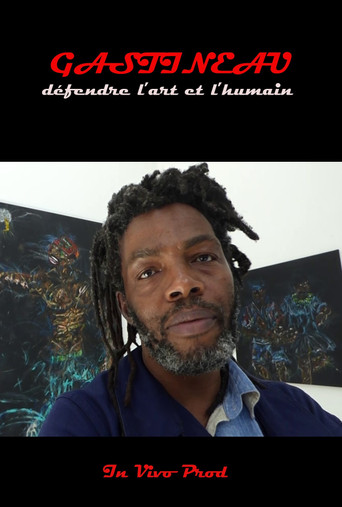
Gastineau, defending art and humanity
Gastineau Massamba is a painter, sculptor and poet. It is constantly renewing itself.
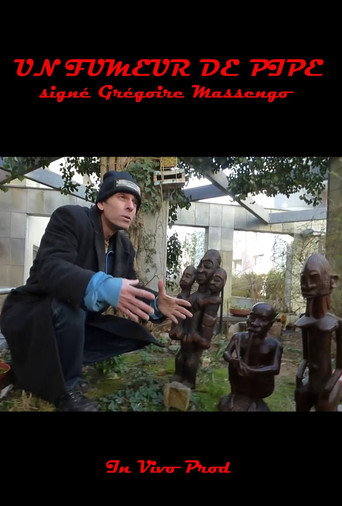
A pipe smoker by Grégoire Massengo
Visit to the painter and collector of primitive arts Guillaume Tel 4 f in the heart of Paris, around the statue of a Congolese pipe smoker by Grégoire Massengo, one of the fathers of modern Congolese sculpture.
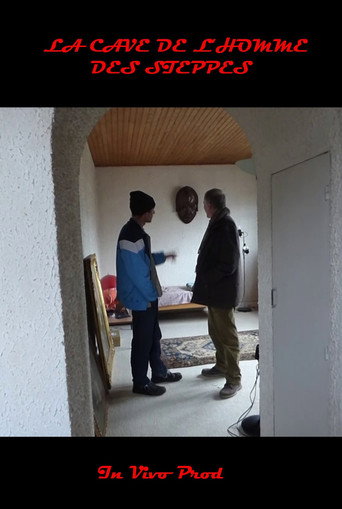
The treasures of Mr. Perichon
How at the beginning of 2022, while doing research in France on Henriette Lorimier and the women painters of the early 19th century, in a cellar in Bagneux Jonathan Bougard came across a bust signed Muta Mayola, the most important Congolese sculptor of the twentieth century, of which we thought all the works had disappeared. At the same time as on a set of works by his students and nephews Grégoire Massengo, Benoit Konongo and Edouard Malonga. The fathers of modern Congolese sculpture, main representatives of the Muta Mayola school.
Production
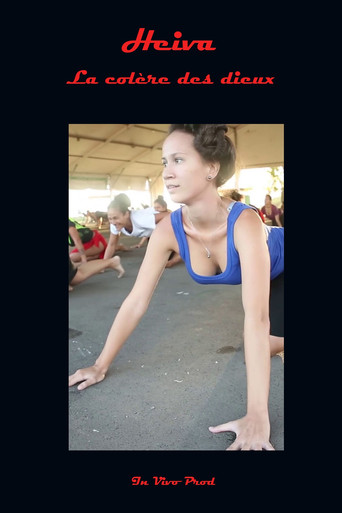
Heiva, the wrath of the gods
A Heiva in Tahiti with the poet John Mairai as troop leader.
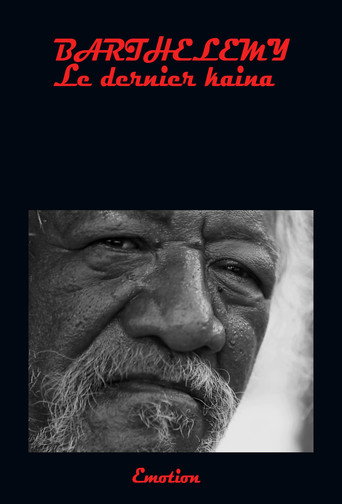
Barthélémy the last kaina
Coming from a long line of singers, since his father, his grandfather and even his great-grandfather were known for their musical talents, Barthélémy Arakino was born in 1956. He grew up among the Tuamotu and its district of Outumaoro, in Tahiti. The boy learned to write songs from his father, in the Paumotu language of Hao. At nineteen, he went to France for the first time with the army. The success of his first song recorded in the studio, On my return from metropolis, opened the world to him. He was thus able to travel in Europe and the United States, performing on various stages. Barthélémy has long been the only singer to make a decent living from his royalties in French Polynesia. Filmed just before his death in 2015, this film is the only documentary dedicated to this sacred monster.
Semetua
Semetua was Sem Manutahi, master of ceremonies and central figure of the "Tipaerui Valley" association. His role in the association was to find legends, and to set up traditional activities or ceremonies, in the upper valley of Tipaerui in the heart of the island of Tahiti. "This valley has a soul, a spirit that we always respect when we come. He said. It is animated by the spirit of the Mamaia. These people that we rarely met, that we feared and respected also, in the days of royalty. Some say they were healers, others say they were seers." Speaker on several occasions for troops at Heiva i Tahiti, master of ceremonies for the Tipaeui Valley association, Semetua has made his voice resonate on numerous occasions, to tell stories, protect a valley or quite simply defend his convictions.
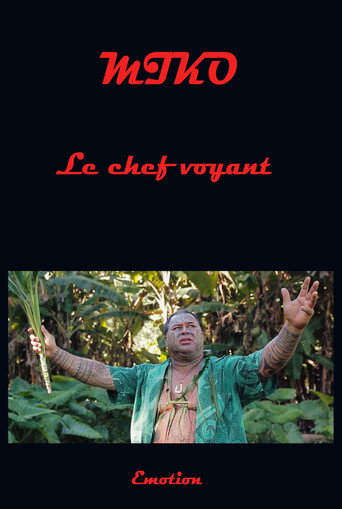
Miko the clairvoyant chef
Michel Toofa Pouira Krainer, known as Chief Miko (born 3 April 1959) is a French Polynesian speaker, sculptor, traditional navigator, musician, singer, customary chief and activist. He played a major role in the Polynesian cultural revival, particularly in the revival of Polynesian tattoos. We accompany Chef Miko to choose good wood. This is an opportunity to hear the testimony of his Dusseldorf counterpart, Andreas Dettloff. Dettloff is a German visual artist living in Tahiti for around twenty years, who works on popular culture. The meeting with Chief Miko goes so well that a few days later we go to visit Dettloff at his home.
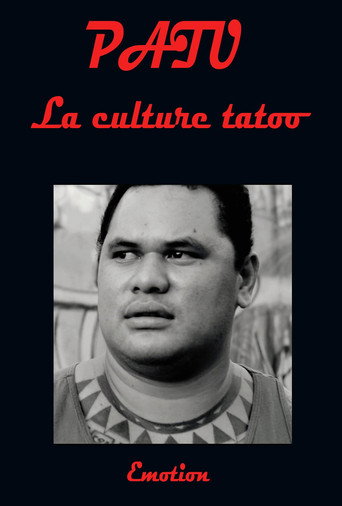
Patu tattoo culture
The first time Patu joined a tattoo shop was in 2004 with Tavae Norbert. Wanting to deepen his knowledge of Polynesian history and culture, which he did not know at all, he then joined the Tahiti Art Craft Center. At the Center Patu is lucky to have Philippe Aukara as a sculpture teacher. This new guide teaches him a lot about composition and patterns. The legends, the traditional songs, the design of the nasal flutes, the canoes, the instruments, the percussion. The language too. Today Patu has his own salon and makes a living from tattooing. He dances and fully lives what he loves to do. When you love what you do, you can only be smiling and feel good about yourself... For the young people who know him in his neighborhood and who see him evolve today, he is a very good example.
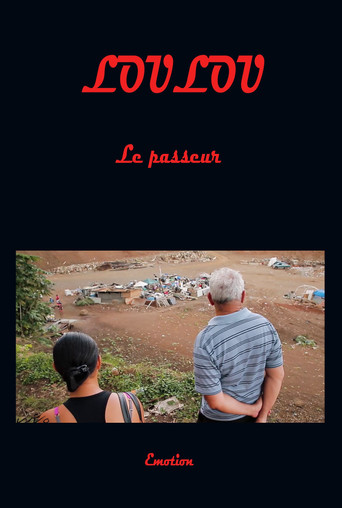
Loulou the former
Louis Lalanne, known as Loulou, entered the world of canoeing quite by chance, through Gilles Maitere. Gilles had a science, an art. He had been introduced to canoeing by old Tahitians. For him the canoe was a way of life, an art and a cult. At first Loulou didn't really understand. The canoeist holds an ancestral oar, the canoe was used to immigrate. At the time when Europeans were still using sextants, Polynesian navigators were reading nature. They navigated by the stars, the positioning of the moon and reading the winds and currents. The chop of the sea and the position of the clouds.
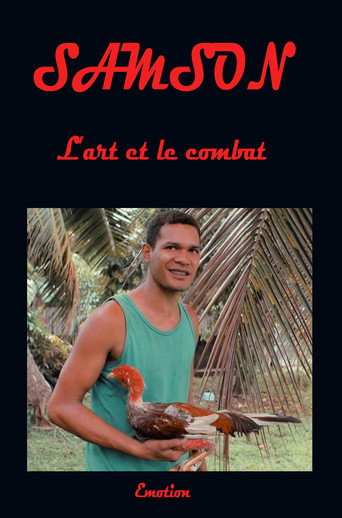
Samson art and combat
Portrait of Sanson, a young Tahitian artist passionate about roosters. Cockfighting was introduced to Polynesia by early Chinese immigrants. It took place everywhere, on all the islands. Wherever there was a Chinese trader he organized a cockfight, to the extent that he had fighting cocks. But this is not a particularly Chinese cultural trait. It doesn't come from China. Cockfighting is extremely old in the Mediterranean and throughout southern Asia, and in particular the Philippines where it was very organized.
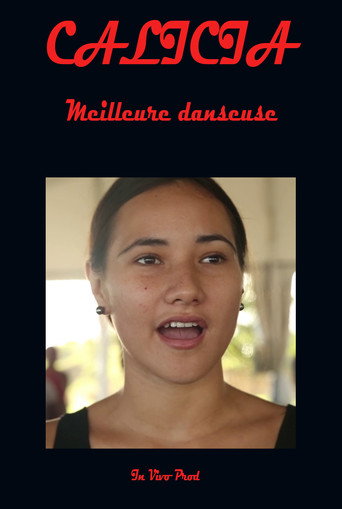
Calicia best dancer
Tahiti, an island where people dance every night. We rehearse for the Heiva festivities, a dance competition where large troupes compete each July. The film follows a young girl from Raiatea, Calicia Taufa, second prize for best dancer at Heiva i Tahiti 2017, filmed day by day from the first rehearsals to the synod of the Maohi Protestant church in Taravao after the Heiva.
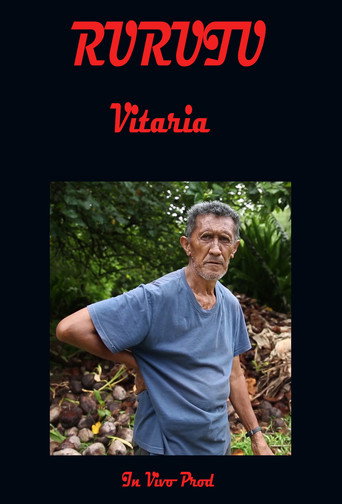
Rurutu Vitaria
Discovery of the community of Vitaria, on the island of Rurutu in the Austral archipelago in Polynesia. In Vitaria we are Rurutu Protestants. This church draws on its autochthony to regain control over individuals and their native land. To stay in the symbolism, it should be noted that the geographical point furthest from Jerusalem is located in the Austral archipelago, south of the island of Rapa. The prism of local Christianity will be an opportunity to focus on the lives of the people of Vitaria, to get to know Patia Taputu, a charismatic character who is a farmer, breeder and fisherman. His wife Tiare is a recognized craftswoman. The couple raised their seven children on vanilla, coffee, egg production and making woven hats from white pandanus.
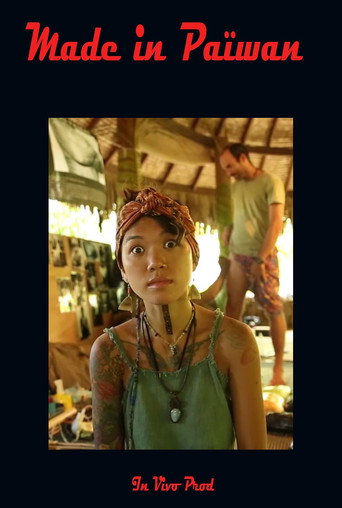
Made in Païwan
Païwan People share a rich tattooing tradition which was closely related to cultural identity and social status before the vanishement during WWII. This contributes to give Cudjuy Patjidres the motivation of the tattoing revival. Cudjuy is actualy the only traditionnal tattooist in Taïwan. He learn his art to Bai Ai Païwan tatoo artist. Suliljaw Lusaujatj, student of the Departement of Anthropology of the College of Asia and the Pacific help him as stretcher. Suliljaw reccord also the tattooing.
Gallery