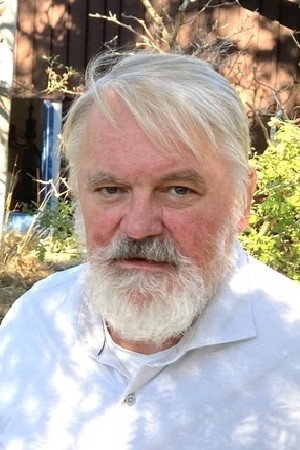
Jonas Fohlin Movies, TV Shows, and Filmography
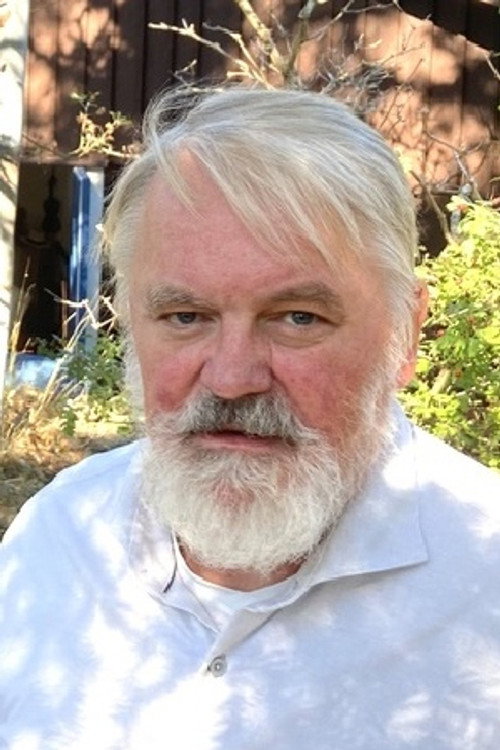
Jonas Fohlin
Crew
Biography
Jonas Fohlin, born 21 November 1962 in Visby on Gotland, is a Swedish film and television producer who has worked at Sveriges Television since 1989. Since 2003, he has co-produced the popular program series Året var..., which explores important events through the years. Fohlin has also produced several documentaries, including Budapest Brinner (2006) and short films such as Jag minns grisen (2015) and Dödens Dag - Chile 11 September 1973 (2023). He has also been involved in music production and produced rock videos, such as Traste Lindéns Kvintett's Vi går till säng, as well as several short films. His productions have often involved both directing, producing and narrating.
Filmography Movies
Acting
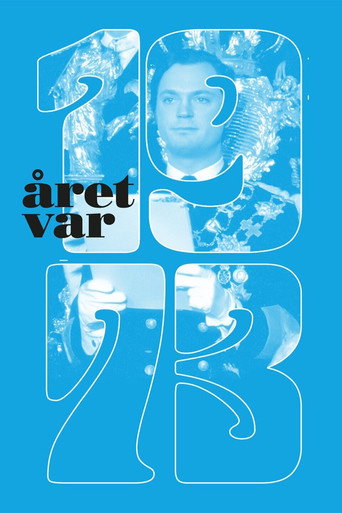
Året var 1973
At the end of August 1973, a robber takes hostages at the Kreditbanken at Norrmalmstorg. A week or so later, on September 15, King Gustaf VI Adolf dies in Helsingborg's hospital and Sweden gets a new king: Carl XVI Gustaf. In Chile, the military takes power and the popularly elected president Salvador Allende is overthrown. That and much more in this column about the year 1973.
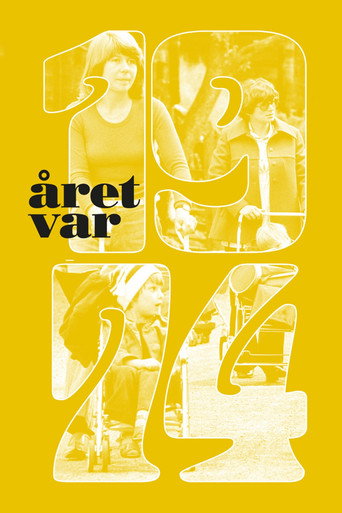
Året var 1974
The year begins with an energy crisis and petrol rationing. And there will be parental insurance so that even fathers can stay at home with their children. Cleaners around Sweden are on strike for better conditions. Worry grows for the Swedish tourists in the holiday paradise of Cyprus. That and much more in this column about the year 1974.
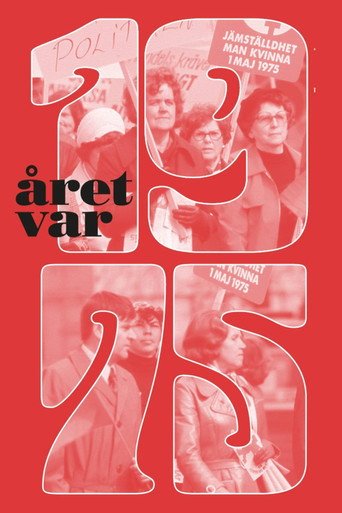
Året var 1975
This is the year when the Vietnam War ends and terrorists take over the West German embassy in Stockholm. On TV, Staffan Westerberg's "Vilse i Pannkakan" coincides with Ingmar Bergman's "The Magic Flute". Despite the cold war, the USA and the Soviet Union take the opportunity to meet - in space! And Davis Cup tennis is played in Båstad. Sweden meets Chile and the police fear riots. This and much more in "The year was 1975" by Jonas Fohlin and Eva Tillberg.
Året var 1971
In the early 1970s, Swedes flock to Mallorca, as Lars Molin debuts on TV, Badjävlar emerges, a hunger strike for jobs begins, and Sweden reacts to the murder of the Yugoslav ambassador. Tjejsnack premieres, "We must raise our voices to be heard" becomes a hit, women's camps are held, a courthouse tragedy occurs in Söderhamn, protests erupt in Stockholm's Kungsträdgården, and Björn Gillberg protests food additives by washing his shirt in milk substitute powder.
Året var 1972
In 1972 the green wave sweeps over Sweden, guiding people back to nature away from the cities. Events range from escalated food prices in Skärholmen, the escape of fifteen prisoners from Kumlaanstalten, Sweden's first hijacking, and an Olympic year in Munich, marked by both Swedish success and tragedy with the attack on 11 Israeli athletes. The year also sees emigration to Australia, refugee intake from Idi Amin's Uganda, sports achievements, music releases, and daily life routines throughout various Swedish towns.
Året var 1970
This is the year with a music party at Gärdet in Stockholm, and Lee Hazlewood and Nina Lizell wonder who can sail before the wind. The Vietnam War continues and the United States is bombing Cambodia. In Stockholm, police officers write in protest against poor conditions and the rockers take the chance to take over the town. During the "cannon race" on the Gellerås track, a fatal accident occurs. Director Roy Andersson's first feature film "En kärlekshistoria" is a must see.
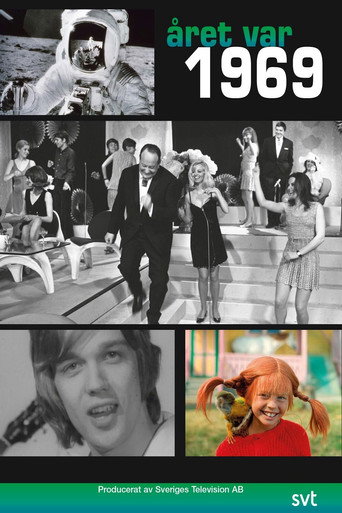
Året var 1969
In the last year of the 60s, history gets the chance to breathe a little after the turbulent 1968. Pippi Longstocking rides into the television sets and the writers demonstrate for more compensation. There is also a space race - where both the Soviet Union and the USA send up their rockets. Towards the end of the year, Sweden finally gets its second TV channel, TV2.
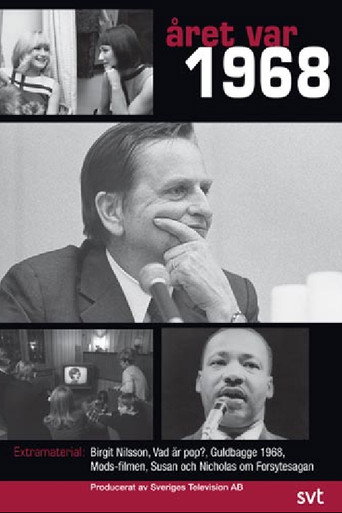
Året var 1968
1968 - the year of riots, fights and protests. And demonstrations: against the Vietnam War, against teenage fairs, against the Davis Cup and even against Christmas. It is also the year of the invasion of Prague, the very last student exam and the assassination of Martin Luther King.
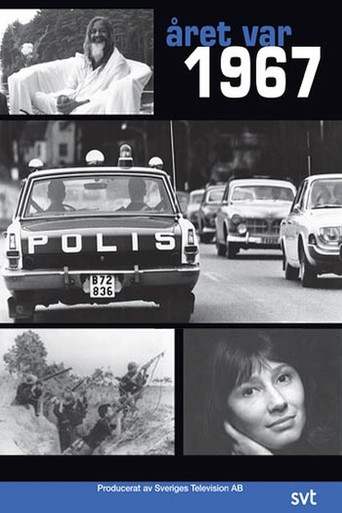
Året var 1967
1967 - the year when Sweden moves to the right, at least in traffic. Maharishi Mahesh Yogi - The Beatles' favorite guru visits Skåne and talks about meditation. The Fåglum brothers receive a feat medal and the fight for space continues. Jimi Hendrix is coming to visit and in December it's time for the Christmas calendar: Teskedsgumman!
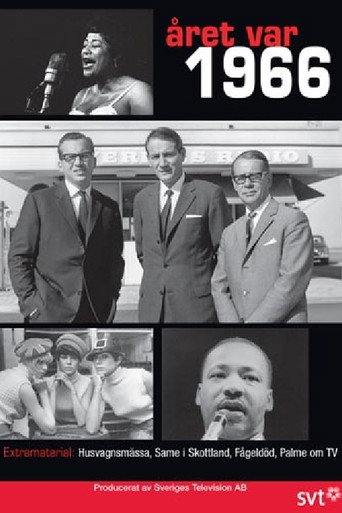
Året var 1966
1966 - when Bob Dylan visits Sweden and Prime Minister Erlander has a difficult time with questions about housing. A special evening at the opera is arranged with Harry Belafonte and Martin Luther King. Esrange is inaugurated and in China the cultural revolution is underway.
Production
Året var 1974
The year begins with an energy crisis and petrol rationing. And there will be parental insurance so that even fathers can stay at home with their children. Cleaners around Sweden are on strike for better conditions. Worry grows for the Swedish tourists in the holiday paradise of Cyprus. That and much more in this column about the year 1974.
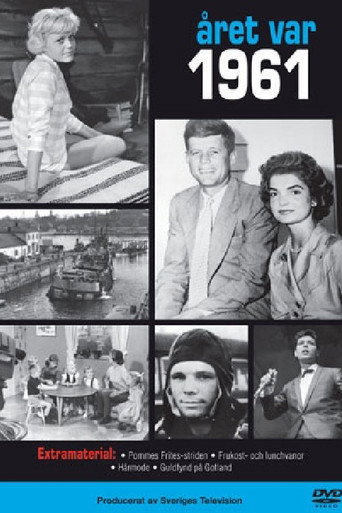
Året var 1961
1961 - the year when Swedish UN soldiers are in the crisis-ridden Congo and Secretary General Dag Hammarskjöld dies in a plane crash. Swedish film's biggest hit, "Are there angels?", has its premiere with Christina Schollin in one of the roles. Yuri Gagarin becomes the first man in space and the Volvo P 1800 appears on the roads. Ewy Rosqvist is a rally ace and in April the regal ship Vasa is lifted up after 333 years at the bottom of Stockholm's stream. In August, the Berlin Wall is built and outside the Stockholm archipelago, Radio Nord broadcasts music and news.
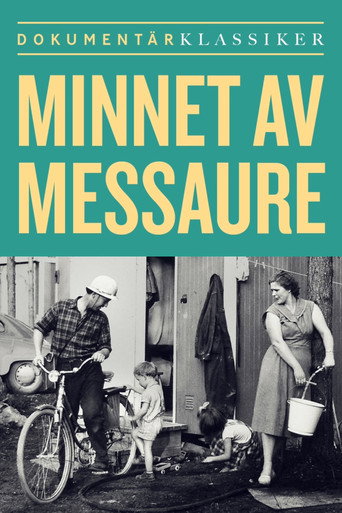
Minnet av Messaure
About the former small town of Messaure in the 1950s, and about its inhabitants.
Minnet av Messaure
About the former small town of Messaure in the 1950s, and about its inhabitants.
Året var 1975
This is the year when the Vietnam War ends and terrorists take over the West German embassy in Stockholm. On TV, Staffan Westerberg's "Vilse i Pannkakan" coincides with Ingmar Bergman's "The Magic Flute". Despite the cold war, the USA and the Soviet Union take the opportunity to meet - in space! And Davis Cup tennis is played in Båstad. Sweden meets Chile and the police fear riots. This and much more in "The year was 1975" by Jonas Fohlin and Eva Tillberg.
Året var 1973
At the end of August 1973, a robber takes hostages at the Kreditbanken at Norrmalmstorg. A week or so later, on September 15, King Gustaf VI Adolf dies in Helsingborg's hospital and Sweden gets a new king: Carl XVI Gustaf. In Chile, the military takes power and the popularly elected president Salvador Allende is overthrown. That and much more in this column about the year 1973.
Året var 1972
In 1972 the green wave sweeps over Sweden, guiding people back to nature away from the cities. Events range from escalated food prices in Skärholmen, the escape of fifteen prisoners from Kumlaanstalten, Sweden's first hijacking, and an Olympic year in Munich, marked by both Swedish success and tragedy with the attack on 11 Israeli athletes. The year also sees emigration to Australia, refugee intake from Idi Amin's Uganda, sports achievements, music releases, and daily life routines throughout various Swedish towns.
Året var 1971
In the early 1970s, Swedes flock to Mallorca, as Lars Molin debuts on TV, Badjävlar emerges, a hunger strike for jobs begins, and Sweden reacts to the murder of the Yugoslav ambassador. Tjejsnack premieres, "We must raise our voices to be heard" becomes a hit, women's camps are held, a courthouse tragedy occurs in Söderhamn, protests erupt in Stockholm's Kungsträdgården, and Björn Gillberg protests food additives by washing his shirt in milk substitute powder.
Året var 1971
In the early 1970s, Swedes flock to Mallorca, as Lars Molin debuts on TV, Badjävlar emerges, a hunger strike for jobs begins, and Sweden reacts to the murder of the Yugoslav ambassador. Tjejsnack premieres, "We must raise our voices to be heard" becomes a hit, women's camps are held, a courthouse tragedy occurs in Söderhamn, protests erupt in Stockholm's Kungsträdgården, and Björn Gillberg protests food additives by washing his shirt in milk substitute powder.
Året var 1972
In 1972 the green wave sweeps over Sweden, guiding people back to nature away from the cities. Events range from escalated food prices in Skärholmen, the escape of fifteen prisoners from Kumlaanstalten, Sweden's first hijacking, and an Olympic year in Munich, marked by both Swedish success and tragedy with the attack on 11 Israeli athletes. The year also sees emigration to Australia, refugee intake from Idi Amin's Uganda, sports achievements, music releases, and daily life routines throughout various Swedish towns.
Gallery