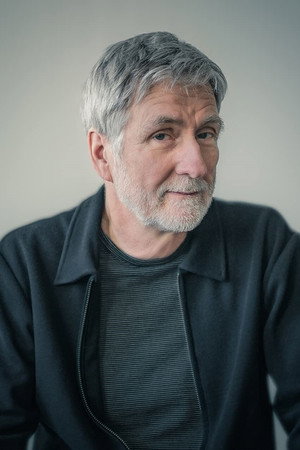
John Walker Movies, TV Shows, and Filmography
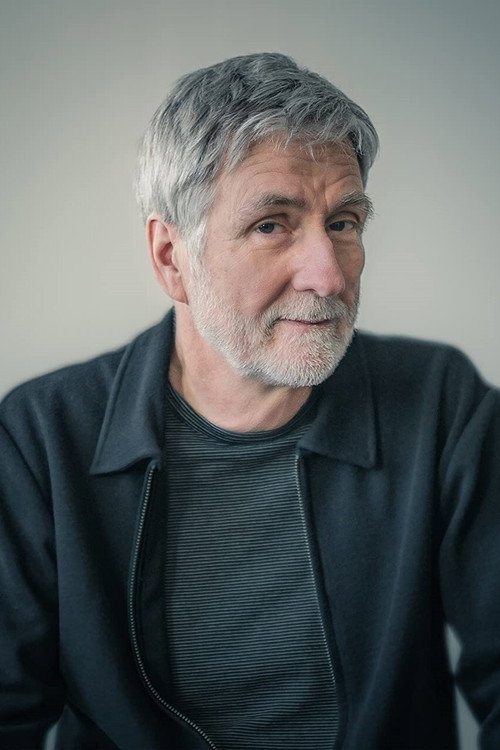
John Walker
Directing
Biography
No biography available.
Filmography Movies
Acting
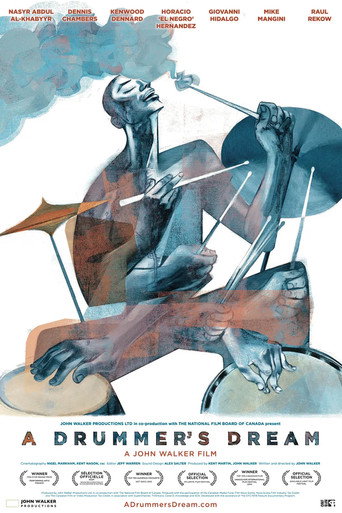
A Drummer's Dream
A rare and unique assembly of some of the greatest drummers in the world. Explosive talent, passion, humour and irresistible personality come together in a magical setting when seven diverse drummers create a profound and unforgettable experience. You've never seen drummers like this before! Featuring Nasyr Abdul Al-Khabyyr, Dennis Chambers, Kenwood Dennard, Horacio "El-Negro" Hernadez, Giovanni Hidalgo, Mike Mangini and Raul Rekow, the film engages us with the rich music styles and influences that are as dynamic as the performers themselves. We are lifted to another dimension as we connect to the powerful forces of nature embodied in the music of these master musicians. The creative and spiritual freedom of expression these artists display is overwhelming - from Latin rhythms to the wildly original compositions of Kenwood Dennard. Rock, jazz, Latin fusion, soul - these master drummers have backed up the likes of Miles Davis, Dizzy Gillespie, Carlos Santana and now - each other.
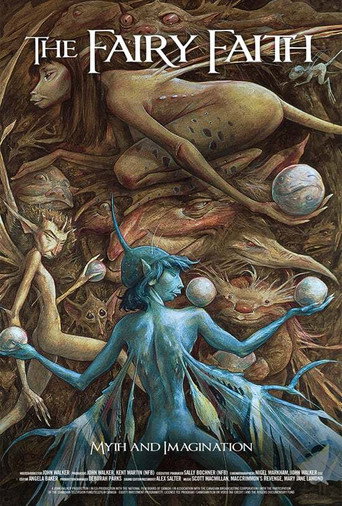
The Fairy Faith
Walker takes us on a personal journey into a world of myth and imagination that he learned from his grandmother. He travels from the Moors of Devon and the Highlands of Scotland to the brooding Celtic landscapes of Ireland and the intimate hills of Cape Breton, in his search of this potent “otherworld” of the imagination.
Production
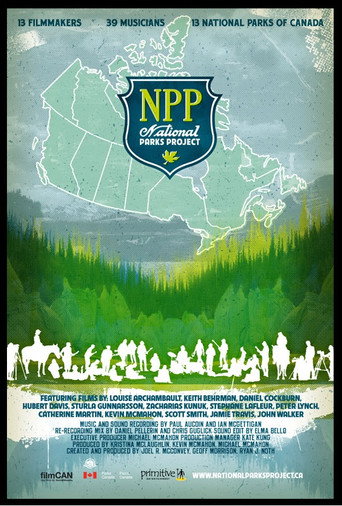
The National Parks Project
In an increasingly urban nation, Canada’s national parks are a treasured escape into extraordinary beauty and rugged wilderness. If the Group of Seven were an introduction to the landscape’s majesty, National Parks Project is the next logical chapter. Fifty-two contemporary artists from across the country, whose talents are as diverse as the parks they set out to explore, used their surroundings as a source of inspiration to blend musical and cinematic skills into collaboratively crafted vignettes. Epic in its ambition to celebrate these locales during Parks Canada’s centennial year, this omnibus film resonates with the knowledge that our unprotected land is more vulnerable than ever. Including films by Zacharius Kunuk, Peter Lynch, Sturla Gunnarsson and John Walker, and music by Sarah Harmer, Sam Roberts, Cadence Weapon and The Besnard Lakes, among many others, National Parks Project is a one-of-a-kind documentary experience.
Arctic Defenders
Canadian territory Nunavut is created.
Buffy
Folk music icon Buffy Sainte-Marie became internationally renowned with her protest song "Universal Soldier." In this short documentary, she candidly discusses her hopes, creative vision and songwriting skills, as well as her role as an Aboriginal activist. Still a vibrant artist fifty years into her career, she keeps her eyes set on the future.
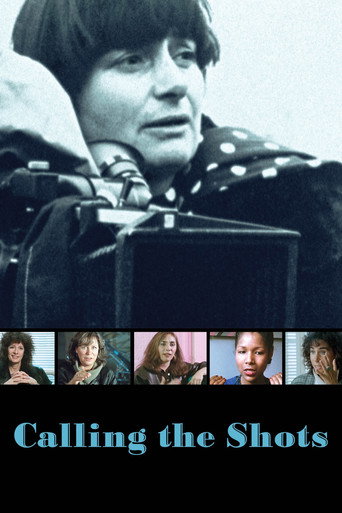
Calling the Shots
Documentary about women in the film industry. Numerous notable actresses and female directors share their thoughts.
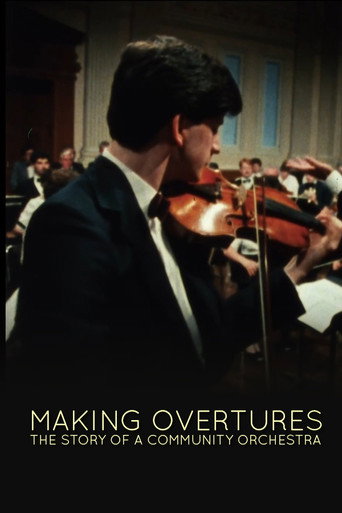
Making Overtures: The Story of a Community Orchestra
Making Overtures: The Story of a Community Orchestra is a 1985 Canadian short documentary film directed by Larry Weinstein. A small-town orchestra and choir are the focus of this loving and humorous portrait. The film unveils the musician's passion for performance, their imaginative fund-raising methods and collective will to survive. This film includes a colorful cast of characters ranging from students to seniors, from business executives to hog farmers. Holding it all together is the outrageously flamboyant conductor who inspires everyone with his endless enthusiasm. Making Overtures reveals how an entire community us enriched by its orchestra. It was nominated for an Academy Award for Best Documentary Short.
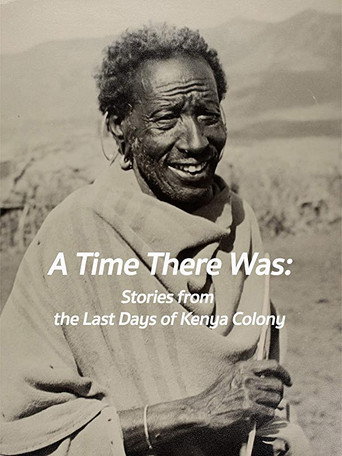
A Time There Was: Stories from the Last Days of Kenya Colony
A look at the Mau Mau Rebellion of the 1950s as experienced by filmmaker Donald McWilliams.
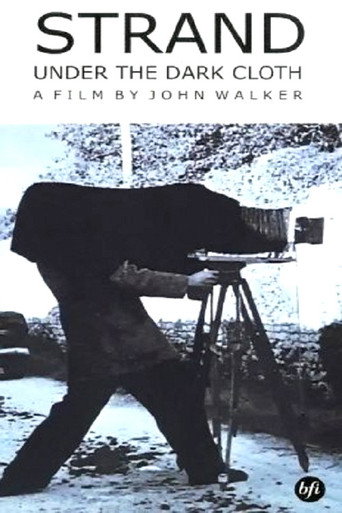
Strand, Under the Dark Cloth
This documentary studies the life and artwork of photographer Paul Strand, using his own compelling photography as well as interviews with his friends, acquaintances and third wife. Documentarian John Walker explores the various influences Strand encountered throughout his life that helped him to develop as an artist. His personal life and relationships are examined and shed light on the inner working of this man who achieved great renown while hiding "under the dark cloth."
Quebec My Country Mon Pays
John Walker grew up an Anglophone in Montreal in the years surrounding Quebec's Quiet Revolution. He witnessed first-hand the upheaval that transformed the political and cultural landscape. In those years, more than 500,000 English-speaking Quebecers left the province, many of them—including Walker—finding their way to Toronto. After decades as a cinematographer and documentary filmmaker, Walker decides to turn his lens on his own story and dig into the heart of the social revolution that shaped his identity. His immediate and extended family express their conflicted feelings about their place in modern Quebec. Others, from a police officer who diffused FLQ bombs to director Denys Arcand, contemplate the issues that drive Quebec's desire for sovereignty. A province's past is informed by personal reflection and Walker's perspective that "my grandmothers taught me that history is a path to understanding and myths and half-truths must be challenged." (Summary by Alexander Rogalski)
Quebec My Country Mon Pays
John Walker grew up an Anglophone in Montreal in the years surrounding Quebec's Quiet Revolution. He witnessed first-hand the upheaval that transformed the political and cultural landscape. In those years, more than 500,000 English-speaking Quebecers left the province, many of them—including Walker—finding their way to Toronto. After decades as a cinematographer and documentary filmmaker, Walker decides to turn his lens on his own story and dig into the heart of the social revolution that shaped his identity. His immediate and extended family express their conflicted feelings about their place in modern Quebec. Others, from a police officer who diffused FLQ bombs to director Denys Arcand, contemplate the issues that drive Quebec's desire for sovereignty. A province's past is informed by personal reflection and Walker's perspective that "my grandmothers taught me that history is a path to understanding and myths and half-truths must be challenged." (Summary by Alexander Rogalski)
Quebec My Country Mon Pays
John Walker grew up an Anglophone in Montreal in the years surrounding Quebec's Quiet Revolution. He witnessed first-hand the upheaval that transformed the political and cultural landscape. In those years, more than 500,000 English-speaking Quebecers left the province, many of them—including Walker—finding their way to Toronto. After decades as a cinematographer and documentary filmmaker, Walker decides to turn his lens on his own story and dig into the heart of the social revolution that shaped his identity. His immediate and extended family express their conflicted feelings about their place in modern Quebec. Others, from a police officer who diffused FLQ bombs to director Denys Arcand, contemplate the issues that drive Quebec's desire for sovereignty. A province's past is informed by personal reflection and Walker's perspective that "my grandmothers taught me that history is a path to understanding and myths and half-truths must be challenged." (Summary by Alexander Rogalski)
Gallery