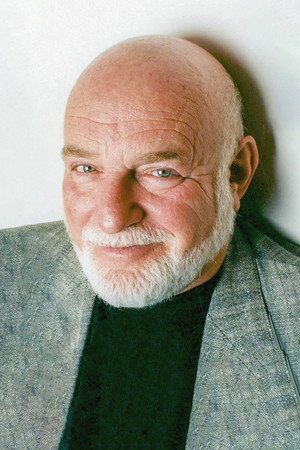
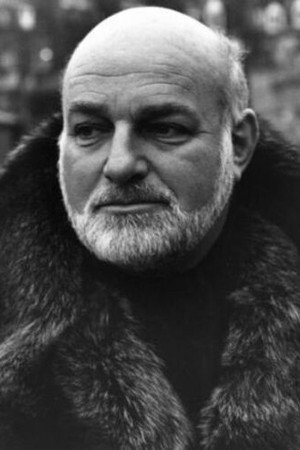
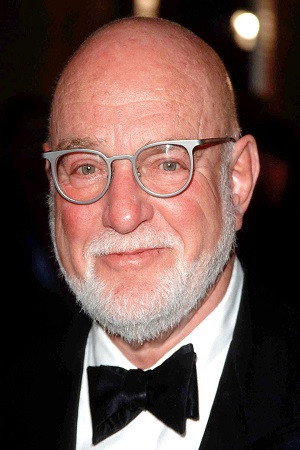
John Schlesinger Movies, TV Shows, and Filmography
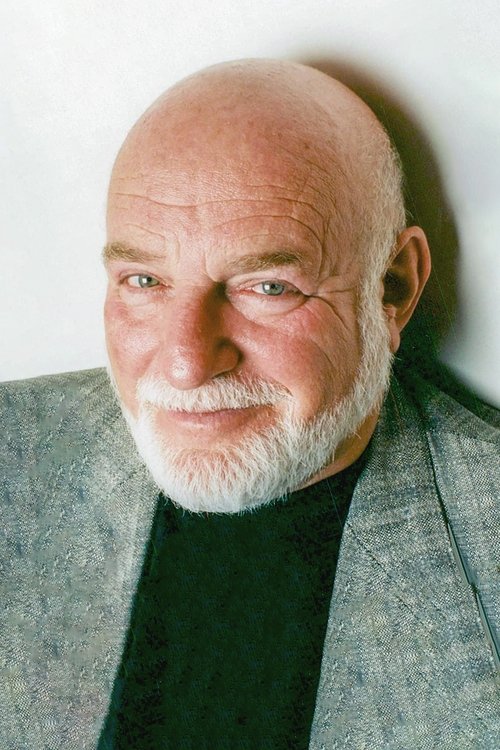
John Schlesinger
Directing
Biography
John Richard Schlesinger, CBE, was an English film and stage director, and actor. He won an Academy Award for Best Director for Midnight Cowboy, and was nominated for two other films (Darling and Sunday Bloody Sunday). Schlesinger was born in London, into a middle class Jewish family. His acting career began in the 1950s and consisted of supporting roles in British films and television productions. He began his directorial career in 1956 with the short documentary Sunday in the Park about London's Hyde Park. In 1958, Schlesinger created a documentary on Benjamin Britten and the Aldeburgh Festival for the BBC's Monitor TV programme, including rehearsals of the children's opera Noye's Fludde featuring a young Michael Crawford. By the 1960s, he had virtually given up acting to concentrate on a directing career, and another of his earlier directorial efforts, the British Transport Films' documentary Terminus (1961), gained a Venice Film Festival Gold Lion and a British Academy Award. His first two fiction films, A Kind of Loving (1962) and Billy Liar (1963) were set in the North of England. A Kind of Loving won the Golden Bear award at the 12th Berlinale in 1962. His third feature film, Darling (1965), tartly described the modern, urban way of life in London and was one of the first films about 'swinging London'. Schlesinger's next film was the period drama Far from the Madding Crowd (1967), an adaptation of Thomas Hardy's popular novel accentuated by beautiful English country locations. Both films (and Billy Liar) featured Julie Christie as the female lead. Schlesinger's next film, Midnight Cowboy (1969), was internationally acclaimed. A story of two hustlers living on the fringe in the bad side of New York City, it was Schlesinger's first film shot in the US, and it won Oscars for Best Director and Best Picture. During the 1970s, he made an array of films that were mainly about loners, losers and people outside the clean world, such as Sunday Bloody Sunday (1971), The Day of the Locust (1975), Marathon Man (1976) and Yanks (1979). Later, came the major box office and critical failure of Honky Tonk Freeway (1981), followed by films that attracted mixed responses from the public From 1973, he was an associate director of the Royal National Theatre, where he produced George Bernard Shaw's Heartbreak House (1975). He also directed several operas, beginning with Les contes d'Hoffmann (1980) and Der Rosenkavalier (1984), both at Covent Garden. Schlesinger was made a Commander of the Order of the British Empire (CBE) for his services to film in 1970. In 2003, a Golden Palm Star on the Palm Springs, California Walk of Stars was dedicated to him.
Filmography Movies
Acting
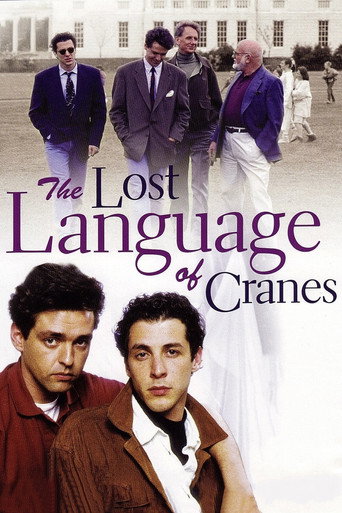
The Lost Language of Cranes
When a young gay man comes out of the closet, his friends support him, but when he comes out to his parents, he stirs up a wealth of hidden feelings and secrets in their relationship.
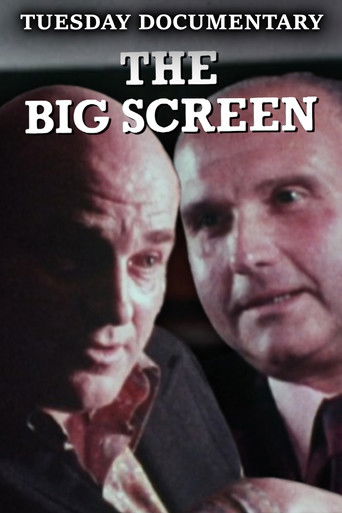
The Big Screen
Two of Britain's leading film directors - John Schlesinger and Gerald Thomas - share the anxiety, hopes and risks experienced by those involved with the movie industry. The Big Screen follows the production of four British films: the eighth James Bond film Live and Let Die, The Optimists of Nine Elms, science fiction-thriller The Final Programme and The 14. Actors Peter Sellers, David Hemmings, Jon Finch, Roger Moore and Jenny Runacre are among those seen at work.
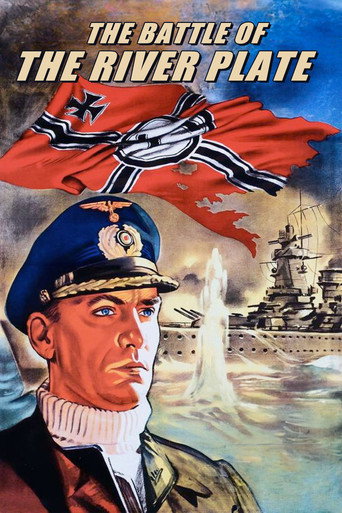
The Battle of the River Plate
In the early years of the World War II, the Royal Navy is fighting a desperate battle to keep the Atlantic convoy routes open to supply the British Isles, facing the great danger posed by the many German warships, such as the Admiral Graf Spee, which are scouring the ocean for cargo ships to sink.
Mythos Hollywood - Das Geheimnis des Erfolgs
Ekchart Schmidt examines the machinery behind the dream factory; the Hollywood myth is unmasked. How does the studio industry work? What role does marketing and the hype surrounding the stars play?
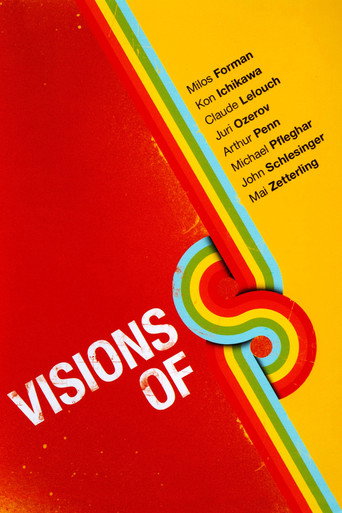
Visions of Eight
Eight acclaimed filmmakers bring their unique and differing perspectives to the 1972 Summer Olympic Games held in Munich. The segments include Lelouch's take on Olympic losers and their struggle to remain dignified even in the face of bitter disappointment and defeat; Zetterling's dramatic exploration of the world of weightlifting; and Pfleghar's piece on young Russian gymnast Ludmilla Tourischev's majestic performance on the uneven bars.
Black Legend
A dramatic retelling of the brutal double murder of Martha Broomham and her son Robert perpetrated by her husband George and his mistress Dorothy Newman on 23 February 1676.
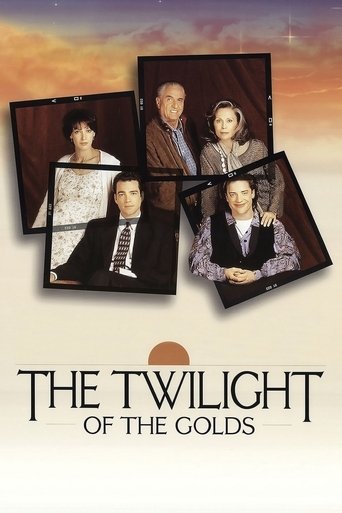
The Twilight of the Golds
A woman discovers her unborn baby has a genetic predisposition to homosexuality, unwittingly exposing deep-seated prejudices within her family.
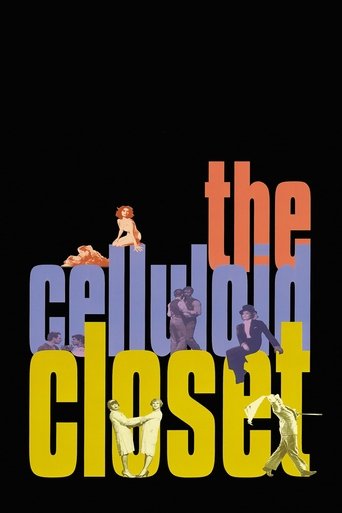
The Celluloid Closet
Exuberant, eye-opening movie that serves up a dazzling hundred-year history of the role of gay men and lesbians have had on the silver screen. Film contains fabulous footage from 120 films showing the changing face of cinema sexuality, from cruel stereotypes to covert love to the activist triumphs of the 1990s.
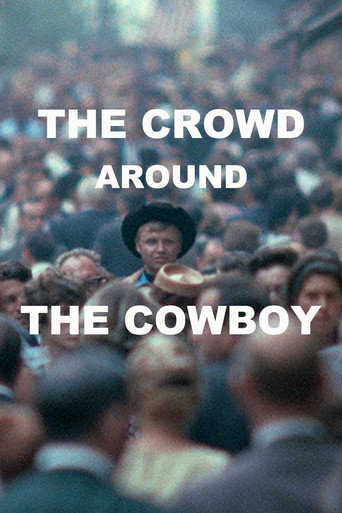
The Crowd Around the Cowboy
A short documentary made on location during the filming of John Schlesinger's 1969 film "Midnight Cowboy."
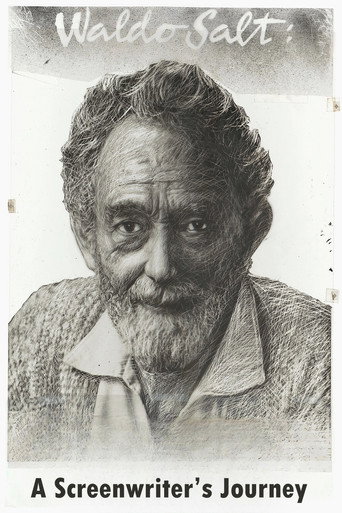
Waldo Salt: A Screenwriter's Journey
Documentary is about the life and work of American screenwriter Waldo Salt who won two Academy Awards and was put on the Hollywood blacklist in the 1950s. The story is told through interviews with collaborators and friends such as Dustin Hoffman, Robert Redford, Jon Voight, John Schlesinger and with clips from Salt's films, chiefly Midnight Cowboy.
Production
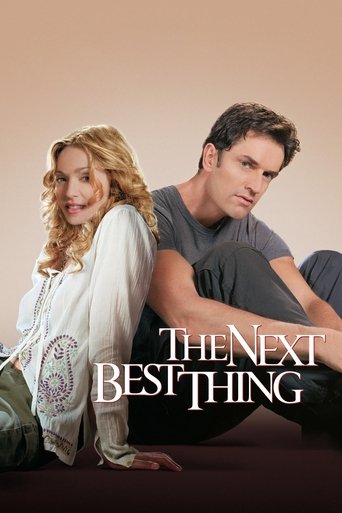
The Next Best Thing
A comedy-drama about best friends - one a straight woman, Abbie, the other a gay man, Robert - who decide to have a child together. Five years later, Abbie falls in love with a straight man and wants to move away with her and Robert's little boy Sam, and a nasty custody battle ensues.
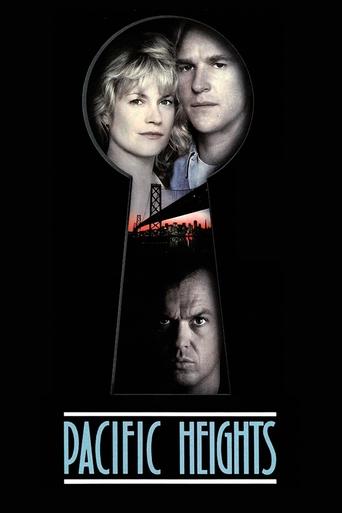
Pacific Heights
A couple works hard to renovate their dream house and become landlords to pay for it. Unfortunately one of their tenants has plans of his own.
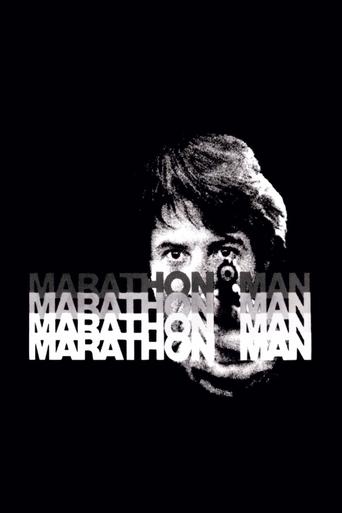
Marathon Man
A graduate student and obsessive runner in New York is drawn into a mysterious plot involving his brother, a member of the secretive Division.
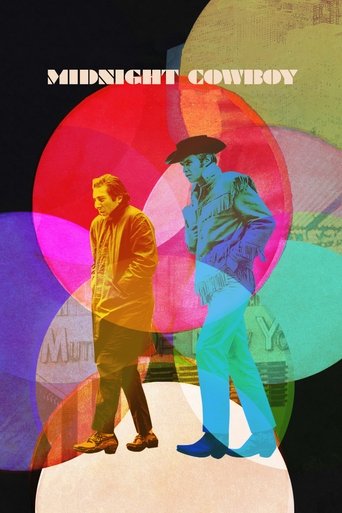
Midnight Cowboy
Joe Buck is a wide-eyed hustler from Texas hoping to score big with wealthy New York City women; he finds a companion in Enrico "Ratso" Rizzo, an ailing swindler with a bum leg and a quixotic fantasy of escaping to Florida.
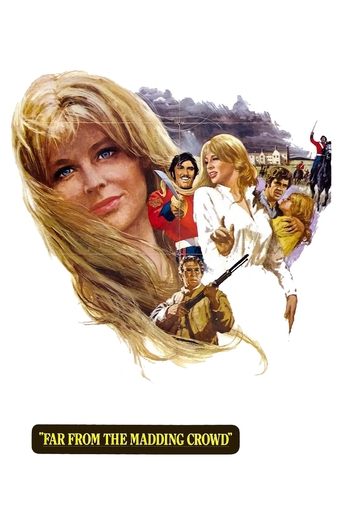
Far from the Madding Crowd
Bathsheba Everdine, a willful, flirtatious, young woman, unexpectedly inherits a large farm and becomes romantically involved with three widely divergent men.
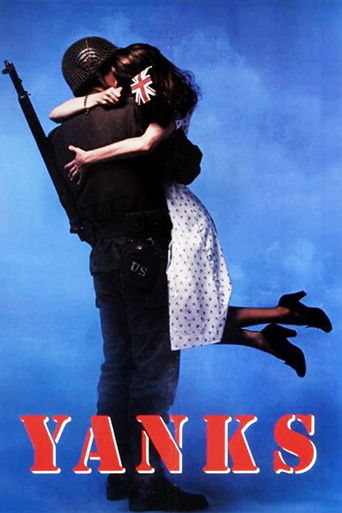
Yanks
During WWII, the United States set up army bases in Great Britain as part of the war effort. Against their proper sensibilities, many of the Brits don't much like the brash Yanks, especially when it comes to the G.I.s making advances on the lonely British girls. One relationship that develops is between married John, an Army Captain, and the aristocratic Helen, whose naval husband is away at war. Helen loves her husband, but Helen and John are looking for some comfort during the difficult times.
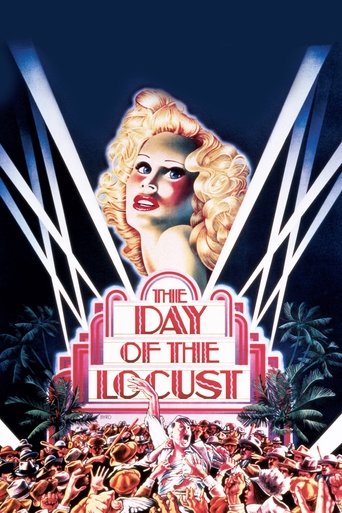
The Day of the Locust
Hollywood, 1930s. Tod Hackett, a young painter who tries to make his way as an art director in the lurid world of film industry, gets infatuated with his neighbor Faye Greener, an aspiring actress who prefers the life that Homer Simpson, a lone accountant, can offer her.
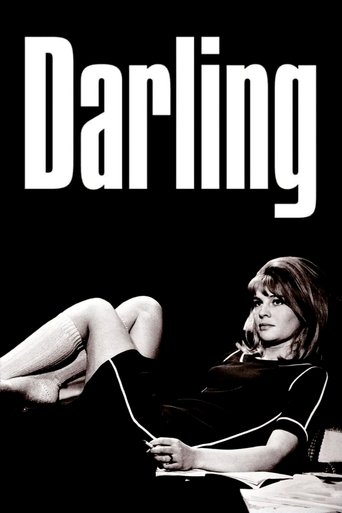
Darling
Diana, a beautiful but shallow and easily distracted model and failed actress, toys with the affections of several men while attempting to gain fame and fortune in Swinging London.
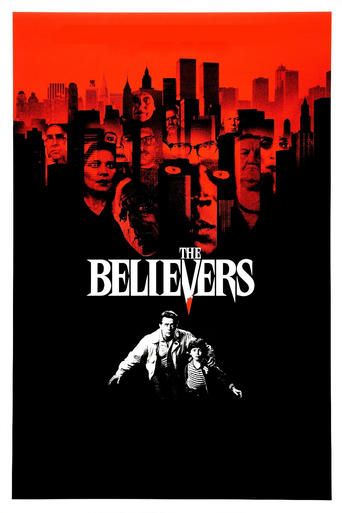
The Believers
Mourning the accidental death of his wife and having just moved to New York with his young son, laconic police psychologist Cal Jamison is reluctantly drawn into a series of grisly, ritualistic murders involving the immolation of two youths.
The Believers
Mourning the accidental death of his wife and having just moved to New York with his young son, laconic police psychologist Cal Jamison is reluctantly drawn into a series of grisly, ritualistic murders involving the immolation of two youths.
Gallery