John Price Movies, TV Shows, and Filmography
John Price
Acting
Biography
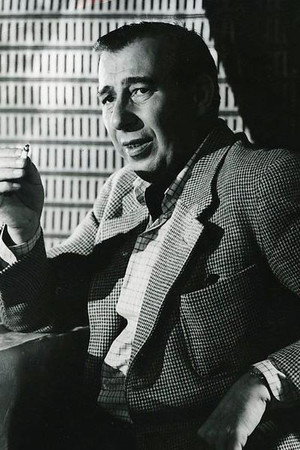
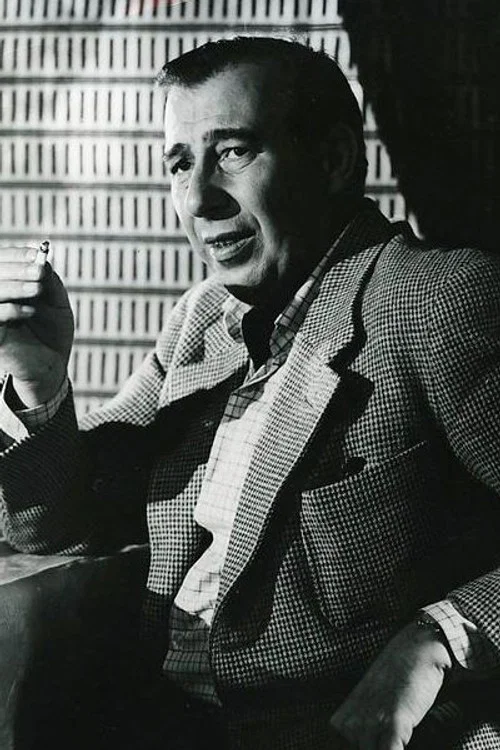
John Price was born on September 15, 1913 in Denmark. He was a director and actor, known for Valsedrømme (1967), Duellen (1962) and Naboerne (1966). He was married to Birgitte Price, Vivian Schepeler and Beatrice Bonnesen. He died on December 10, 1996 in Denmark.
Filmography Movies
Acting
Rasmines bryllup
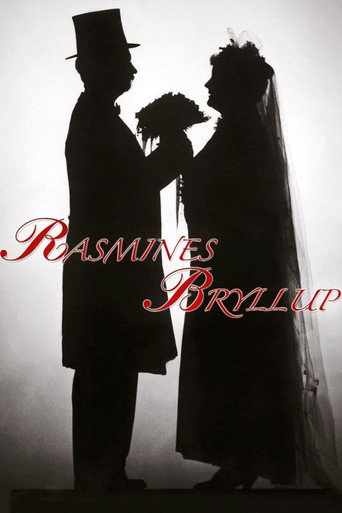
In a small street on the outskirts of town, there are two small shops next to each other: Nummesen's herbalist's shop and Mikkelsen's plumber's shop. Nummesen, the little quirky, friendly herbalist, loves to tease the choleric Mikkelsen. Mikkelsen wants to sell the shop, mostly because the economy is bad after his former Svend, Vilhelm, left it. Now Vilhelm is coming back, to the great joy of Mikkelsen's daughter, who is in love with Vilhelm.
Den kyske levemand
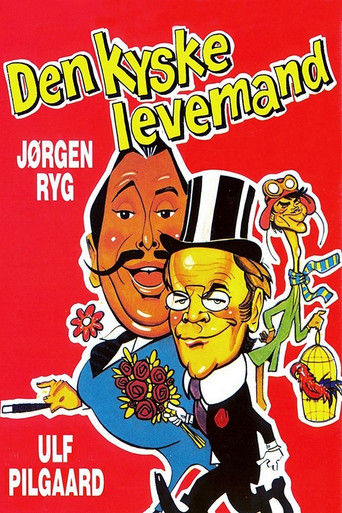
Bolsche manufacturer Basse wants his daughter to marry the boring Bumbach. In an attempt to spruce up Bumbach's image a little, Basse invents an affair that Bumbach is supposed to have had with the actress Ria Ray. His daughter immediately becomes more interested in her suitor, and the plan seems to be working, until the real Ria Ray shows up, to everyone's surprise.
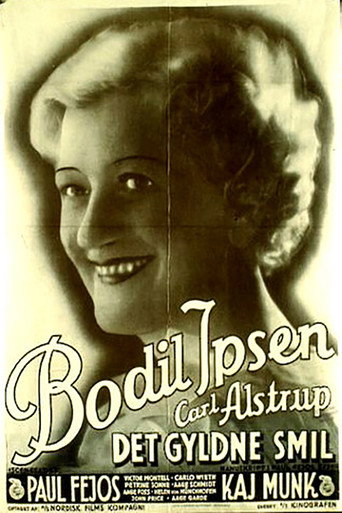
The Golden Smile
The celebrated operetta prima donna Elsa Bruun is famous nationwide for her amazing smile. One day she is approached by a shabby man who pushes a script on her. Without wanting to, Elsa becomes deeply involved in the story, which becomes her path to a renewed understanding of life, which must be lived out even if it may cost her trademark: the golden smile.
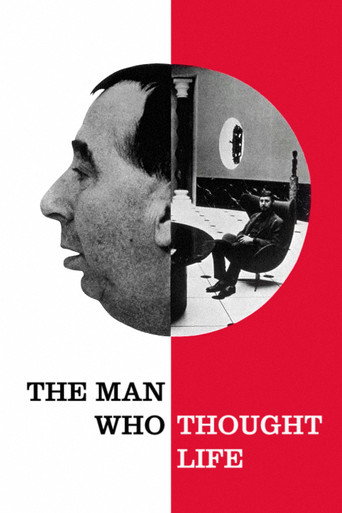
The Man Who Thought Life
The mysterious Mr. Steinmetz has acquired the ability to create things and beings by will alone. Only, after a while his creations invariably disappear. He therefore approaches a famous brain surgeon, Max Holst, who he hopes can help him with this problem. When Max refuses, Steinmetz brings his doppelgänger into being to replace him.
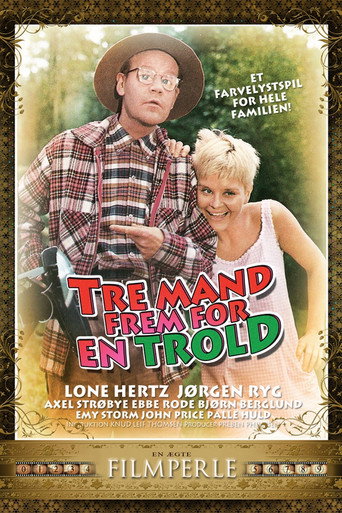
Tre mand frem for en trold
An amateur photographer has accidentally captured something special in a landscape photo from Sweden, something that an alert journalist could turn into a good story. Something that looks like a troll. The magazine, seeing an opportunity for a snappy report, funds an expedition to the supposed troll's lair, and in addition to the photographer and journalist, a skeptical folklorist joins the trip.
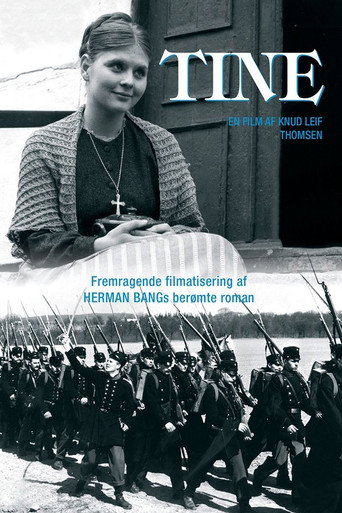
Tine
Danish melodrama about a housemaid struggling to find normalcy and love in the midst of war.
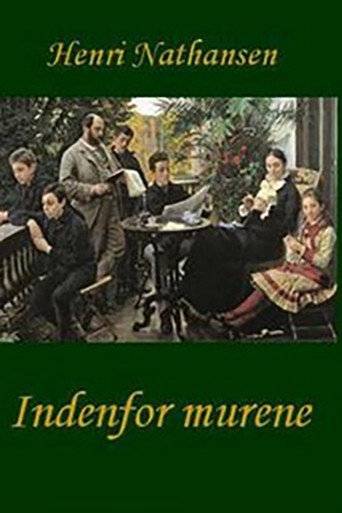
Indenfor murene
In an old Jewish family in Copenhagen, with its loyalty and close-knit community, there are some challenges when they run into the world outside their family circle.
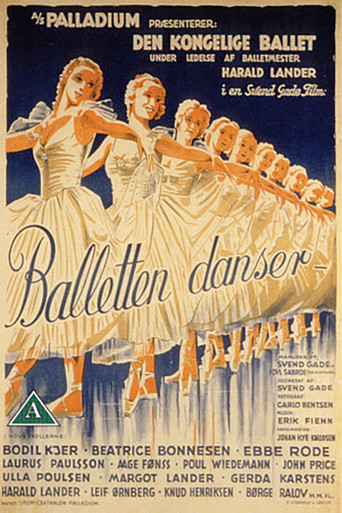
Balletten danser
The painter Jørgen has talent but no luck. His upstairs neighbor is a ballet dancer and may not have much talent, but she does have good luck. Director Bang promises her that he will support her theater if she takes the lead role herself. Else is not particularly enthusiastic about the arrangement and Bang's courtship. Jørgen also has his eye on the beautiful girl, but is too shy to speak out. He's not happy about the development either.
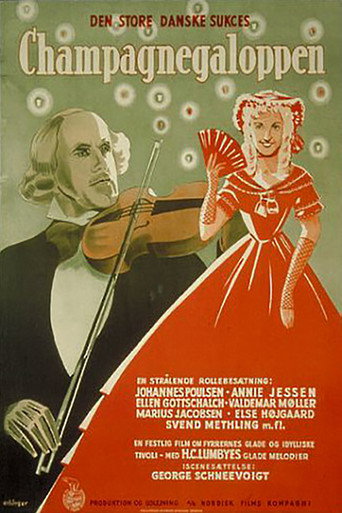
Champagnegaloppen
Tivoli has just opened and all of Copenhagen is on edge over the beautiful garden and not least the fantastic music. One evening, the young woman Amalie visits the amusement park with her wealthy parents. Here she meets the young musician Jens, and the two fall in love immediately. But the villainous Baron von Listow also has a good eye for Amalie and not least the family fortune.
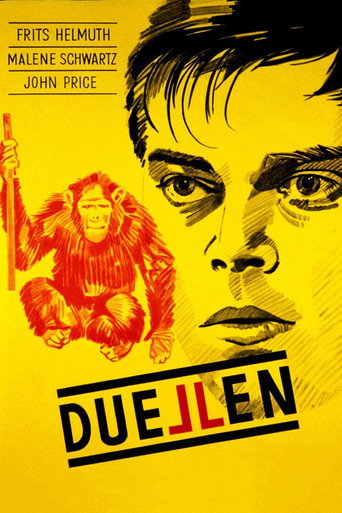
Duellen
A sort of forerunner to Hollywood's Boogie Nights (1997), this Danish melodrama is set in the world of strip clubs. A medical student (Frits Helmuth) earns money for tuition working in a burlesque joint. He falls for one of the girls (Malene Schwarz), but she is also involved with a movie director (John Price). The director and Helmuth get into a philosophical debate about love and Darwinism, and the film ends with a duel (the film's title). Duellen was met with mostly incomprehension when it premiered and is no more lucid when viewed today. The striptease scene featuring full-frontal nudity is tame by modern standards.
Production
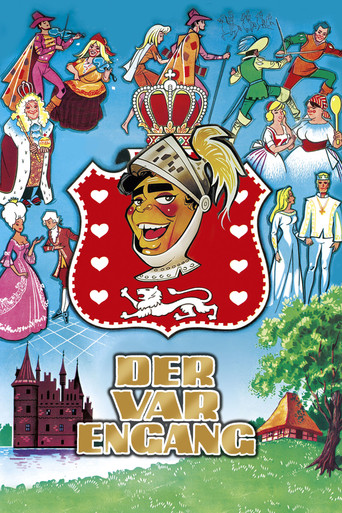
Der var engang
The princess of Illyria, who has rejected all the fine suitors who have proposed to her, begins to take an interest in a gypsy who wanders around near the castle and who is in fact none other than the prince of Denmark with his friend, Kasper Røghat. The prince entices her with his magical toys, a rattle and a copper kettle, the price being a kiss and a night in the princess's chamber. Casper the Dwarf makes sure that the king is informed of the 'affair', and the princess is thrown out by her father.
Barselstuen
Old Corfitz and his young wife are plagued by all the visitors who fill their house to wish them luck. But the worst thing for Corfitz is the uncertainty: Is he the father of the child? TV version of Ludvig Holberg's comedy from 1723.
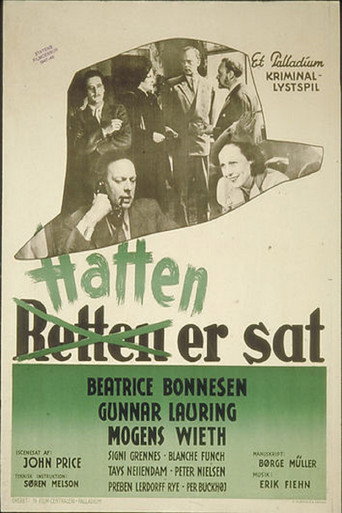
Hatten er sat
Detective Peter Smeth and his young and charming wife, Louise, visit Magasin Heiberg, where, at his wife's express request, he is to buy himself a new hat. He is not amused by the idea, but there is no getting out of it. Suddenly, however, an event occurs that causes the couple to change their minds. The daughter of the store's owner, Inge Heiberg, is found unconscious in the store's courtyard, and Peter and Louise rush to her aid. The fainting spell turns out to be shrouded in mystery.
En nat i Venedig
The Duke arrives in Venice. Senator Delacqua fears being cuckolded, so he sends his wife away. When he finds out that the Duke wants to hire a court administrator, he sends his cook instead of his wife to meet the Duke. Meanwhile, Annima, who is a fisherman's daughter, arrives at the Duke's residence as Delacqua's wife. Delacqua's real wife is staying with her husband's nephew, who is also her lover. Annima's and the cook's boyfriends also appear on stage. They want to please the Duke, but at the same time, they don't want anything to happen to their girlfriends.
Der var engang
The princess of Illyria, who has rejected all the fine suitors who have proposed to her, begins to take an interest in a gypsy who wanders around near the castle and who is in fact none other than the prince of Denmark with his friend, Kasper Røghat. The prince entices her with his magical toys, a rattle and a copper kettle, the price being a kiss and a night in the princess's chamber. Casper the Dwarf makes sure that the king is informed of the 'affair', and the princess is thrown out by her father.
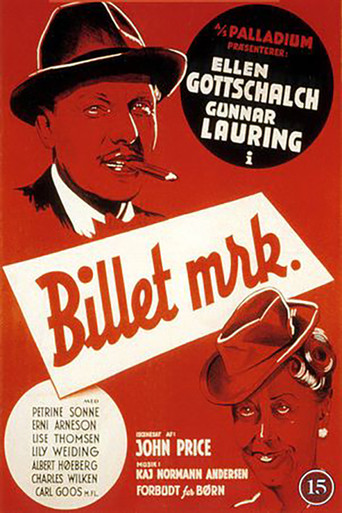
Billet mrk.
Marie Jantzen is in her forties and, thanks to hard work and common sense, the owner of a successful dry cleaning business. Although she is successful and has money in the bank, she feels cheated by life, as she has neither a husband nor children. In an attempt to make amends, she responds to a marriage advertisement and comes into contact with the charming Georg Tingbo, who unfortunately turns out to have a few skeletons in his closet.
Billet mrk.
Marie Jantzen is in her forties and, thanks to hard work and common sense, the owner of a successful dry cleaning business. Although she is successful and has money in the bank, she feels cheated by life, as she has neither a husband nor children. In an attempt to make amends, she responds to a marriage advertisement and comes into contact with the charming Georg Tingbo, who unfortunately turns out to have a few skeletons in his closet.
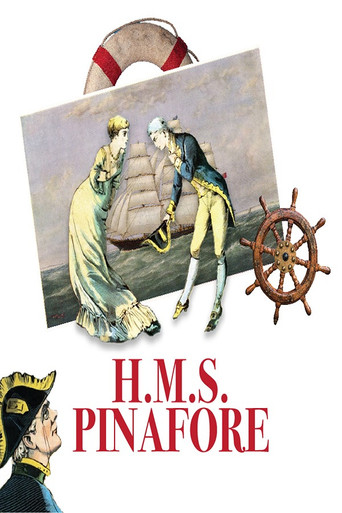
H.M.S. Pinafore
Captain's daughter Josephine and common sailor Ralph Rackstraw are in love. However, their relationship is complicated by her arranged marriage to the high-ranking Sir Joseph Porter. A secret about the characters' true identities revealed by Little Buttercup, which leads to a farcical resolution.
H.M.S. Pinafore
Captain's daughter Josephine and common sailor Ralph Rackstraw are in love. However, their relationship is complicated by her arranged marriage to the high-ranking Sir Joseph Porter. A secret about the characters' true identities revealed by Little Buttercup, which leads to a farcical resolution.
Gallery