Directing
No biography available.
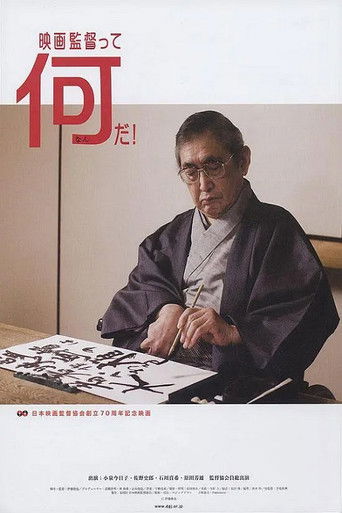
Works commemorating the 70th anniversary of the founding of Japan mapping Supervision Association
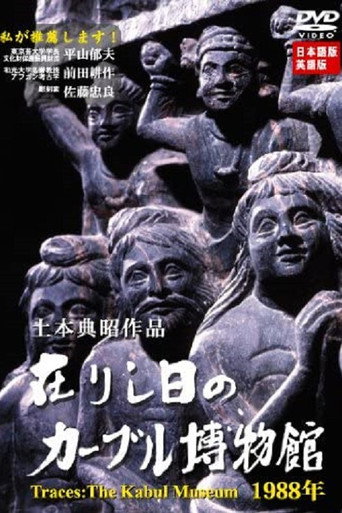
The Kabul National Museum, once known as the "face of Afghanistan," was destroyed in 1993. We filmed the most important cultural treasures of the still-intact museum in 1988: ancient Greco-Roman art and antiquitied of Hellenistic civilization, as well as Buddhist sculpture that was said to have mythology--the art of Gandhara, Bamiyan, and Shotorak among them. After the fall of the Democratic Republic of Afghanistan in 1992, some seventy percent of the contents of the museum was destroyed, stolen, or smuggled overseas to Japan and other countries. The movement to return these items is also touched upon. The footage in this video represents that only film documentation of the Kabul Museum ever made.
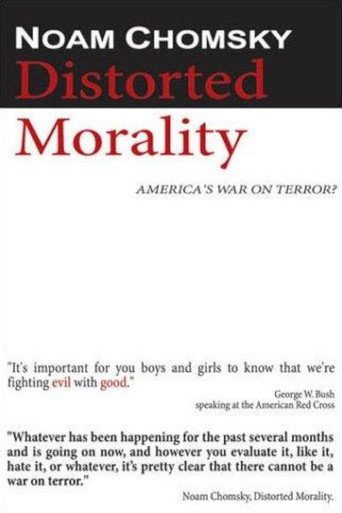
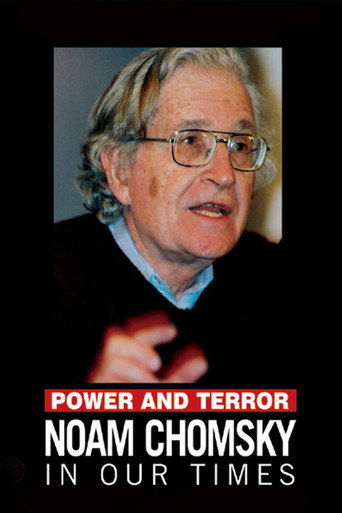
In this remarkable documentary, Noam Chomsky offers a riveting but devastating critique of America's current war on terror arguing, in fact, that it is a logistical impossibility for such a war to be taking place. Professor Chomsky presents his reasoning with astonishing and refreshing clarity, drawing from a wealth of historical knowledge and analysis. "Only those who are entirely ignorant of modern history will be surprised by the course of events, or by the justifications that are provided..."
This documentary compiles a series of Noam Chomsky's interviews and lectures that address the events of 9/11.
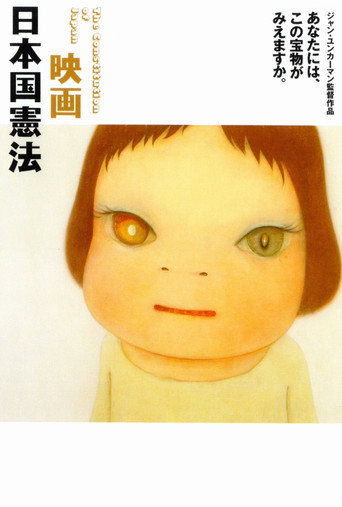
In 2005, sixty years after the end of World War II, the conservative Japanese government is pressing ahead with plans to revise the nation's constitution and jettison its no-war clause, Article 9. This documentary places the ongoing debate over the constitution in an international context:
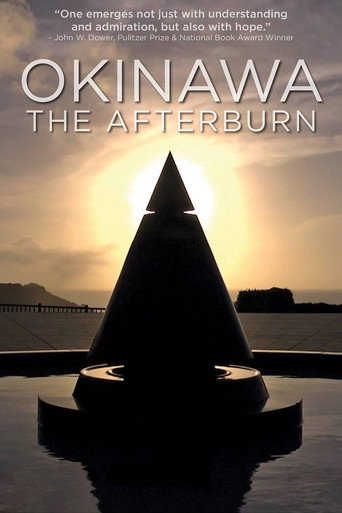
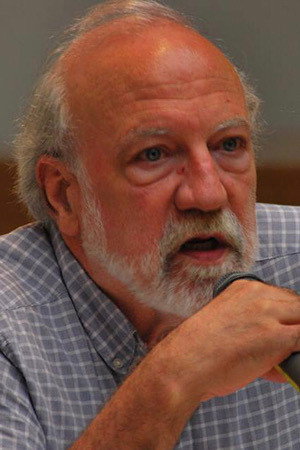
On April 1, 1945, the United States military launched its invasion of the main island of Okinawa, the start of a battle that was to last 12 weeks and claim the lives of some 240,000 people. This film depicts the Battle through the eyes of Japanese and American soldiers who fought each other on the same battlefield, along with Okinawa civilians who were swept up in the fighting. The film also depicts the history of discrimination and oppression forced upon Okinawa by the American and Japanese governments. Carrying up to the current controversy over the construction of a new base at Henoko, the film explores the root causes of the widespread disillusionment and anger expressed by many Okinawans. This ambitious documentary was directed by the American John Junkerman, long-term resident of Japan and Oscar-nominated documentary filmmaker. Okinawa: The Afterburn is a heartfelt plea for peace and an expression of deep respect for the unyielding spirit of the Okinawa people.
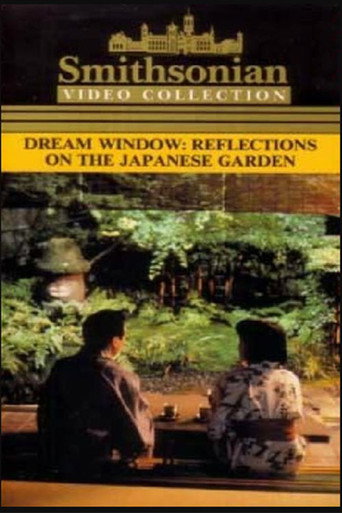
Exquisite exploration of landscape and Toru Takemitsu's music for a Japanese moss garden.
Fifty years ago, Rachel Carson’s Silent Spring warned of the danger of widespread use of pesticides, helping to launch the environmental movement in the US. Around the same time, the US military began to spray defoliants in Vietnam to deny cover to guerrilla forces. The defoliants, including Agent Orange, were contaminated with the deadly toxin, dioxin. Agent Orange continues to affect the children and grandchildren of those exposed in Vietnam and America to this day.