John Hanson Movies, TV Shows, and Filmography
John Hanson
Directing
Biography
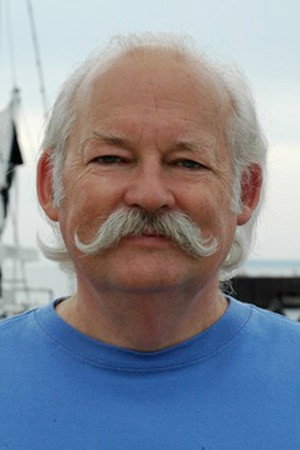
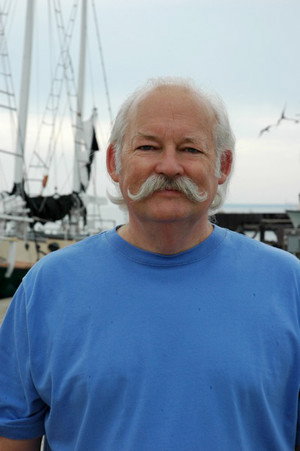
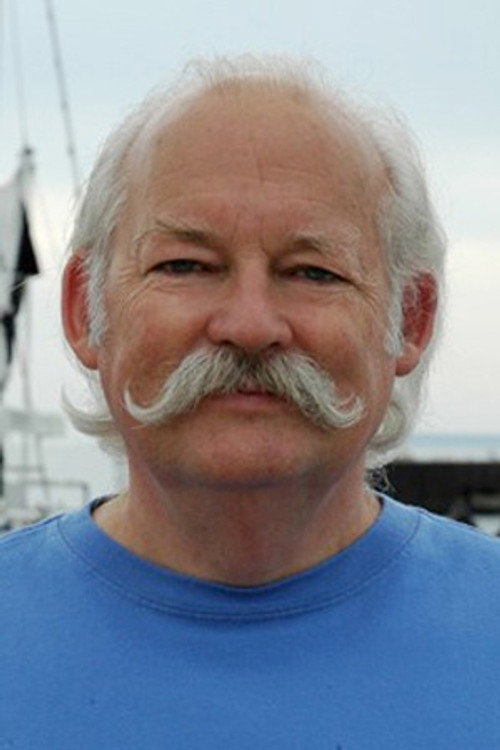
From Wikipedia, the free encyclopedia. Born in St. Paul, Minnesota in 1942 and raised in McClusky, North Dakota, Hanson graduated from Phillips Exeter Academy, received his B.A. from Carleton College, and did postgraduate studies in architecture at the Harvard Graduate School of Design. He began his career in film, going on to direct the motion pictures Northern Lights, Wildrose, and Shimmer, and numerous film, video and television documentaries. His films have been shown at film festivals around the world, including Venice, Berlin, London, Toronto, New York, Chicago, Sundance and Cannes, where Northern Lights won the Caméra d'Or award at the Cannes Film Festival for Best First Feature of 1979. In addition to many other film awards, he received the Distinguished Achievement Award from Carleton College and an Honorary Doctorate of Humane Letters from Northland College. He is past chair and current board member of the Wisconsin Humanities Council. He was a founding member of Cine Manifest, a seminal independent film collective in San Francisco and the Independent Feature Project. He lives in Bayfield, Wisconsin.
Filmography Movies
Acting
Cine Manifest
With David Schickele's dreamy, retro soundscape, CINE MANIFEST captures a resilient group of artists reminiscing about a time when people weren't afraid to fight for their ideals, while also creating a stirring tribute to American independent filmmaking.
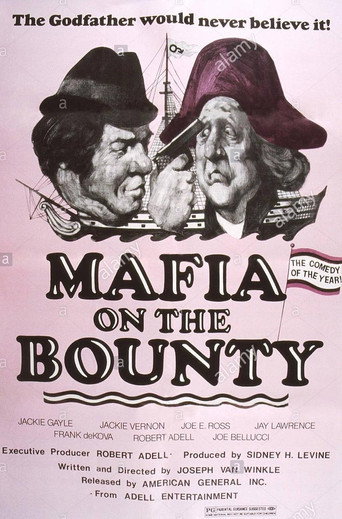
Mafia on the Bounty
A mob boss' plan to rub out his competition runs into trouble when his boat is attacked by a group of gay rights activists whose leader believes he is the legendary Captain Bligh .
Production
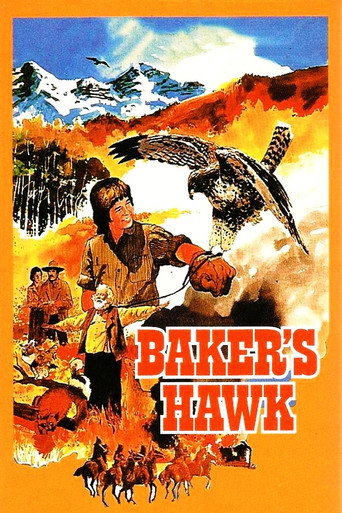
Baker's Hawk
When a young boy nurses an injured hawk back to health, he gains newfound courage and confidence on his own.
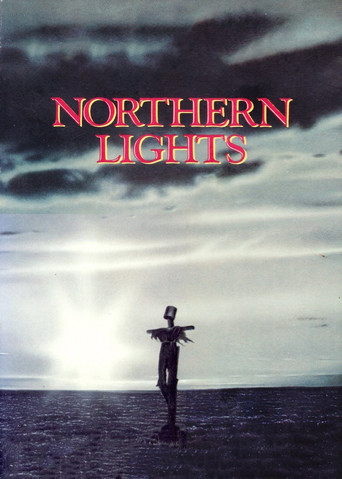
Northern Lights
The bittersweet story of young lovers caught up in a political struggle waged by farmers against the grain trade, the banks, and the railroads. Set in 1915–16 North Dakota, a largely forgotten era of American history.
Northern Lights
The bittersweet story of young lovers caught up in a political struggle waged by farmers against the grain trade, the banks, and the railroads. Set in 1915–16 North Dakota, a largely forgotten era of American history.
Northern Lights
The bittersweet story of young lovers caught up in a political struggle waged by farmers against the grain trade, the banks, and the railroads. Set in 1915–16 North Dakota, a largely forgotten era of American history.
Northern Lights
The bittersweet story of young lovers caught up in a political struggle waged by farmers against the grain trade, the banks, and the railroads. Set in 1915–16 North Dakota, a largely forgotten era of American history.
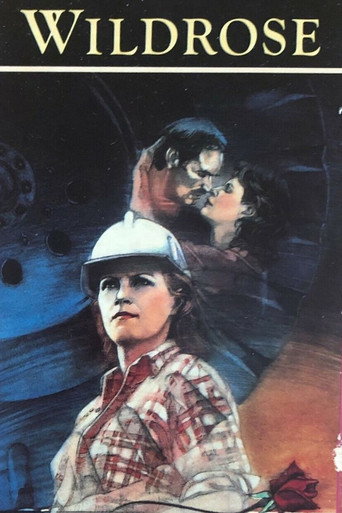
Wildrose
June Lorich works at the Mesabi Mine on Minnesota's iron range. After an emotionally and physically abusive marriage, June is determined to make it on her own. But the worsening steel industry forces major cutbacks and June is bumped down to an all-male pit. She becomes the brunt of the other workers' hostilities and is forced to fight against them -- and the man she loves -- to save her job.
Wildrose
June Lorich works at the Mesabi Mine on Minnesota's iron range. After an emotionally and physically abusive marriage, June is determined to make it on her own. But the worsening steel industry forces major cutbacks and June is bumped down to an all-male pit. She becomes the brunt of the other workers' hostilities and is forced to fight against them -- and the man she loves -- to save her job.
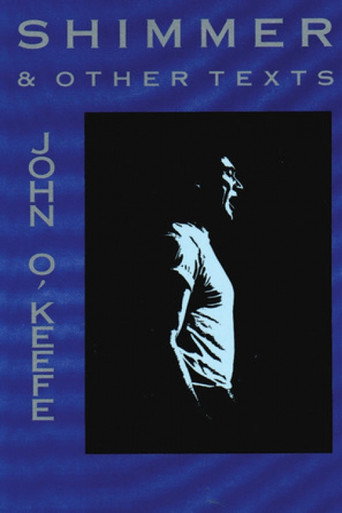
Shimmer
The solo actor in Shimmer tells the story by becoming each character in turn. The play takes place in 1956, in a harsh Midwestern juvenile detention center, where two boys befriend each other.
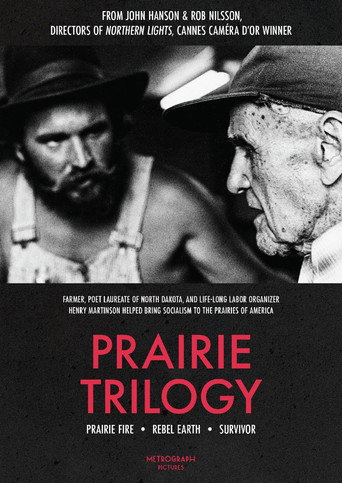
Prairie Fire
The first segment of what would eventually be the Prairie Trilogy, about veteran North Dakota poet and socialist organizer Henry Martinson, who fought against economic exploitation. Martinson recounts the 1916 birth of the Socialist Nonpartisan League, his narrative accompanied by images shot by Nilsson’s own grandfather, Frithjof Holmboe.
Rebel Earth
Henry Martinson accompanies a young North Dakota farmer searching for the sites of his past. The second part of John Hanson and Rob Nilsson's Prairie Trilogy.
Gallery