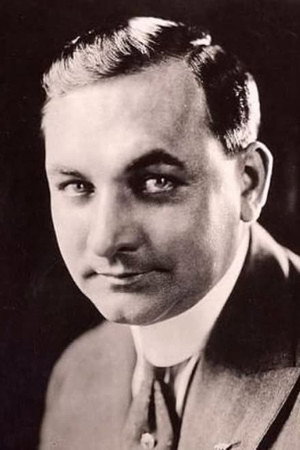
John G. Adolfi Movies, TV Shows, and Filmography
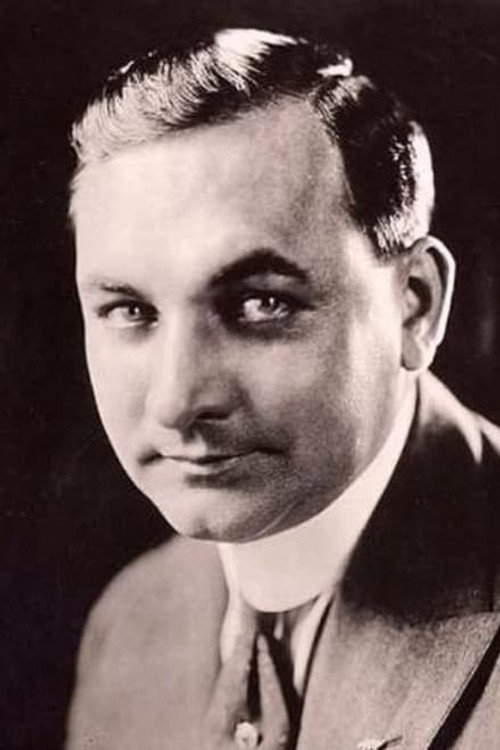
John G. Adolfi
Directing
Biography
Entering films as an actor in 1910, John G. Adolfi soon switched careers and became a director. He turned out numerous, mostly low-budget films for minor companies, but every so often got a chance to work at a big studio like Fox.
Filmography Movies
Acting
When Dreams Come True
The young owners of a California orange grove loved each other, but they were unhappy because their lives were so narrow and circumscribed. Each dreamed of wealth and prayed continually that it might come. Sometimes dreams come true and in this particular case they did. Wealth came to the couple and they were in a position to gratify their every fancy.
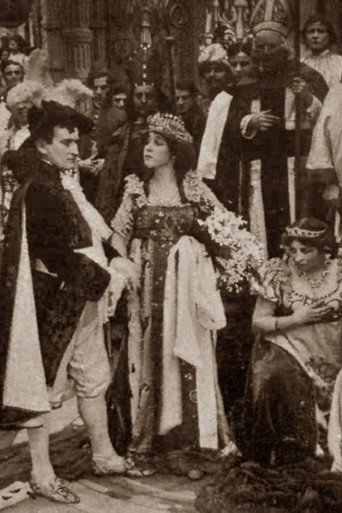
Napoleon, the Man of Destiny
Part two of Blackton's "The Life of Napoleon". After Waterloo, Napoleon reminisces. His triumphs are seen in flashback. The film ends with the exiled Napoleon overlooking the beach of St. Helena.
The Musician's Daughter
Carl Wagner's good wife was dying. His heart bled at the thought of losing her, his life-long loyal helpmate. And his opera was almost completed, after spending months of weary hours to make it perfect. A pretty daughter tried in vain to brighten the overhanging gloom. Finally the composer, after a superhuman effort, and with a soul filled with sorrow, finished the last act of his score and hurried away to the impresario for a hearing. Here he was assured of an immediate reading and the return to his humble tenement was made with a much lighter heart. The doctor paid another visit to his patient and left a prescription to be filled. Carl reached home and realized how much depended upon the medicine ordered to possibly save a life most dear. Taking his cherished violin, the only article of value remaining, he rushed off to the pawnbroker and negotiated a loan.
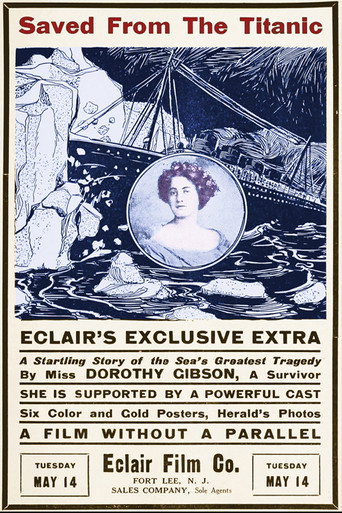
Saved from the Titanic
A young woman tells her parents and fiance (in flashback) about the recent sinking of the Titanic and her experiences as a passenger during the disaster. Her intended marriage now faces a new hazard because her fiance is a sailor and her parents have just been reminded of the dangers of the sea. Premiering in the United States just 29 days after the event, it is the earliest dramatization about the tragedy.
The Fight for Freedom
In a saloon in a Mexican border town, a group of cowboys, including a Mexican named Pedro, play poker. One man is discovered cheating, and is shot dead by Pedro, who is wounded as he attempts to escape. Pedro is followed home by the local sheriff, who proves the next victim of Pedro's quick temper and pistol. Pedro's wife, Juanita, is thrown into jail, but he manages to break her out. They head for the border, unaware that a posse is waiting for them.
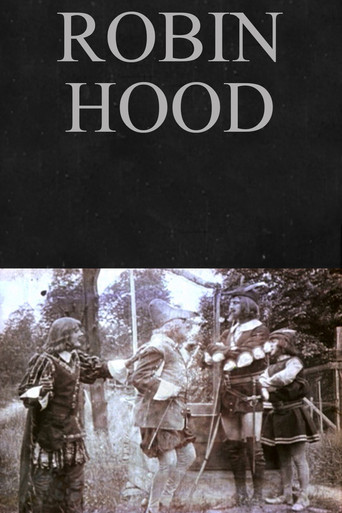
Robin Hood
Robin Hood is a 1912 film made by Eclair Studios when it and many other early film studios in America's first motion picture industry were based in Fort Lee, New Jersey at the beginning of the 20th century. The movie's costumes feature enormous versions of the familiar hats of Robin and his merry men, and uses the unusual effect of momentarily superimposing images different animals over each character to emphasize their good or evil qualities. The film was directed by Étienne Arnaud and Herbert Blaché, and written by Eustace Hale Ball. A restored copy of the 30-minute film exists and was exhibited in 2006 at the Museum of Modern Art in New York City.
Production
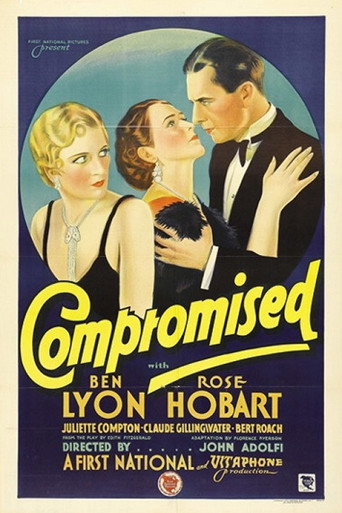
Compromised
Poor working-class girl Stella marries wealthy Sidney Brock, recently jilted by his fiancée and social equal Connie. The two go through contentious times with the Brock patriarch, but when Stella becomes a mother, she seems to becomes accepted, although it's used as a way to shift Sidney's and the child's affections from her. Connie comes back into their lives, now seeking to reclaim Sidney, and manipulates the situation to convince Stella that he's been seeing her. So Stella decides to get a divorce, but fortunately, Sidney becomes aware of the deception in time.
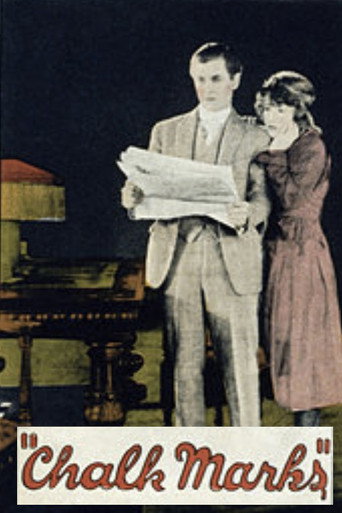
Chalk Marks
Young Herbert Thompson, wanting to attain wealth and social status, marries Ann Morton, who comes from a rich and prominent family, throwing over pretty young Angelina Kilboure, who really loves him. Years later Herbert has become the local District Attorney and has two children, Bert and Virginia. One night Bert, a patron at a seedy roadhouse, defends his sister's honor from a ruffian and winds up killing the man. Angelina persuades Herbert to leave his post as D.A. to defend his son in his murder trial. Herbert wins the case, but it turns out to have unexpected consequences.
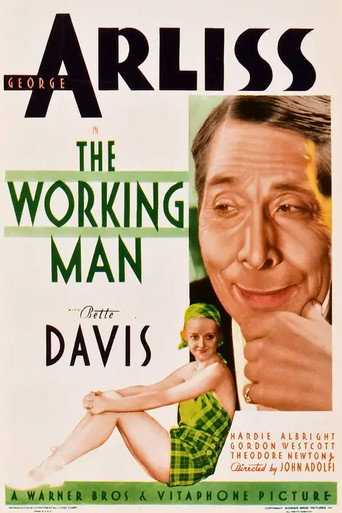
The Working Man
A successful shoe manufacturer named John Reeves goes on vacation and meets the grown children of his recently deceased and much-respected competitor; they're on the verge of losing the family legacy through their careless behavior. Reeves takes it upon himself to save his rival's company by teaching the heirs a lesson in business.
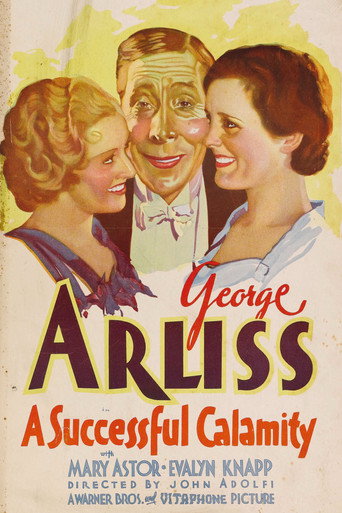
A Successful Calamity
Henry Wilton is an elderly millionaire saddled with his selfish young second wife Emmy 'Sweetie' Wilton and a pair of spoiled grown children, Peggy and Eddie. To test his family's mettle, Henry pretends to have gone broke. Just as he suspected they would, his children rally to their father's side and change their ways: Peggy forsakes the fortune hunter George Struthers for the nice young man she's really in love with, the polo coach Larry Rivers, while Eddie applies for a demanding job and performs admirably. Only Sweetie seems to desert Henry.
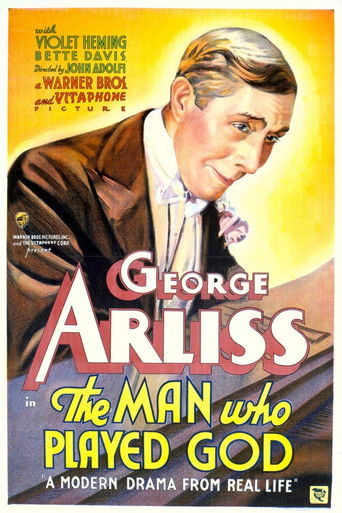
The Man Who Played God
While giving a private performance for a visiting monarch, concert pianist Montgomery Royle is deafened when a bomb is detonated in an attempt to assassinate the foreign ruler. With his career over as a result of his injury, Royle returns to New York City with his sister Florence, close friend Mildred Miller, and considerably younger fiancée Grace Blair. After abandoning thoughts of suicide, Montgomery discovers he can lip read, and he spends his days observing people in Central Park from his apartment window. As he learns of people's problems, he tries to help them anonymously and becomes absorbed in his game of "playing God".
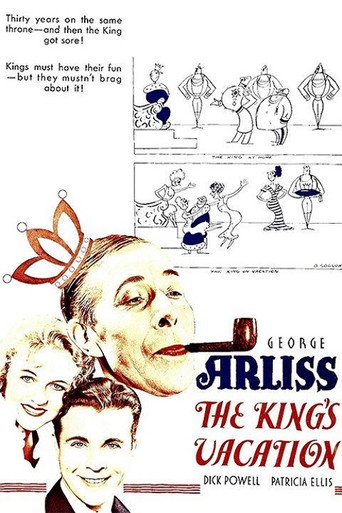
The King's Vacation
The king of an unnamed European country abdicates and tries to recapture the happiness with the wife he had to give up for the throne.

The Show of Shows
Now hear this. The studio that gave the cinema its voice offered 1929 audiences a chance to see and hear multiple silent-screen favorites for the first time in a gaudy, grandiose music-comedy-novelty revue that also included Talkie stars, Broadway luminaries and of course, Rin-Tin-Tin. Frank Fay hosts a jamboree that, among its 70+ stars, features bicyclers, boxing champ Georges Carpentier, chorines in terpsichore kickery, sister acts, Myrna Loy in two-strip Technicolor as an exotic Far East beauty, John Barrymore in a Shakespearean soliloquy (adding an on-screen voice to his legendary profile for the first time) and Winnie Lightner famously warbling the joys of Singing in the Bathtub. Watch, rinse, repeat!
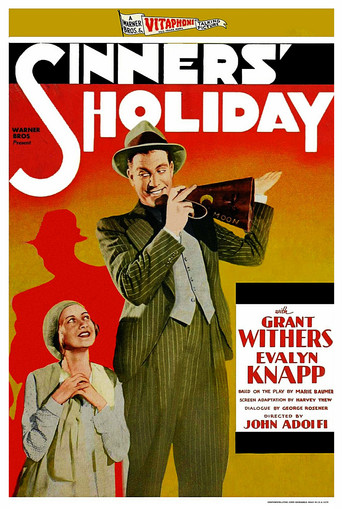
Sinners' Holiday
Ma Delano runs a penny arcade in Coney Island, living upstairs with her sons and daughter. Story involves rum-running, accidental murder and a frame-up.
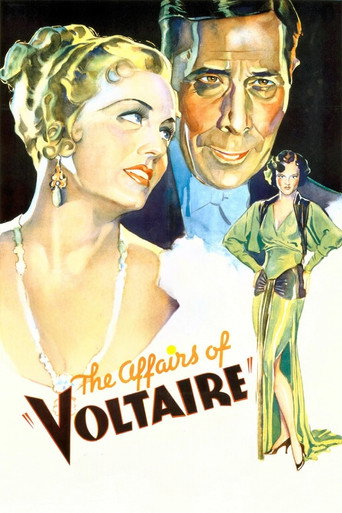
Voltaire
Writer and philosopher Voltaire, loyal to his king, Louis XV of France, nonetheless writes scathingly of the king's disdain for the rights and needs of his people. Louis admires Voltaire, but is increasingly influenced against him by his minister, the Count de Sarnac.
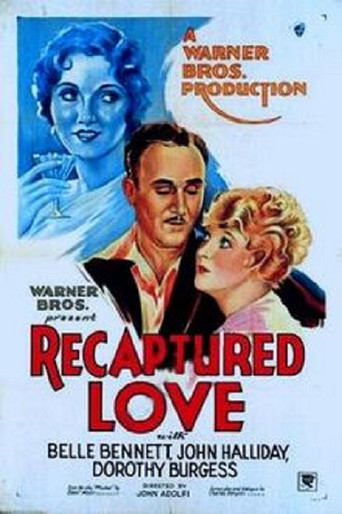
Recaptured Love
In this drama, a 50-year-old married man (played by John Halliday) goes with his wife (Belle Bennett) and son (Junior Durkin) to a nightclub in a fancy hotel in Detroit. He meets a gold-digger (Dorothy Burgess) there, singing the theme song of the picture, and eventually ends up going out with her on a subsequent occasion and falls in love with her. His wife finally finds out and this leads to her leaving him and getting a divorce in Paris. He is married to the gold-digger but finds life with her and her "jazz friends" to be too much for him. He begins to long for his old wife when he finds her in a nightclub with another man and becomes jealous.
Gallery