John Duigan Movies, TV Shows, and Filmography

John Duigan
Directing
Biography
From Wikipedia, the free encyclopedia John Duigan, (born 19 June 1949 in Hampshire, England, UK) is an Australian film director. Duigan emigrated to Australia in 1961, having been born to an Australian father. He is related to many Australian performers, being the brother of Virginia Duigan (wife of director Bruce Beresford) and uncle of Trilby Beresford. Duigan has directed 23 films, including Romero, Lawn Dogs, The Parole Officer, Sirens, and Head in the Clouds. He intended his magnum opus to be The Danny Embling Trilogy, three films centered around the character Danny Embling, an artistic youth growing up in 1960s Australia whose life is influenced by the socially changing world around him and a series of doomed love affairs. The first two films in the series were the critically acclaimed The Year My Voice Broke, and Flirting, both of which won the Australian Film Institute awards for best picture the years they were released. Description above from the Wikipedia article John Duigan, licensed under CC-BY-SA, full list of contributors on Wikipedia.
Filmography Movies
Acting
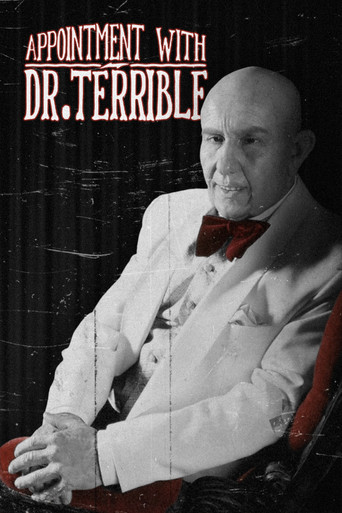
Appointment with Dr. Terrible
A behind-the-scenes documentary on the making of "Dr. Terrible's House of Horrible" featuring Steve Coogan.
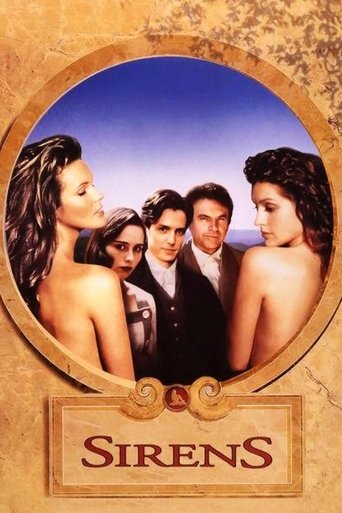
Sirens
In 1930s Australia, Anglican clergyman Anthony Campion and his prim wife, Estella, are asked to visit noted painter Norman Lindsay, whose planned contribution to an international art exhibit is considered blasphemous. While Campion and Lindsay debate, Estella finds herself drawn to the three beautiful models sitting for the painter's current work, freethinking Sheela, sensual Pru and virginal Giddy.
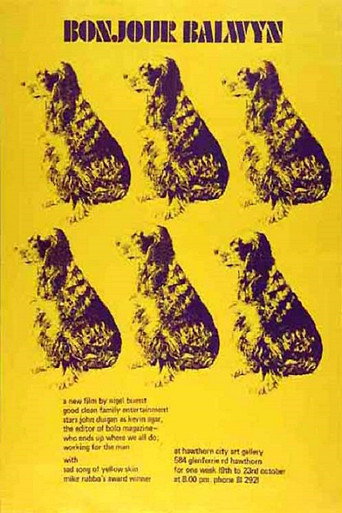
Bonjour Balwyn
Kevin leaves a job in insurance to start his own magazine. As his debts mount, Kevin’s prospects begin to look brighter in the criminal world.
Brake Fluid
This self-funded verité comedy starring John Duigan is something of a swan song for the “Carlton ripple” and reflects the movement’s characteristic vacillation between intensely local and distantly international influences.
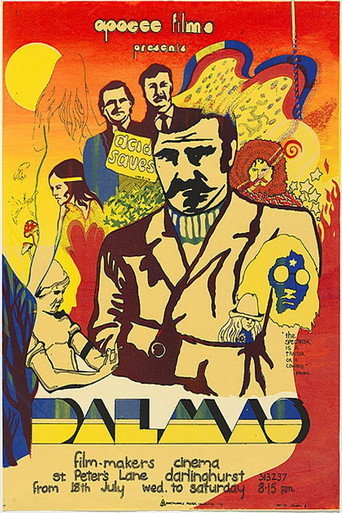
Dalmas
Bert Deling's surreal, button-pushing and hallucinogenic paean to the emerging possibilities of avant-garde and homemade filmmaking. Telling the tale of a violent ex-cop searching for the man who killed his partner, the film takes an unexpected turn when he encounters drug lord Plastic Man and a tribe of LSD enthusiasts. What follows is both literal and metaphorical mayhem as the boundaries of the film start collapsing and our idea of what's real is pushed to its very limits.

The Firm Man
Businessman Gerald Barker is invited to join a mysterious super corporation known as The Firm. His work in the organisation turns out to be of a unique and somewhat disturbing nature. But Gerald finds no comfort with his wife Melissa and friend Barry - his relationships with both collapse. In a surreal and strange fashion, Gerald eventually comes to understand what The Firm is about. Made on a tiny budget of $15,000 the film is a mix of naturalism and stylisation which the filmmaker hoped would work on 'a simple, surrealistic level'.
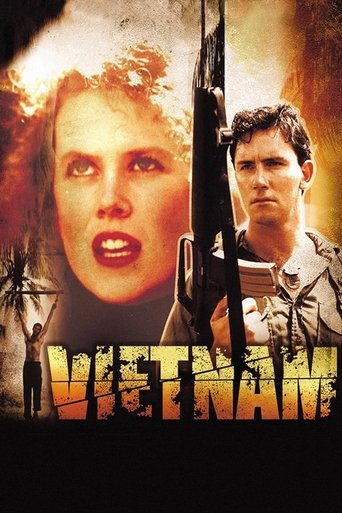
Vietnam
The trials and tribulations of the Goddard family after the entry of Australia into the Vietnam War.
Production
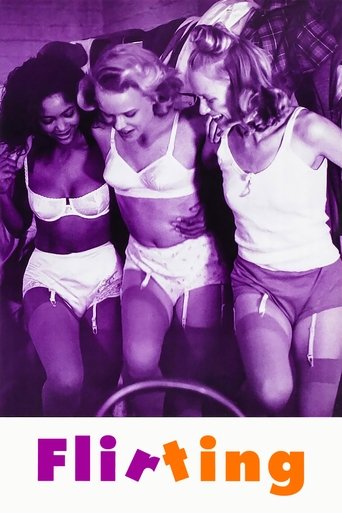
Flirting
Two freethinking teenagers - a boy and a girl - confront with authoritarian teachers in their boarding schools. The other students treat this differently.
Flirting
Two freethinking teenagers - a boy and a girl - confront with authoritarian teachers in their boarding schools. The other students treat this differently.
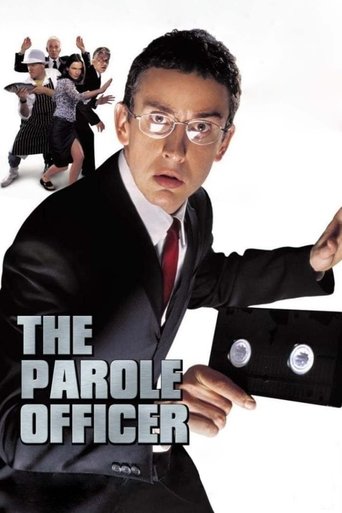
The Parole Officer
A hapless parole officer is framed for murder by a crooked police chief. To prove his innocence he must entice his former clients away from the law abiding lives they are now living to recover the evidence that will save him.
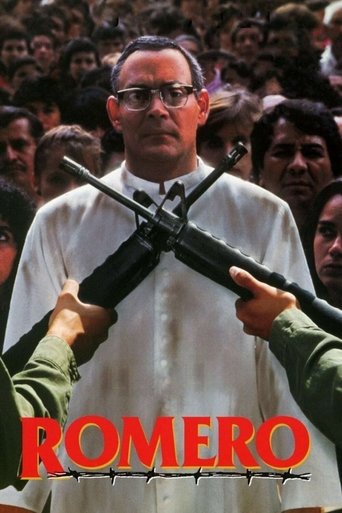
Romero
Romero is a compelling and deeply moving look at the life of Archbishop Oscar Romero of El Salvador, who made the ultimate sacrifice in a passionate stand against social injustice and oppression in his county. This film chronicles the transformation of Romero from an apolitical, complacent priest to a committed leader of the Salvadoran people.
Sirens
In 1930s Australia, Anglican clergyman Anthony Campion and his prim wife, Estella, are asked to visit noted painter Norman Lindsay, whose planned contribution to an international art exhibit is considered blasphemous. While Campion and Lindsay debate, Estella finds herself drawn to the three beautiful models sitting for the painter's current work, freethinking Sheela, sensual Pru and virginal Giddy.
Sirens
In 1930s Australia, Anglican clergyman Anthony Campion and his prim wife, Estella, are asked to visit noted painter Norman Lindsay, whose planned contribution to an international art exhibit is considered blasphemous. While Campion and Lindsay debate, Estella finds herself drawn to the three beautiful models sitting for the painter's current work, freethinking Sheela, sensual Pru and virginal Giddy.
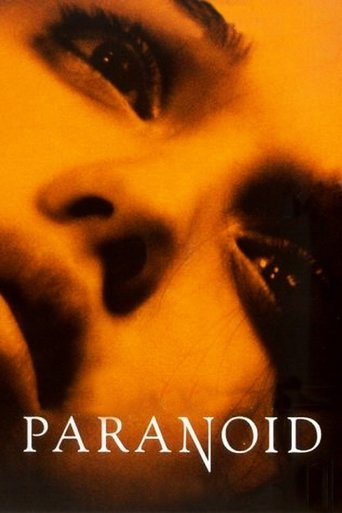
Paranoid
Chloe Keane is an stressed American fashion model living in London who is about to have the worst weekend of her life. She and her boyfriend are invited to attend a party at the house of a former rock-star named Stan and his weird family who live in the countryside. Chloe awakes the next morning only to find her boyfriend has abandoned her at Stan's house and she has been drugged and handcuffed to the bed.
Paranoid
Chloe Keane is an stressed American fashion model living in London who is about to have the worst weekend of her life. She and her boyfriend are invited to attend a party at the house of a former rock-star named Stan and his weird family who live in the countryside. Chloe awakes the next morning only to find her boyfriend has abandoned her at Stan's house and she has been drugged and handcuffed to the bed.
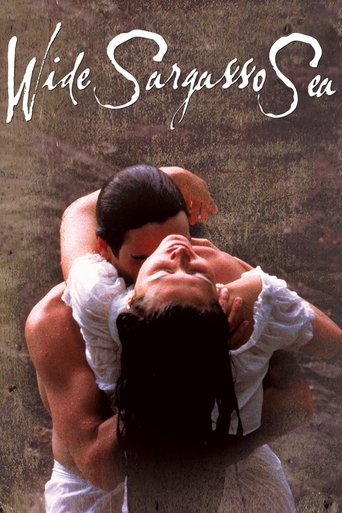
Wide Sargasso Sea
In the wake of Jamaican emancipation, French colonist Annette Cosway falls into poverty and marries racist Englishman Paul Mason. But when Annette's young son dies in a fire started by former slaves, Mason flees to England, leaving his grief-stricken wife and her Creole daughter Antoinette behind. Soon Antoinette learns she must marry to claim her inheritance and sets her sights on Rochester, an Englishman eerily similar to Mason.
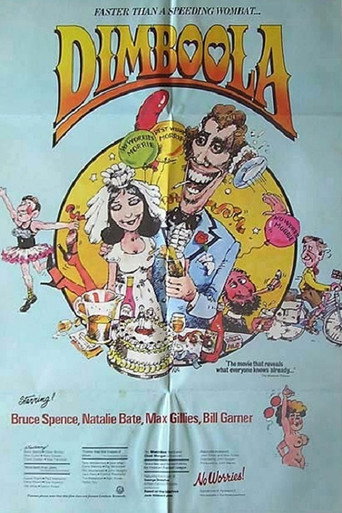
Dimboola
Dimboola follows the interaction of various characters at a country wedding reception.
Gallery