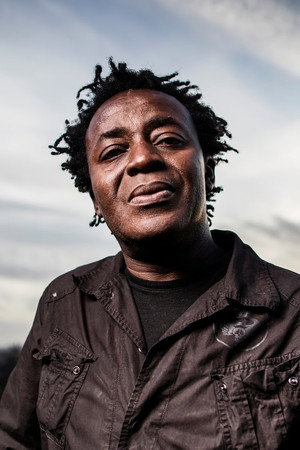
John Akomfrah Movies, TV Shows, and Filmography
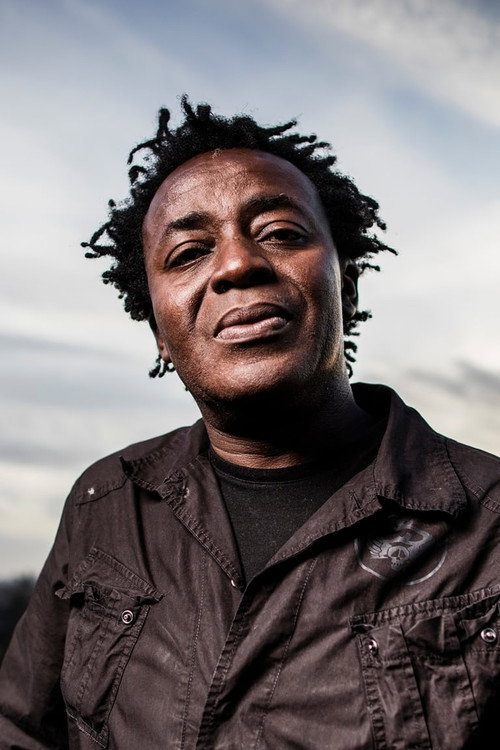
John Akomfrah
Directing
Biography
John Akomfrah, CBE (born 4 May 1957) is a British artist, writer, film director, screenwriter, theorist and curator of Ghanaian descent, whose "commitment to a radicalism both of politics and of cinematic form finds expression in all his films".
Filmography Movies
Acting
Black and White in Colour
A two part documentary that details the contribution of black and Asian people to television history from the birth of television in 1936 to 1992. Interviewees include: Pearl Connor, Thomas Baptiste, Lenny Henry, Norman Beaton, Horace Ové, Carmen Munroe, and Stuart Hall.
John On The Void
Artist and filmmaker John Akomfrah recounts an experience sailing through French Polynesia.
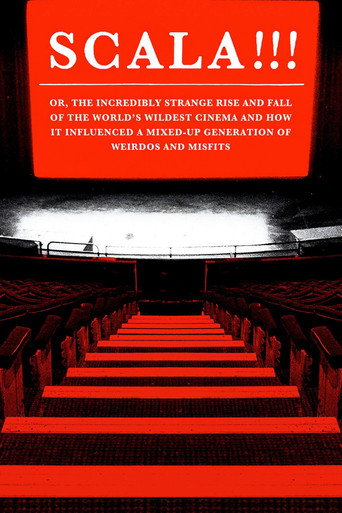
Scala!!!
This feature-length big screen documentary tells the riotous inside story of the infamous sex, drugs and rock 'n' roll repertory cinema which inspired a generation during Britain's turbulent Thatcher years.
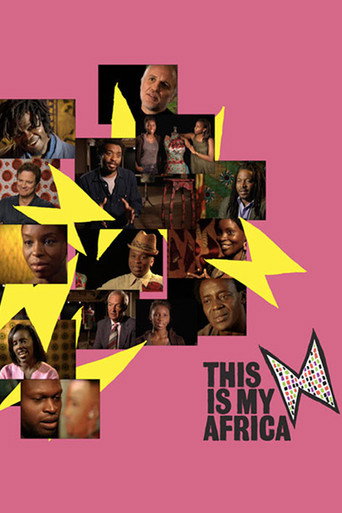
This Is My Africa
Interviewees discuss the memories, tastes and experiences that they associate with Africa for a personal vision of the continent.
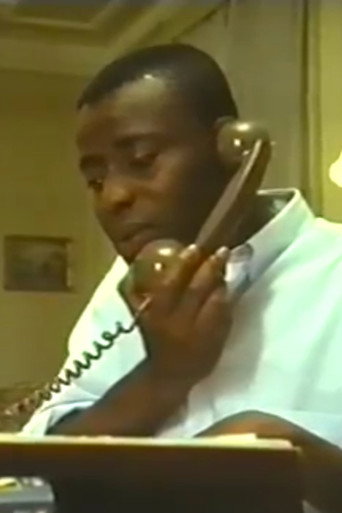
A Touch of the Tar Brush
Black filmmaker John Akomfrah believes that, for too long, being English has meant being white. In an attempt to show Englishness from the point of view of mixed-race English people, he visits Liverpool, one of England's oldest multicultural communities.
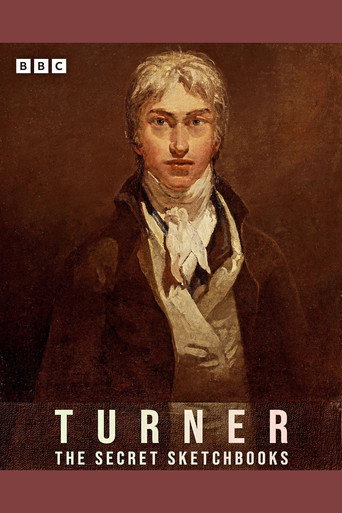
Turner: The Secret Sketchbooks
This groundbreaking documentary unlocks the hidden psychology of J.M.W. Turner through his 37,000 private sketches, drawings, and watercolours – an extraordinary archive that reveals the man behind the masterpieces. For the first time on television, these pages – Including erotic sketches previously thought to have been destroyed – are used as a window into Turner’s inner world, exposing his private thoughts, creative obsessions and emotional life. Rarely writing about himself, Turner left behind few clues to his personality. But in his sketchbooks, his restless imagination and vulnerabilities come vividly to life. They guide viewers through Turner’s life and art, revealing how his 37,000 sketches not only chart his creative evolution but also provide an unprecedented psychological portrait of a man both visionary and vulnerable.
Production
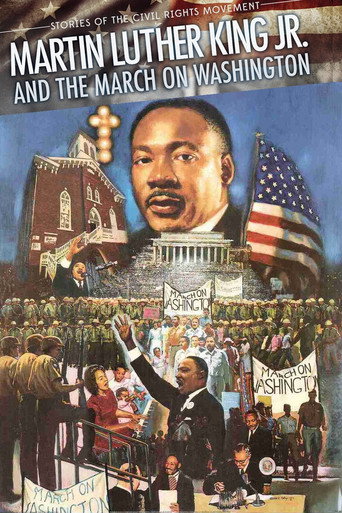
Martin Luther King and the March on Washington
Documentary commemorating the 50th anniversary of Martin Luther King's March on Washington, a pivotal moment in the Civil Rights Movement in the United States. The film tells the story of how the march for jobs and freedom began, speaking to the people who organised and participated in it. Using rarely seen archive footage the film reveals the background stories surrounding the build up to the march as well as the fierce opposition it faced from the JFK administration, J Edgar Hoover's FBI and widespread claims that it would incite racial violence, chaos and disturbance. The film follows the unfolding drama as the march reaches its ultimate triumphs, gaining acceptance from the state, successfully raising funds and in the end, organised and executed peacefully.
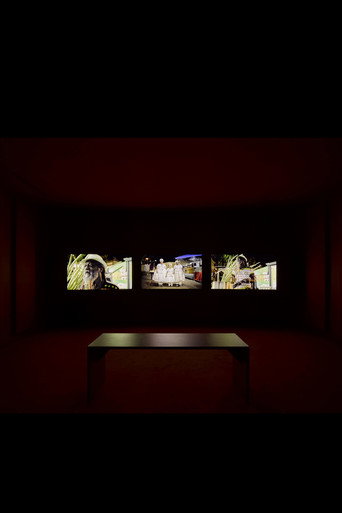
Triptych
Triptych (2020) is a homage to the the radical, political album, ‘We Insist!’ (1960) by the jazz musician Max Roach – the ideas of which prefigured the themes that became the Civil Rights and anti-apartheid movements. The catalyst for this film was the broadcasted portraits of figures such as Breonna Taylor and George Floyd, and the evident incongruity between the beguiling ordinariness of the images that represented them with the violent end we know they endured. Through a rare focus on portraiture, Akomfrah seeks to express the diversity of Black characters, characteristics and characterisations that should form the bedrock of any de-colonial or anti-racist future.
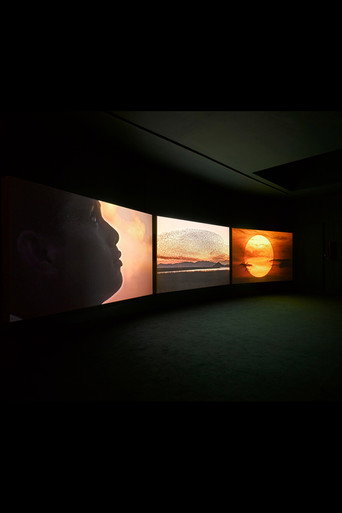
Four Nocturnes
Commissioned for the inaugural Ghana pavilion at the Venice Biennale, Four Nocturnes (2019) forms the third part of a trilogy of films including the renowned Vertigo Sea (2015) and Purple (2017) that explore the complex intertwined relationship between humanity’s destruction of the natural world and our destruction of ourselves. Using Africa’s declining elephant populations as its narrative spine, Four Nocturnes questions mortality, loss, fragmented identity, mythology and memory through poetic visuals that survey the landscape of African cultural heritage.
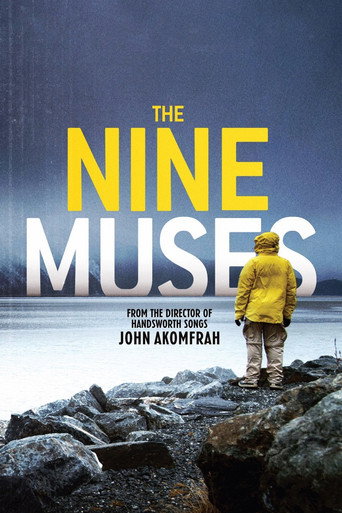
The Nine Muses
Part documentary, part personal essay, this experimental film combines archive imagery with the striking wintry landscapes of Alaska to tell the story of immigrant experience coming into the UK from 1960 onwards.
The Nine Muses
Part documentary, part personal essay, this experimental film combines archive imagery with the striking wintry landscapes of Alaska to tell the story of immigrant experience coming into the UK from 1960 onwards.
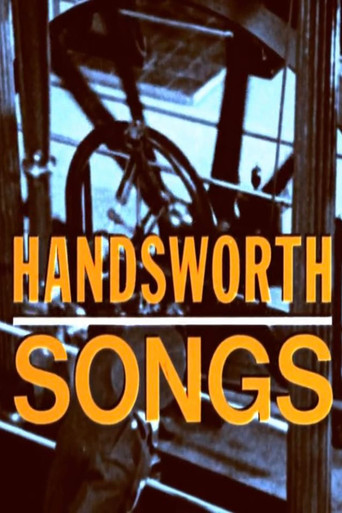
Handsworth Songs
The Black Audio Film Collective’s acclaimed essay film, 'Handsworth Songs', examines the 1985 race riots in Handsworth and London. Interweaving archival photographs, newsreel clips, and home movie footage, the film is both an exploration of documentary aesthetics and a broad meditation social and cultural oppression through Britain’s intertwined narratives of racism and economic decline.
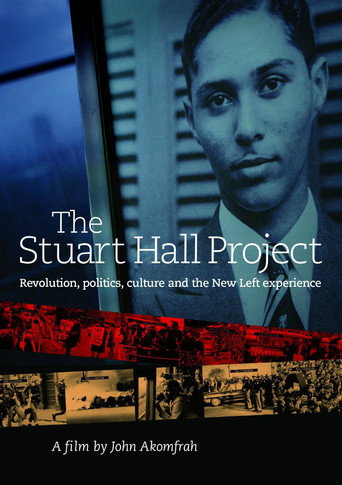
The Stuart Hall Project
A person’s culture is something that is often described as fixed or defined and rooted in a particular region, nation, or state. Stuart Hall, one of the most preeminent intellectuals on the Left in Britain, updates this definition as he eloquently theorizes that cultural identity is fluid—always morphing and stretching toward possibility but also constantly experiencing nostalgia for a past that can never be revisited.
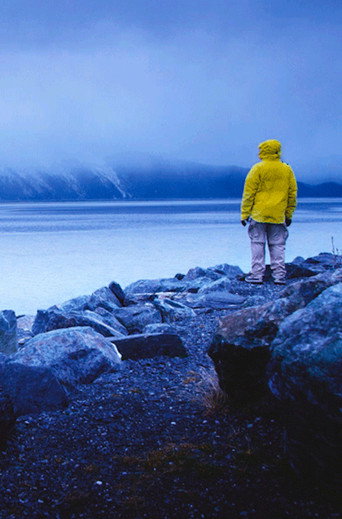
Mnemosyne
Part documentary, part personal essay, this experimental film combines archive imagery with the striking wintry landscapes of Alaska to tell the story of immigrant experience coming into the UK from the 1950s onwards.
Mnemosyne
Part documentary, part personal essay, this experimental film combines archive imagery with the striking wintry landscapes of Alaska to tell the story of immigrant experience coming into the UK from the 1950s onwards.
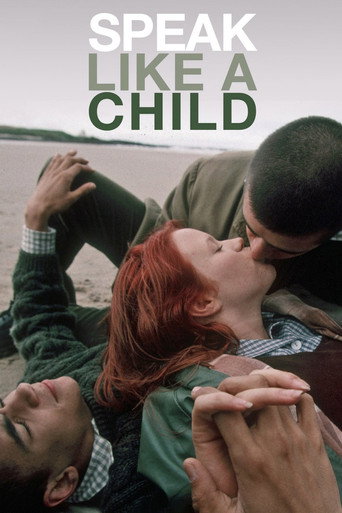
Speak Like a Child
Speak Like a Child, the feature film debut of documentary director John Akomfrah, explores the intense friendship that evolves between three troubled teenagers growing up in an isolated children's home on the Northumbrian coast. The desolate beauty of the coastline is captured in stunning panoramas, while strong performances by the young cast help to create a lyrical and poignant drama.
Gallery