Sound
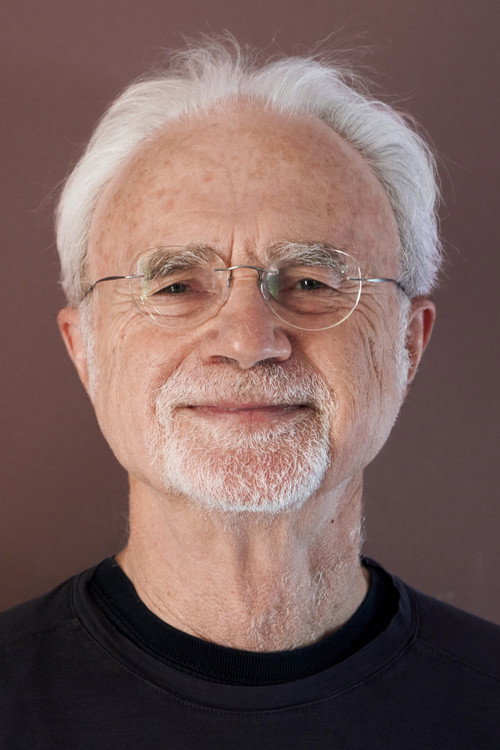
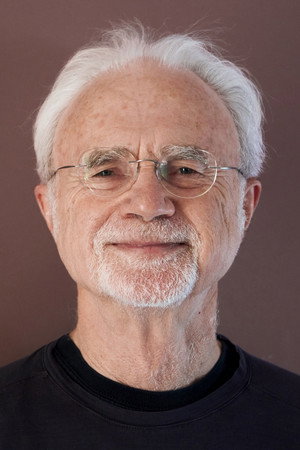
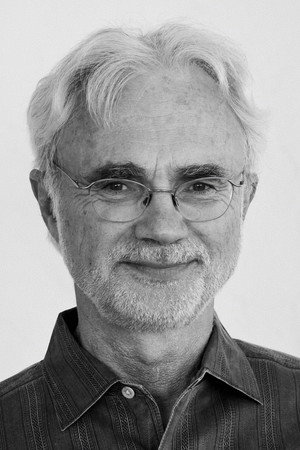
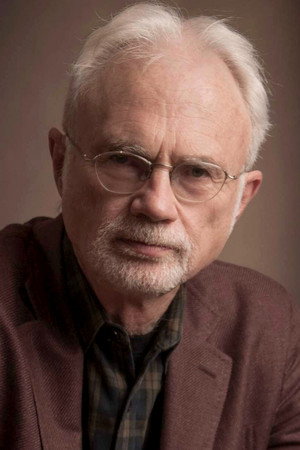
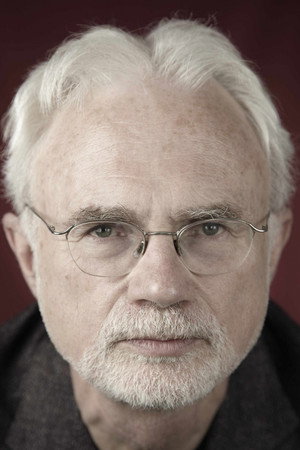
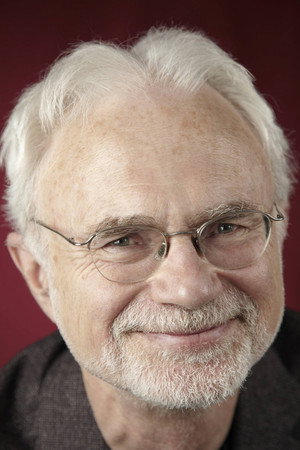
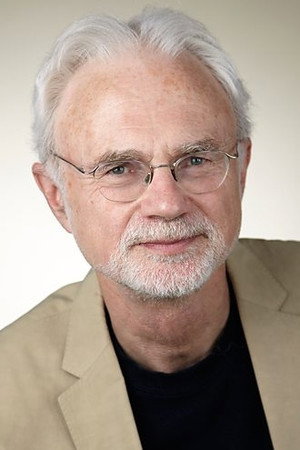
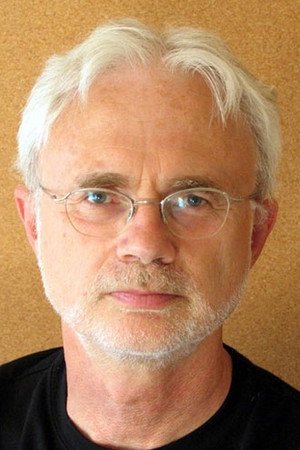
John Adams is an American musician, conductor, and music composer. Together with Steve Reich, Philip Glass and Terry Riley, he is one of the most famous representatives of minimal music.
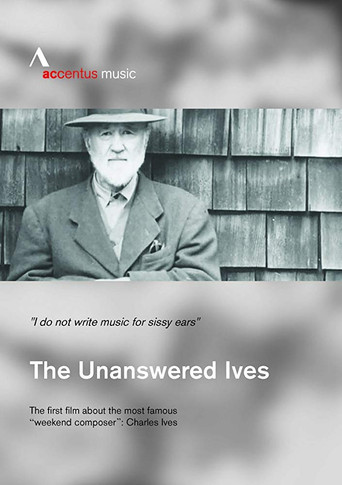
The Unanswered Ives is the first film about Charles Ives (1874-1954), an American modernist composer, one of the first American composers of international renown. The 60-minute documentary sheds light on Ives' life and work in all its facets and inconsistencies. American singer and composer Frank Zappa included Charles Ives in a list of influences that he presented in the liner notes of his debut album Freak Out! (1966). Ives continues to influence contemporary composers, arrangers and musicians. Planet Arts Records released Mists: Charles Ives for Jazz Orchestra. Ives befriended and encouraged a young Elliott Carter. In addition, Phil Lesh, bassist of the Grateful Dead, has described Ives as one of his two musical heroes.
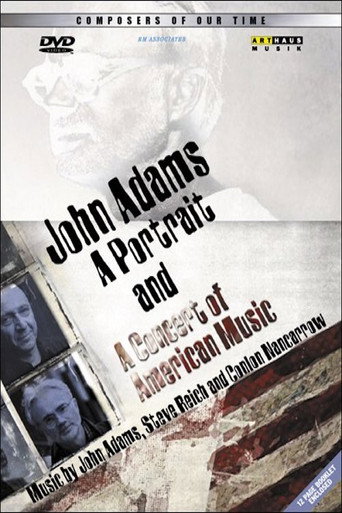
Peer into the world of contemporary composer John Adams with this documentary that blends performance footage with insightful interviews and commentary from his collaborators and the master himself. Highlights include performances of Adams's Grammy Award-winning operas “Nixon in China” and “El Niño” and excerpts from Penny Woolcock’s film adaptation of “The Death of Klinghoffer”. Works by Steve Reich and Conlon Nancarrow are also performed by the Ensemble InterContemporain at the Théâtre Musical de Paris-Châtelet.
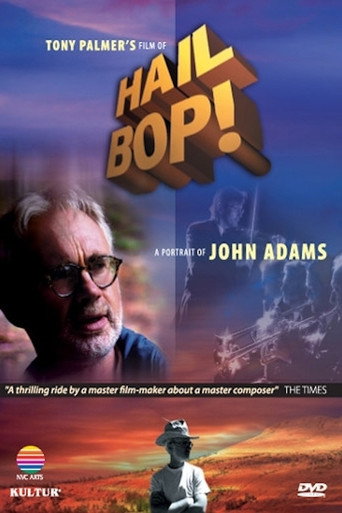
Shot over the course of a year, this intimate portrait of provocative composer John Adams presents scenes of the artist at work and at play against the backdrop of dramatic American landscapes that reflect the themes of his music. Though he has a number of credits to his name, Adams is best known for his unconventional opera "Nixon in China," which explores the former U.S. president's meeting with Mao Zedong in 1972.
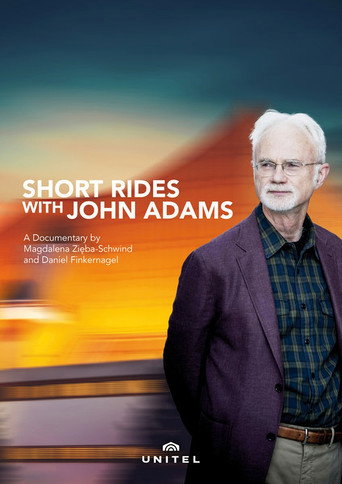
The film Short Rides with John Adams by Magdalena Zięba-Schwind and Daniel Finkernagel documents the composer and conductor’s residency: it shows him in rehearsals, in conversation with artist friends, and accompanies him on visits to museums and walks through Berlin.
Showtime's "In the 20th Century" is a millennium-related strand of feature-length documentaries in which famous directors take on major subjects of their choosing. In the last of the six films, "The American Tapestry," filmmaker Gregory Nava takes viewers on an uplifting and challenging journey through the memoirs of five immigrant families, each one on a quest for its own American Dream. Beautifully interweaving accounts from several generations, Nava composes an astonishing tapestry of personal triumphs and tragedies, as each story of courage unfolds. The American Dream is an elusive thing, and the lives of the people in Nava's film are both triumphant and tragic, teeming with optimism and sometimes despair. They expose the finest and worst in America as well as what we feel most magnificent and dreadful. They are part of the many contrasting threads that make up the American tapestry — a complex portrait of a nation at the turn of the millennium.
Emma has left Russia to live with her husband in Italy. Now a member of a powerful industrial family, she is the respected mother of three, but feels unfulfilled. One day, Antonio, a talented chef and her son's friend, makes her senses kindle.
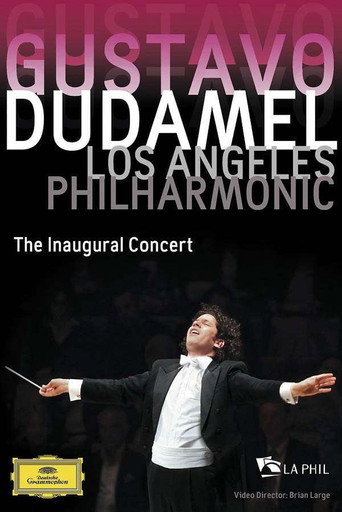
A world-class pairing, the Los Angeles Philharmonic and their charismatic new Music Director Gustavo Dudamel, mark the start of their partnership with this concert, filmed live at the Walt Disney Concert Hall. The program defines everything that is fresh and exciting about their collaboration: a John Adams world premiere, City Noir, music that steps back into the dark past of Los Angeles, and the allembracing First Symphony by Mahler, the composer who launched Dudamel's dazzling international career. "This was an exceptional and exciting concert by any standard." - The New York Times
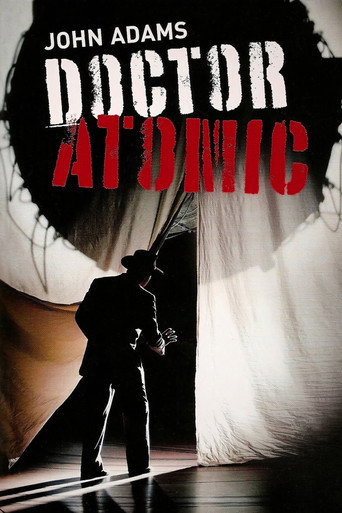
The European premiere of the opera by the contemporary American composer John Adams, with libretto by Peter Sellars, in a co-production of the San Francisco Opera (where the work premiered), the Lyric Opera of Chicago, and De Nederlandse Opera. The plot focuses on the great stress and anxiety experienced by those at Los Alamos while the test of the first atomic bomb (the "Trinity" test) was being prepared.
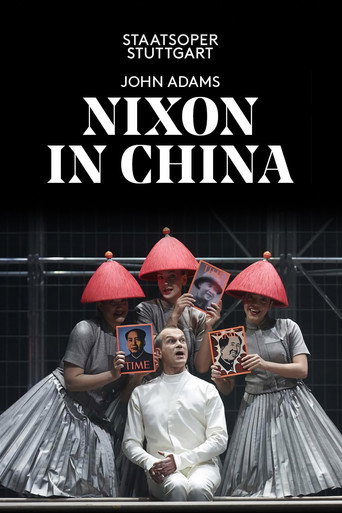
Besides the landing on the moon by the Apollo 11 mission in 1969, Richard Nixon’s meeting with China’s leader Mao Zedong in February 1972 then represented one of the biggest media spectacles in history. Nixon himself established the reference between the two events: “We came in peace for all mankind” not only marked the lunar module Eagle’s landing spot – Nixon also spoke of it into the microphones just before his departure to China. It was not John Adam’s aim to create a superficial or even a caricaturing representation of Nixon’s visit when composing his opera. He attempted to create a “heroic opera” about the construction of modern myths by using archetypical characters and situations. Director Marco Štorman stages Adams’ minimal music opera as a deconstruction review about the power of images, the politics of staging and the staging of politics.
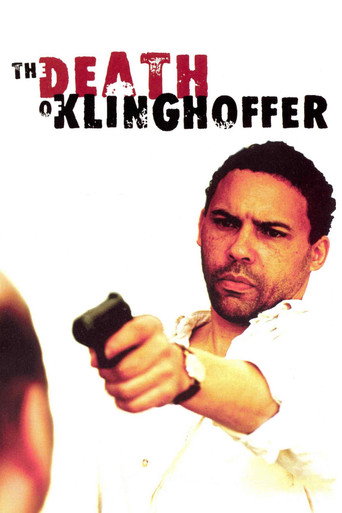
An adaptation from the controversial John Adams opera about the true life incident that took place in the mid 80s. The liner "Achille Lauro" is on a 12-day cruise in the Mediterranean. While the ship is docked in Alexandria, a maid discovers that four of the passengers are actually members of the Palestine Liberation Organization traveling incognito. Startled by their discovery, the PLO cadre is forced to act. They take the passengers on board hostage and demand the release of 50 Palestinian activists held in Israeli jails. As Egyptian, American, Italian, and Palestinian authorities bicker over the best way to handle the situation (and who would negotiate with the terrorists), the kidnappers find themselves dealing with rebellion among their captives, and an argument between the four PLO members and Leon Klinghoffer, a Jewish-American confined to a wheelchair, eventually escalates into violence.
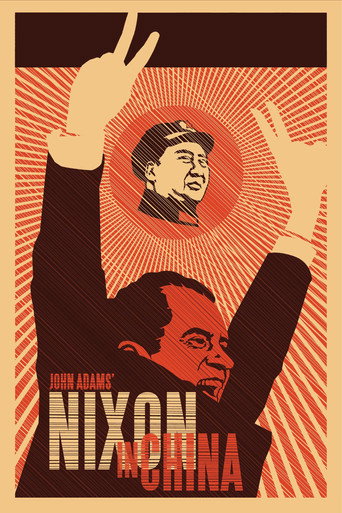
John Adams’s groundbreaking work vividly brings to life US President Nixon’s 1972 visit to the People’s Republic of China. Peter Sellars’s Metropolitan Opera production, based on his 1987 world-premiere staging, features choreography by Mark Morris and stars James Maddalena as Nixon, Robert Brubaker as Chairman Mao, Janis Kelly as First Lady Pat Nixon, Russell Braun as Chinese Premier Chou En-lai, and Kathleen Kim as Chiang Ch’ing, Mao’s wife. From the pomp of the public displays to the intimacy of the protagonists most private moments, Adams, Sellars and librettist Alice Goodman reveal the real characters behind the headlines in this landmark American opera.
Featuring music instead of any dialogue and set in a near Kafkaesque future, this loose remake of The Cabinet of Dr. Caligari follows a bureaucrat whom mysterious Dr. Ramirez and his hideous sidekick want as their latest victim.
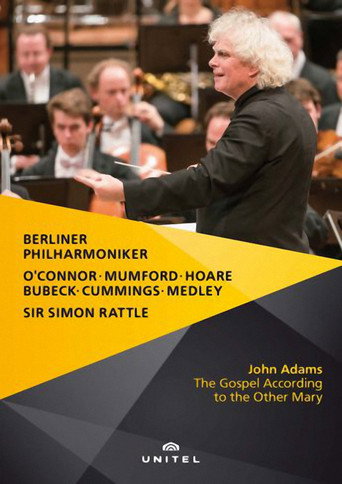
Sir Simon Rattle, the Berliner Philharmoniker and the Rundfunkchor Berlin give an impeccable performance of the powerful biblical oratorio “The Gospel According to the Other Mary” by John Adams, one of the most renowned contemporary composers. The sophisticated score with a libretto by acclaimed theatre director Peter Sellars comes to life thanks to the Berliner Philharmoniker, whose intimate knowledge of Adams’s music stems from the composer himself: He attended the orchestra’s rehearsals. In the role of the Evangelist, Bubeck, Cummings and Medley lead through the narrative. A stunning highlight is Lazarus’s aria, sung by tenor Peter Hoare. But at the heart of the piece are Mary Magdalene and her sister Martha during the last days before Jesus’s death, impressively performed by mezzo-sopranos Kelley O’Connor and Tamara Mumford.
In the summer of 1983, a 17-year-old Elio spends his days in his family's villa in Italy. One day Oliver, a graduate student, arrives to assist Elio's father, a professor of Greco-Roman culture. Soon, Elio and Oliver discover a summer that will alter their lives forever.