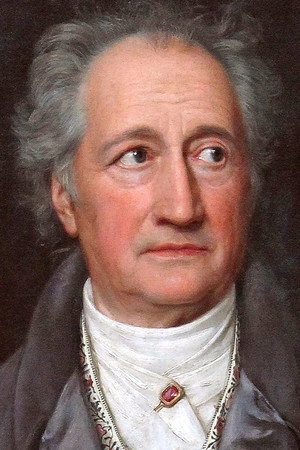
Johann Wolfgang von Goethe Movies, TV Shows, and Filmography
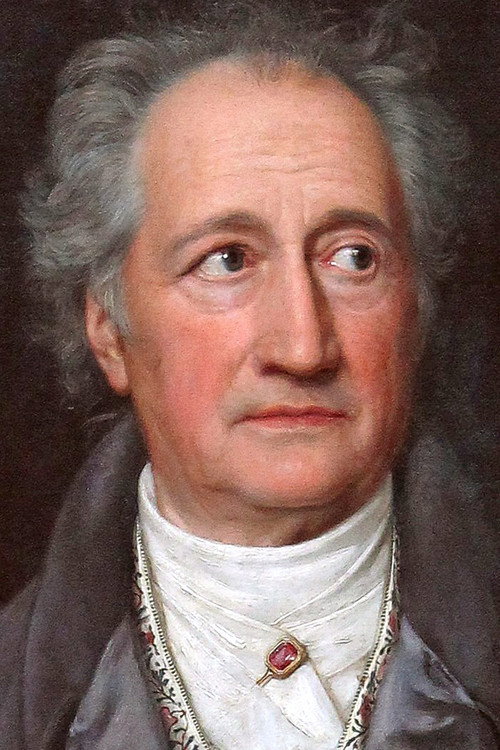
Johann Wolfgang von Goethe
Writing
Biography
Johann Wolfgang von Goethe (August 28, 1749 – March 22, 1832) was a German polymath who is widely regarded as the greatest and most influential writer in the German language. His work has had a wide-ranging influence literary, political, and philosophical thought in the Western world from the late 18th century to the present. A poet, playwright, novelist, scientist, statesman, theatre-director, and critic, his works include plays, poetry and aesthetic criticism, as well as treatises on botany, anatomy, and colour.
Filmography Movies

Production
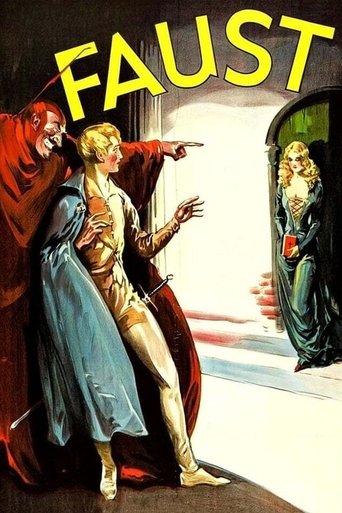
Faust
God and Satan wager on the soul of a learned and prayerful alchemist as part of their eternal war over Earth.
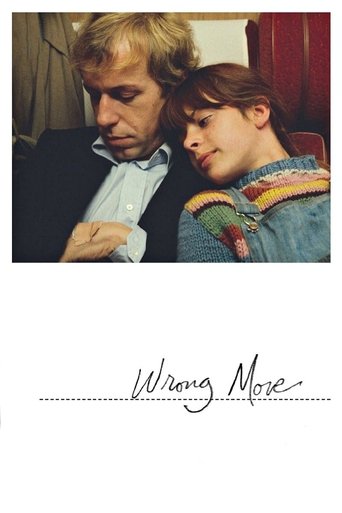
Wrong Move
Six days in the life of Wilhelm: a detached man without qualities. He wants to write, so his mother gives him a ticket to Bonn, telling him to live. On the train he meets an older man, an athlete in the 1936 Olympics, and his mute teen companion, Mignon. She's an acrobat in market squares for spare change.
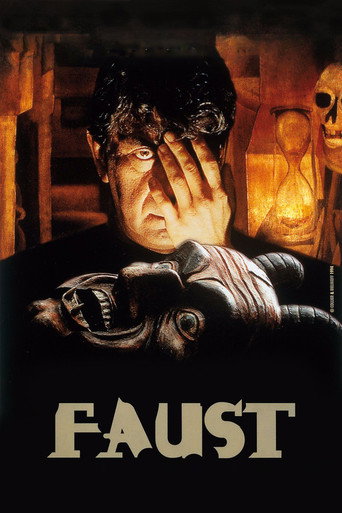
Faust
A very free adaptation of Marlowe's "Doctor Faustus", Goethe's "Faust" and various other treatments of the old legend of the man who sold his soul to the devil. A nondescript man is lured by a strange map into a sinister puppet theatre, where he finds himself immersed in an indescribably weird version of the play, blending live actors, clay animation and giant puppets.
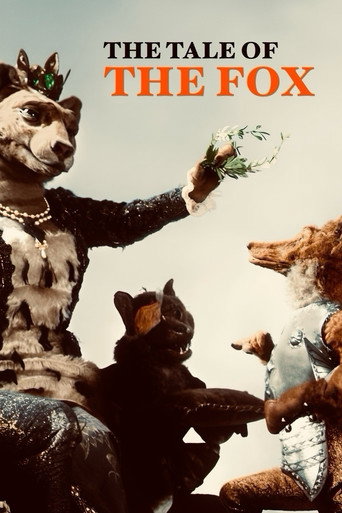
The Tale of the Fox
In the kingdom of animals, Master Fox is used to trick and fool everyone. So the King, the Lion, receives more and more complaints about him. He orders that Master Fox is arrested and brought to him.
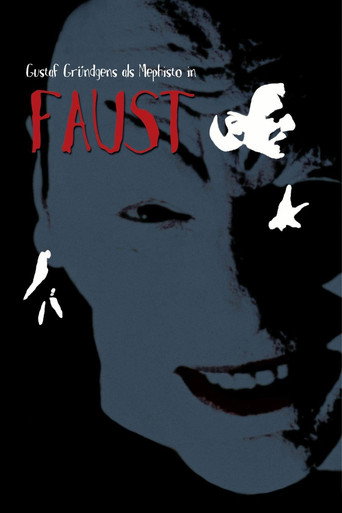
Faust
In 1957 Gustaf Gründgens staged a new production of Goethe's Faust in which he once again played Mephisto, a part he had played since 1932. The brilliant production was a huge success and ran for a couple of years. In 1959 Peter Gorski captured the performance on film in his directorial film debut. Basically it is a registration of the production, but Gorksi did manage to accentuate the details of the acting by using enough medium and close-up shots which give a view on the acting you normally would not able to see in a theater.
Mignon
The tragic, wandering journey of Mignon, the daughter of the nobleman Lothario and the Gypsy Musette, who is kidnapped by her mother's father, Giarno, after her mother's death. Mignon falls in love with the student Wilhelm, but he is infatuated with the actress Filina. After a fire and a mistaken engagement, Mignon leaves with Lothario, only to be recognized by an innkeeper who returns Lothario's lost memory. The film concludes with Lothario recovering his mind and Mignon and Wilhelm vowing to marry.
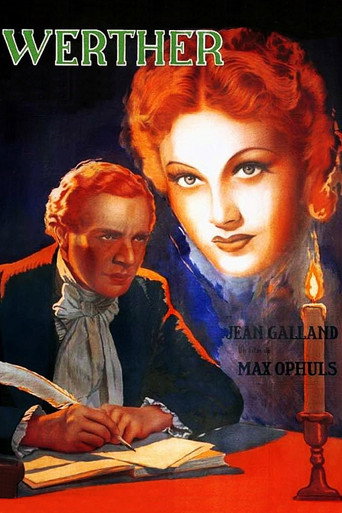
The Novel of Werther
Herr Werther, a new magistrate to the Grand Duchy of Walheim who is a violinist and poet, seems to have fate on his side as he meets and pursues a beautiful local woman, Charlotte. But as Werther sets to propose marriage, Charlotte reluctantly tells him she has been promised to another, Werther's superior, Judge Hochstätten. Werther and Charlotte decide to keep their romance from the judge and each descends into depression. Will they be able to keep their feelings a secret?
Erlkönigs Töchter
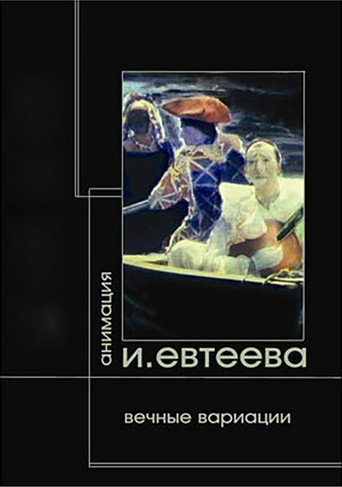
Faust
Eternal Variations: "Demon", "Theseus" and "Faust" The third short story "Faust" is the author's interpretation of Goethe's tragedy.
The ErlKing
This animated short is a visual representation of Goethe's poem, The ErlKing that uses sand-on-glass animation set to the music of Franz Schubert. The moving images, resembling woodcuts, capture the haunting, nightmarish quality of the tale of the ErlKing who steals and kills a little boy.
Gallery