Directing
No biography available.
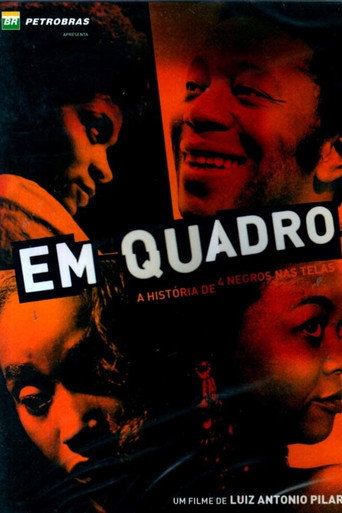
A documentary that tells the history of 4 famous actors in Brazil.
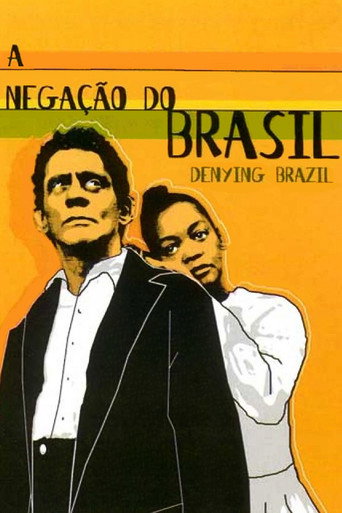
A documentary film about the taboos, stereotypes, and struggles of black actors in Brazilian television "soaps". Based on his own memories and on a sturdy body of research evidence, the director analyses race relations in Brazilian soap operas, calling attention to their likely influence on Brazilian African-Americans' identity-forming processes.
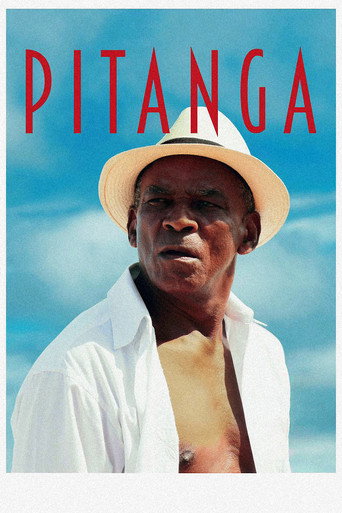
This documentary investigates the aesthetic, political and existential trajectory of emblematic Black Brazilian actor Antônio Pitanga. His career spans over five decades, and he has worked with iconic Brazilian filmmakers Glauber Rocha, Cacá Diegues and Walter Lima Jr. He was a prominent figurehead and outspoken activist during the Brazilian dictatorship, a period of unrest in Brazilian cinema. "Pitanga" deep dives into the world of Antônio and the history of Brazil. The documentary was directed by his daughter Camila Pitanga, one of widely recognised faces in Brazilian television and cinema right now. The film is also a poem, and a tender ode to fatherhood.
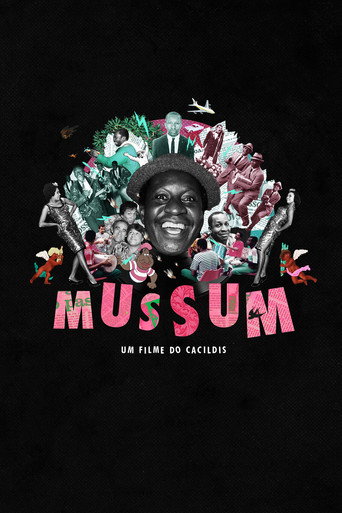
The trajectory of musician and comedian Mussum as vocalist of the group "Os Originais do Samba" and later in cinema and TV as a member of "Os Trapalhões", a group that revolutionized the way of making humor on Brazilian television.
The combination of COVID-19 and the far right in power could spell the end of human life on Earth. Short film made for the IMS Convida program.
During a showing of rare Afro-Brazilian Cinema films at the Cinematheque of the Museum of Modern Art of Rio de Janeiro, actor/filmmaker Zózimo Bulbul gathered some of the most notorious Brazilian black directors to talk about their works, their lives and their perspectives on the future.
The film investigates how allegations of racism are handled by the Brazilian justice, reporting the unprecedented story of persistence and dignity of a black man: Vicente do Espírito Santo became an exceptional case for being the first victim of racism to break the siege and arriving victoriously at the Superior Labor Court and at Rede Globo's prime time.
The documentary is structured as a video letter from a black man denouncing the persistence of racism in Brazilian society and media, a century after the official end of slavery. Thus, it presents the contradictions between two images of racial relations in Brazil: the image disseminated abroad, which spreads the myth of racial democracy, and the internal image, presented in textbooks and on television, in which negative stereotypes are perpetuated against the black population.
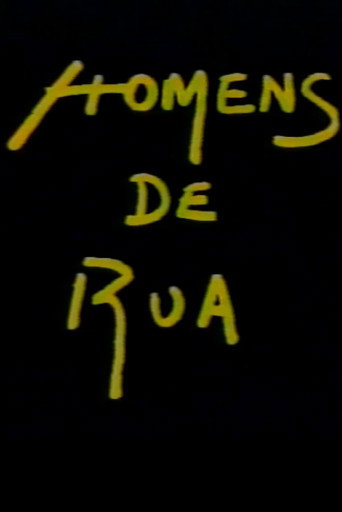
The film is close to the experiences of men and women forced to survive on the streets of São Paulo in the early 1990s, a time of deteriorating living conditions for workers, high unemployment and increasing urban poverty. Between approaching the problem as something structural and a sensitive look at the characters, the documentary portrays the lives of people who lost their work, distanced themselves from their affections and saw their identity disintegrate.