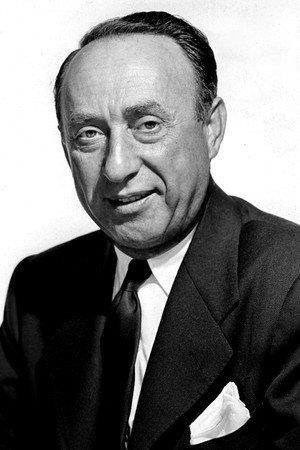
Joe Pasternak Movies, TV Shows, and Filmography
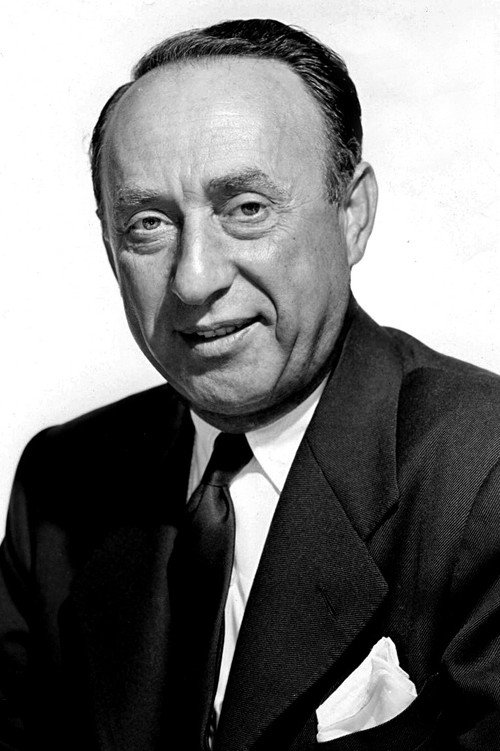
Joe Pasternak
Production
Biography
From Wikipedia, the free encyclopedia Joseph Herman "Joe" Pasternak (September 19, 1901 – September 13, 1991) was an Hungarian-born American film producer in Hollywood. He was born to a Jewish family in Szilágysomlyó, Austria-Hungary (now Șimleu Silvaniei, Romania). His father was a town clerk and Pasternak was one of eleven children. In 1920 he emigrated to the US as a teenager and went to stay with an uncle in Philadelphia. He worked in a factory, punching holes in leather belts, and did a variety of other jobs. He also studied acting in New York. Pasternak became an assistant director at Paramount on The Phantom of the Opera (1925). Several years later he was directing at Universal. In 1928 Universal sent him as an associate producer to Germany. Upon return from Europe he produced a number of hits with new talent such as Deanna Durbin and Gloria Jean, reputedly saving Universal from Bankruptcy. Pasternak also had careers at MGM, Fox and Euterpe. He made mostly musicals. In 1968 he was stricken with Parkinson's Disease. He recovered slightly two years later but made no more films. He said at the time "I am proud that I have produced 105 pictures and not one of them is adults only." In 1980 he estimated his films had earned $400 million. "If I had a percentage I'd be the richest man in town," he said. His career as a film producer spanned 40 years and earned him two Oscar nominations and three Golden Globe Award nominations. He retired in 1968, having produced more than ninety feature-length films as well as three Academy Award shows.
Filmography Movies
Acting
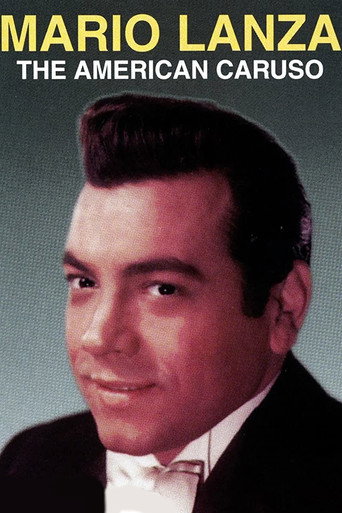
Mario Lanza: The American Caruso
Plácido Domingo hosts this tribute to American tenor Mario Lanza. Interviews, rare footage and vintage recordings chronicle Lanza's life from his Philadelphia childhood to his meteoric rise as an opera singer and film actor and his tragic death. Credited with bringing opera and classical music into the home of everyday Americans, Lanza starred in That Midnight Kiss and The Toast of New Orleans and portrayed Enrico Caruso in The Great Caruso.
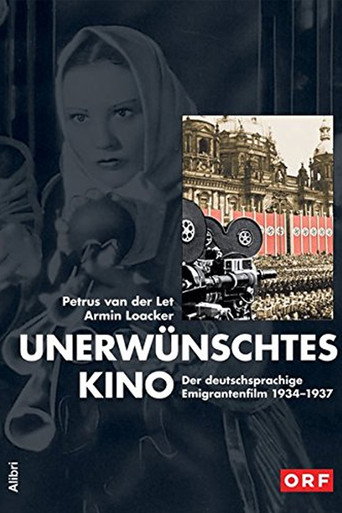
Unwanted Cinema
The documentary shows the exclusion of Jewish film makers after Hitler took power in Germany and how this led to an independent filmproduction in Vienna and Budapest from 1934 till 1937. With previously unpublished archive material are portrayed: Hermann Kosterlitz (Henry Koster), Felix Joachimson (Jackson), Joe Pasternak, Otto Wallburg, Hans Jaray, Franziska Gaal, Rosy Barsony, Hortense Raky, Oskar Pilzer, Zoltan Vidor, Ernst Verebes.
Production
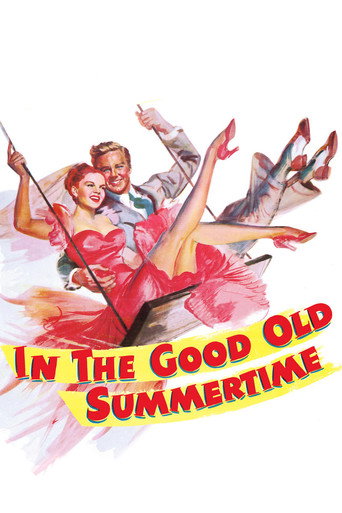
In the Good Old Summertime
Two co-workers in a music shop dislike one another during business hours but unwittingly carry on an anonymous romance through the mail.
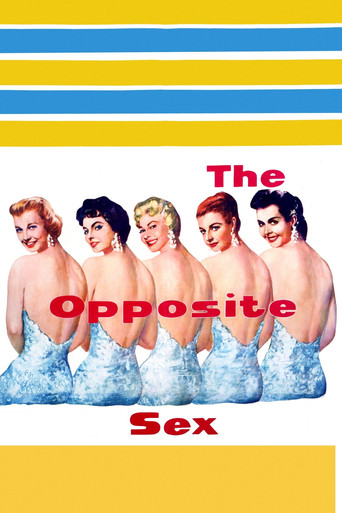
The Opposite Sex
Former radio singer Kay learns from her gossipy friends that her husband, Steve, has had an affair with chorus girl Crystal. Devastated, Kay tries to ignore the information, but when Crystal performs one of her musical numbers at a charity benefit, she breaks down and goes to Reno to file for divorce. However, when she hears that gold-digging Crystal is making Steve unhappy, Kay resolves to get her husband back. The Opposite Sex is a remake of the 1939 comedy The Women.
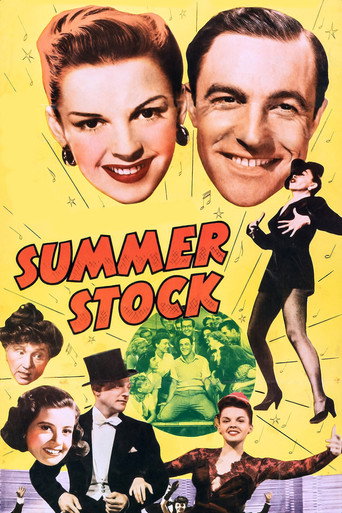
Summer Stock
To Jane Falbury's New England farm comes a troup of actors to put up a show, invited by Jane's sister. At first reluctant she has them do farm chores in exchange for food. Her reluctance becomes attraction when she falls in love with the director, Joe, who happens to be her sister's fiance.
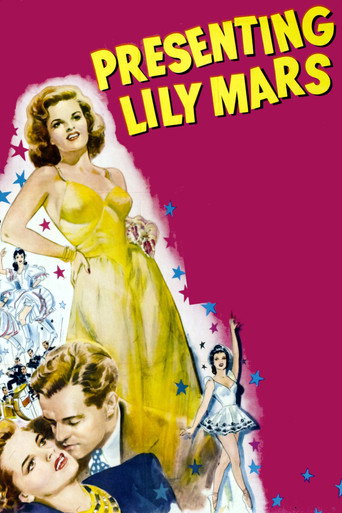
Presenting Lily Mars
Starstruck Indiana small-town girl Lily is pestering theatrical producer John Thornway for a role but he is reluctant.
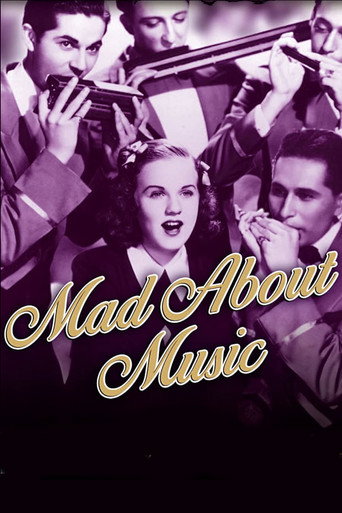
Mad About Music
A young woman at a girl's school in Switzerland makes up stories about and writes herself letters from an imaginary explorer-adventurer father; and is eventually put in a position where she has to produce him. Interesting things happen as she talks a visiting Englishman into helping her out.
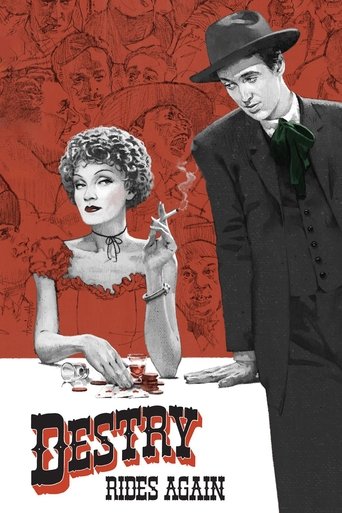
Destry Rides Again
Tom Destry, son of a legendary frontier peacekeeper, doesn’t believe in gunplay. Thus he becomes the object of widespread ridicule when he rides into the wide-open town of Bottleneck, the personal fiefdom of the crooked Kent.
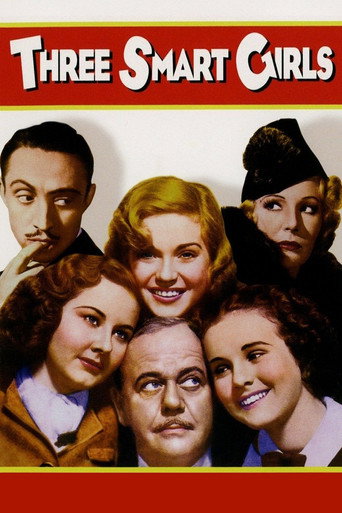
Three Smart Girls
The three Craig sisters – Penny, Kay, and Joan – go to New York to stop their divorced father from marrying gold digger Donna Lyons and reunite him with their mother.
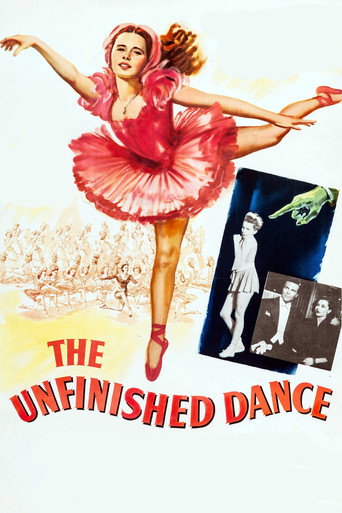
The Unfinished Dance
Meg, a young ballet student, idolizes the school's top ballerina, the shallow Ariane Bouchet. Meg is distressed when she learns visiting prima ballerina Darina rather than Bouchet will play the lead in the school's production of "Swan Lake." So on opening night, Meg arranges an accident which nearly kills Darina and ends her dancing career. As a result, Bouchet becomes a star, while Meg is torn with guilt. This is a remake of the 1937 French film "Ballerina", based on a short story by Paul Morand.
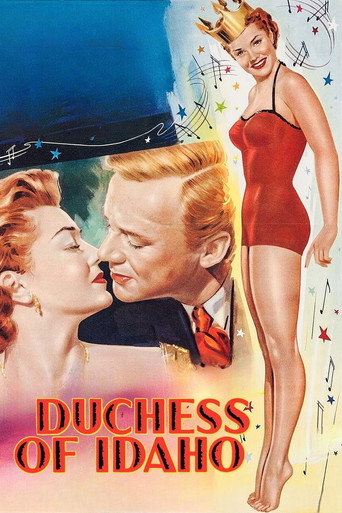
Duchess of Idaho
Ellen Hallit is in love with her playboy boss, Douglas Morrison, but is too timid to do anything about it. To help her, her roommate Chris decides to step in, and devises a plan. Chris follows Morrison on his trip to Sun Valley, Idaho and plays the overattentive female, hoping that he will send for Ellen (who often played his "fiancée" when he had a female he couldn't discourage otherwise.) Complications arise when Chris catches the eye of band leader Dick Layne, and finds herself caught in a triangle between the two men.
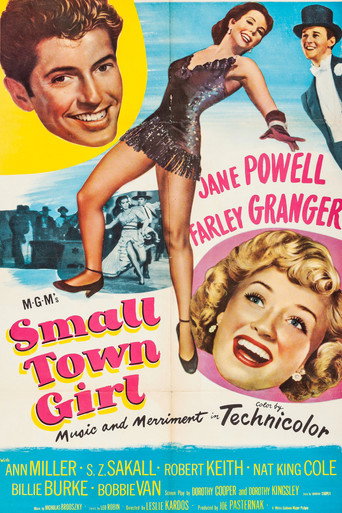
Small Town Girl
Rick Belrow Livingston, in love with Broadway star Lisa, is sentenced to 30 days in jail for speeding through a small town. He persuades the judge's daughter Cindy to let him leave for one night, so that he can visit Lisa on her birthday. After that he goes on the town with Cindy and she falls in love with him. But Dr. Schemmer wants his son to become her husband.
Gallery