Acting
No biography available.
A powerful story of a small boy who puts up a struggle against all odds of life. He wins through to become top surgeon. Even this has it's problems.
South African Film
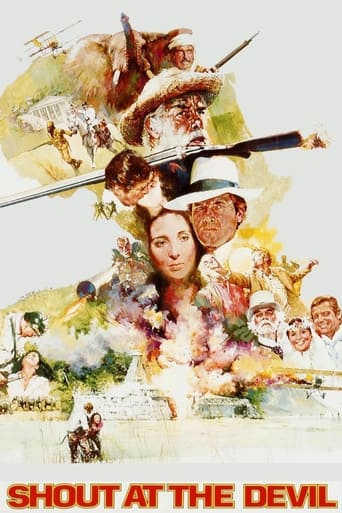
During World War One an English adventurer, an American elephant poacher and the latter's attractive young daughter, set out to destroy a German battle-cruiser which is awaiting repairs in an inlet just off Zanzibar. The story is based on a novel by Wilbur Smith, which in turn is very loosely based on events involving the light cruiser SMS Königsberg, which was sunk after taking refuge in Rufigi delta in 1915.
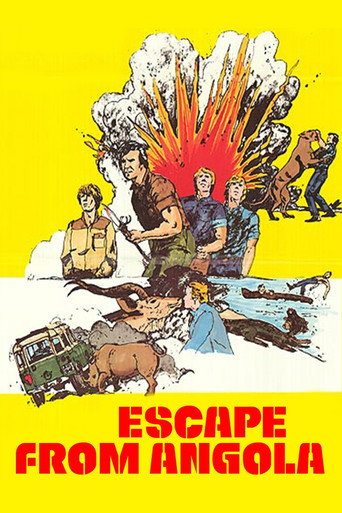
Amidst the chaos of Angola's civil conflict, an American family living on a wildlife preserve must navigate treacherous terrain and hostile forces.
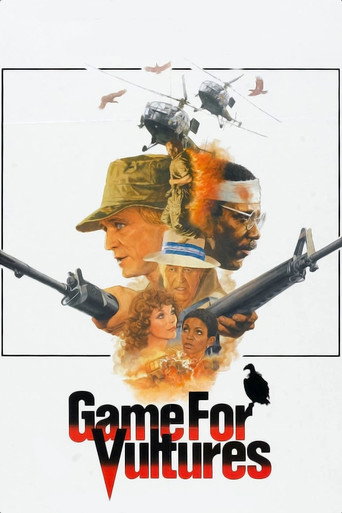
The South African businessman David Swansey is delivering illegal German helicopters to Rhodesia. That makes the patriot Gideon Marunga an angry man.
A young woman, Thembisile Khumalo is married to minister Zipho Khumalo. Thembisile is tired of the lifestyle the church offers and wants to go out and have fun. She soon meets troublemaker Johnny, brother to her friend Nancy. They fall in love and start an affair, which leads to a great deal of trouble.
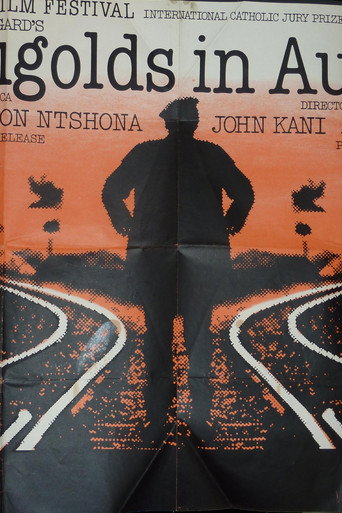
Marigolds in August was written by Athol Fugard, who in the early 1980s was South Africa's most celebrated playwright. Fugard's intense political opinions were enough for the USSR to object to Marigolds being shown in the 1980 Berlin Festival, but the objections were dropped when it was learned that Fugard had already built up a strong fan following in Eastern Europe (for various reasons, the film was not released in the US until 1984). Winston Ntshona stars as a black South African gardener who travels by foot into the white community looking for a job. Upon arriving, Ntshona discovers that another black, John Kani, may have been hired for that job. Ntshoa ruins the chances for himself and Kani by accusing the other man of planning a theft. Both men are eventually hired by a fellow outcast, a white poacher (played by Anthol Fugard himself). The message would seem to be that if the have-nots of the world stick together, it matters little how badly they're treated by the "haves."