Joe Brewster Movies, TV Shows, and Filmography
Joe Brewster
Directing
Biography
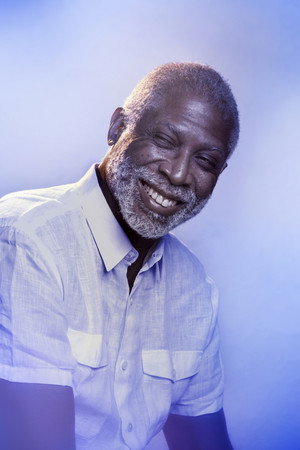
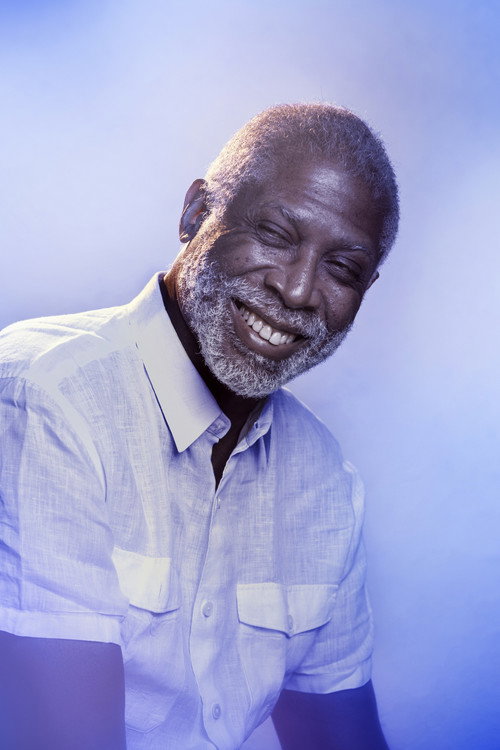
Joe Brewster is an American psychiatrist and filmmaker who directs and produces fiction films, documentaries and new media focused on the experiences of communities of color. With partner Michèle Stephenson he founded Rada Studio to tell stories about communities that have been neglected by the mainstream media and contribute to the American narrative mosaic. Together, while raising a family in Brooklyn, New York, Brewster and Stephenson have directed and produced documentary and fiction films. In 2008, they directed Slaying Goliath, a documentary that follows 10 days in the life of their son's fifth grade basketball team from Harlem, New York as they experience culture clash at a national tournament in suburban Florida. Brewster and Stephenson also produced and directed Faces of Change, which follows five activists on five continents fighting racism in their communities.
Filmography Movies
Acting

American Promise
In 1999, filmmakers Joe Brewster and Michèle Stephenson turned the camera on themselves and began filming their five-year-old son, Idris, and his best friend, Seun, as they started kindergarten at the prestigious Dalton School just as the private institution was committing to diversify its student body. Their cameras continued to follow both families for another 12 years as the paths of the two boys diverged—one continued private school while the other pursued a very different route through the public education system.

Subject
In the golden age of documentaries, who benefits? SUBJECT reveals the unintended consequences – good, bad, and complicated – of having your life shared on screen. Featuring the protagonists of acclaimed documentaries The Staircase, Hoop Dreams, The Wolfpack, Capturing the Friedmans, and The Square, as well as the filmmakers of Minding the Gap, Cameraperson, An Inconvenient Truth, and more.
Production
The Keeper
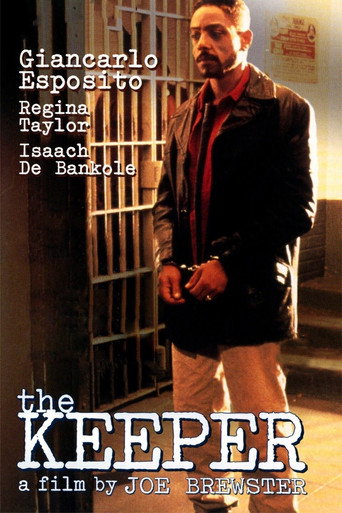
Paul Lamont, a corrections officer and law student, leads a comfortable if culturally bankrupt, middle-class existence. Lamont's marriage is already in trouble when he bails out a mysterious Haitian, Jean Baptiste, in the belief that Baptiste has been wrongly accused. Baptiste insinuates himself in Lamont's life and leads him on a journey of discovery. Lamont then finds that acts of conscience can have unforeseen consequences.
The Keeper
Paul Lamont, a corrections officer and law student, leads a comfortable if culturally bankrupt, middle-class existence. Lamont's marriage is already in trouble when he bails out a mysterious Haitian, Jean Baptiste, in the belief that Baptiste has been wrongly accused. Baptiste insinuates himself in Lamont's life and leads him on a journey of discovery. Lamont then finds that acts of conscience can have unforeseen consequences.
American Promise
In 1999, filmmakers Joe Brewster and Michèle Stephenson turned the camera on themselves and began filming their five-year-old son, Idris, and his best friend, Seun, as they started kindergarten at the prestigious Dalton School just as the private institution was committing to diversify its student body. Their cameras continued to follow both families for another 12 years as the paths of the two boys diverged—one continued private school while the other pursued a very different route through the public education system.
Learning to Breathe
The lives of these young men are compared and contrasted with who they were five years ago, about who they are now, and how their perspectives on race, justice, and social inequality have changed.
The Killing Zone
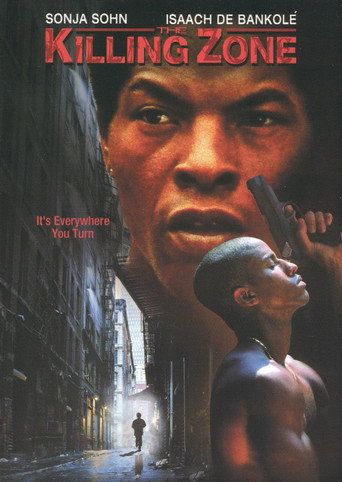
Killing Zone is the story of an affluent Harlem psychiatrist living an unexamined life until his adoptive father- a doctor who plucked him from a Nigerian refugee camp as a child - is gunned down by an eleven-year-old in Brooklyn. In an instant, everything he's absorbed in twent years in America is thrown into question, and his search for the boy resurrects memories of his own buried past.
The Killing Zone
Killing Zone is the story of an affluent Harlem psychiatrist living an unexamined life until his adoptive father- a doctor who plucked him from a Nigerian refugee camp as a child - is gunned down by an eleven-year-old in Brooklyn. In an instant, everything he's absorbed in twent years in America is thrown into question, and his search for the boy resurrects memories of his own buried past.
The Killing Zone
Killing Zone is the story of an affluent Harlem psychiatrist living an unexamined life until his adoptive father- a doctor who plucked him from a Nigerian refugee camp as a child - is gunned down by an eleven-year-old in Brooklyn. In an instant, everything he's absorbed in twent years in America is thrown into question, and his search for the boy resurrects memories of his own buried past.
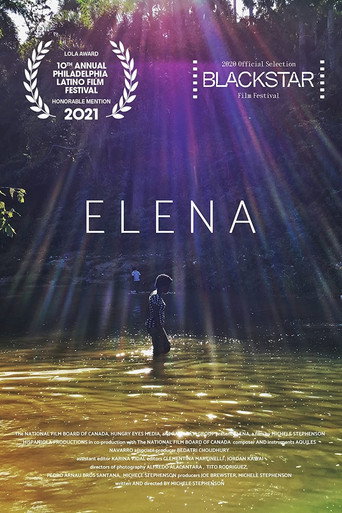
Elena
In 1937, tens of thousands of Haitians and Dominicans of Haitian descent were exterminated by the Dominican army, on the basis of anti-black racism. Fast-forward to 2013, the Dominican Republic's Supreme Court stripped the citizenship of anyone with Haitian parents, retroactive to 1929, rendering more than 200,000 people stateless. Elena, the young protagonist of the film, and her family stand to lose their legal residency in the Dominican Republic if they don't manage to get their documents in time. Negotiating a mountain of opaque bureaucratic processes and a racist, hostile society around, Elena becomes the face of the struggle to remain in a country built on the labor of her father and forefathers.
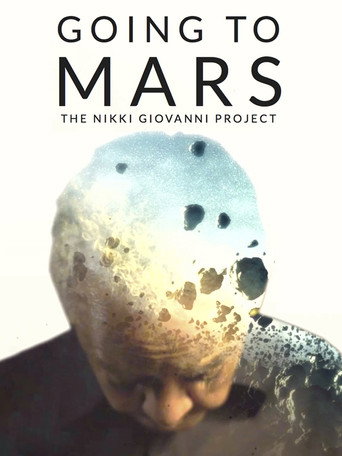
Going to Mars: The Nikki Giovanni Project
Intimate vérité, archival footage, and visually innovative treatments of poetry take us on a journey through the dreamscape of legendary queer poet Nikki Giovanni as she reflects on her life and legacy.
Going to Mars: The Nikki Giovanni Project
Intimate vérité, archival footage, and visually innovative treatments of poetry take us on a journey through the dreamscape of legendary queer poet Nikki Giovanni as she reflects on her life and legacy.
Gallery