Editing
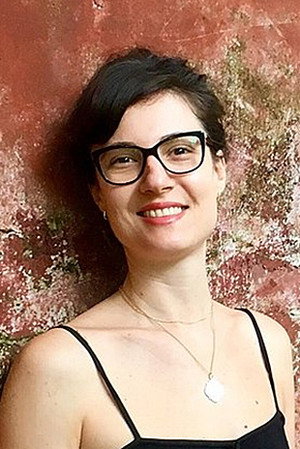
No biography available.
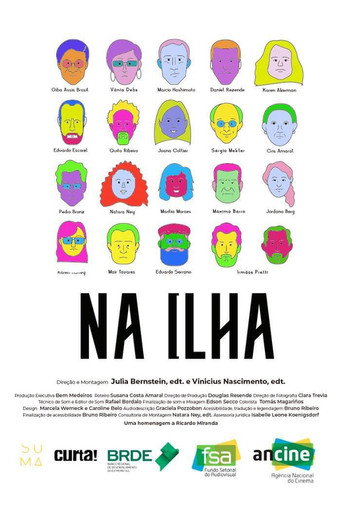
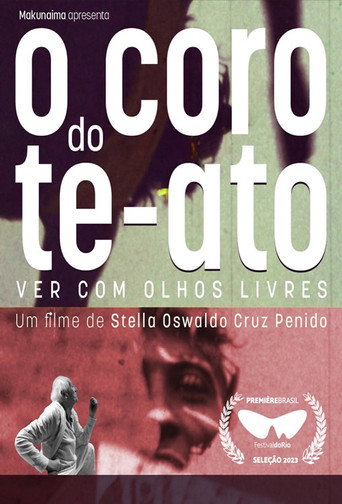
Immersive documentary in the film editing process. Twenty Brazilian cinema editors expose the nuances of this art, its secrets and processes.
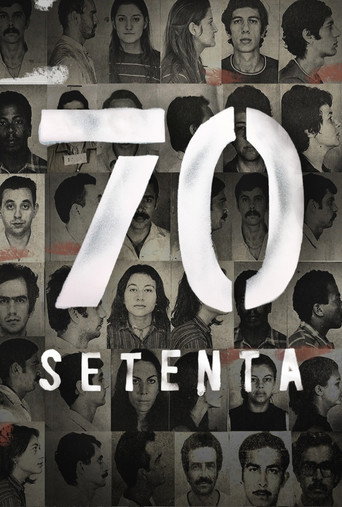
In 1970, Brazil was in the throes of a military dictatorship that lasted 20 years. Persecutions, arrests, killings, kidnappings. The film Seventy rejoins 18 characters of this story, forty years later. The film mixes the excitement of revisiting the past with a vision, sometimes even good humored of everything they lived. Many years afterwards they relive their experience of pain, violence and survival, of rebuilding their own story and continuing to believe in the possibility of improving the world.
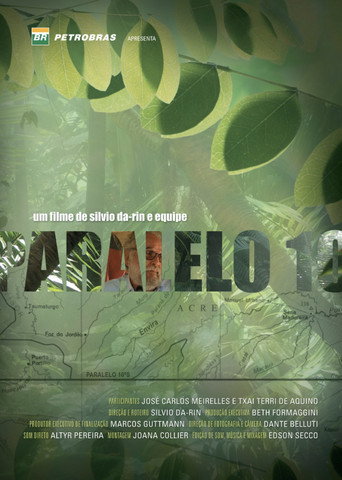
It portrays a pioneering and risky work carried out in a small Xinane base, by FUNAI, near Parallel 10º South, west of Acre, on the border with Peru. In simple installations, in the middle of the jungle, the sertanista José Carlos Meirelles carries out the difficult mission of protecting the isolated Indians of the region, with the help of anthropologist Terri Aquino. With few resources, specialists perform their tasks tirelessly. In addition to carrying out a permanent negotiation with the riverside populations in the area, they also deal with the confrontation with traffickers and squatters who try to invade it.
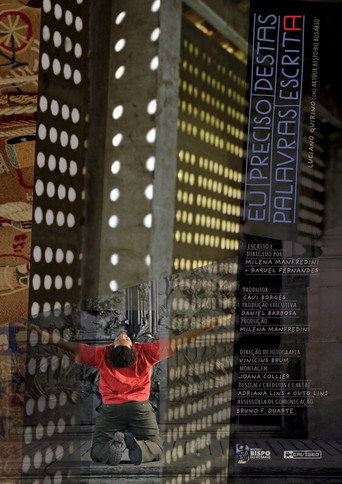
Arthur Bispo do Rosario's past is practically unknown. It is only known that he was black, a sailor and a boxer. In 1938 he was admitted to Colônia Juliano Moreira after a mystical delusion.
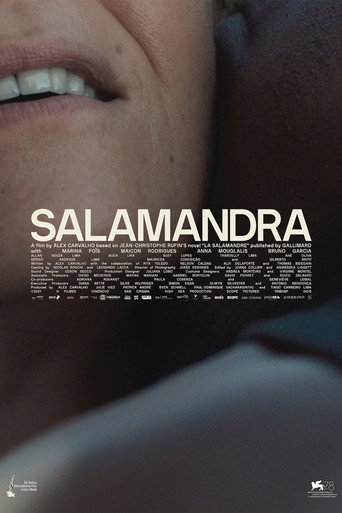
Paralysed by fear of the future, a middle aged French bureaucrat escapes to Brazil where a destructive affair with a boy forces her to learn to live in the present.
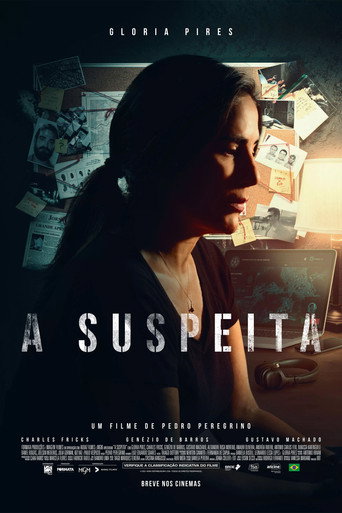
Lúcia is a renowned police investigator. At age 50, has dedicated her entire life to her profession and is a respected name among her peers. Everything changes during an investigation, a writer that was writing the memoir of one of the drug trafficking lord, and had his phone tapped illegally by Lúcia, is assassinated and she is under investigation by her superiors. At the same time, she finds out she has Alzheimer.
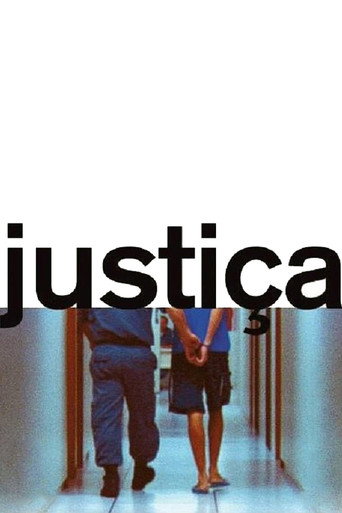
In Justiça, Maria Ramos puts a camera where many Brazilians have never been – a criminal courtroom in Rio de Janeiro, following the daily routine of several characters. There are those that work there every day (public attorneys, judges, and prosecutors) and those that are merely passing through (the accused).
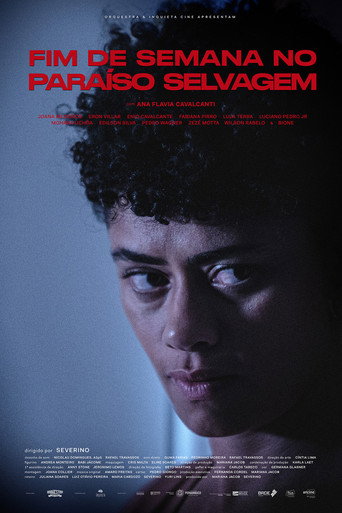
Rejane returns to her hometown, Paraíso, in search of answers to her brother's murder.