Acting
No biography available.
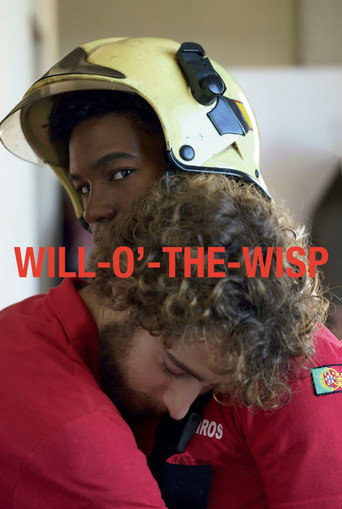
On his deathbed, His Majesty Alfredo, King without a crown, is taken back to distant youth memories from the time when he dreamt of becoming a fireman. His encounter with instructor Afonso from the fire brigade, opens a new chapter in the life of the two young men devoted to love and desire, and the will to change the status quo.
Welcome to Lisbon: there are mermaids by the Tagus and birds flying over the old city; there are mad scientists and singing fish; lost tourist guides and lost tourists; fado and sad guitars. What a weird city you may think - but no. Lisbon is about being different, sarcastic, welcoming to foreigners even in an economic crisis. Different directors became fascinated by our strangeness. We became fascinated by these directors. The city is never the same in these four episodes, here in Lisbon.
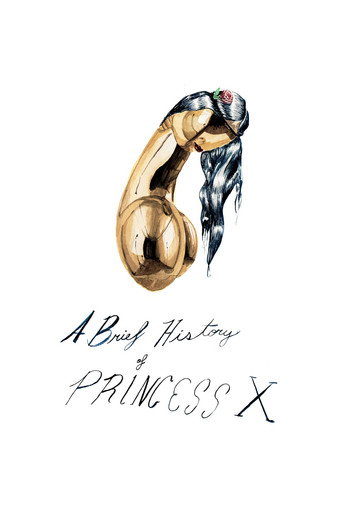
A look back at the history of Brancusi's futuristic golden bronze phallus "Princess X" that is in fact a bust of Napoleon's incredible great-niece, Marie Bonaparte.
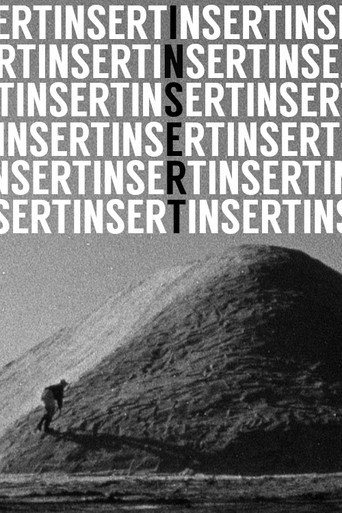
The film INSERT was conceived has part of MEMOGRAMA by Filipa César, an installation that approaches the history of Castro Marim, a village in the southeast of Portugal, known for salt production and as a location for banishment and forced labour. The translation of sin into salt. The film INSERT creates staged images on the landscape of this place and offers a set for the announcement of a forbidden encounter.
A disgraced soccer star seeks redemption but is exploited by a variety of causes hoping to capitalize on his celebrity.
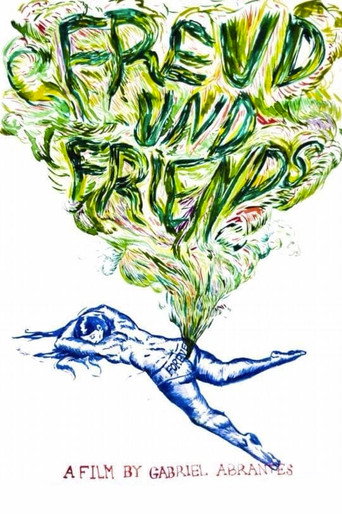
A headlong dive into the deepest, silliest recesses of Abrantes’s unconscious.
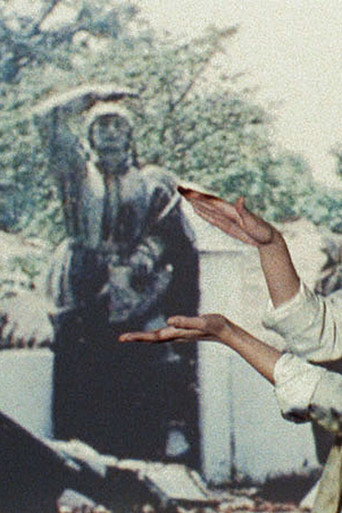
In Cacheu, Filipa César once again applies the economic technique of using a single shot – letting a 16mm film roll to the end – without editing. Here, the montage is a process that takes place before shooting, so that the image produced is the result of a performative assemblage between text, acting, projected image and framing by the cameraman and director of photography, Matthias Biber. A lecture, performed by Joana Barrios, brings together elements of César’s research on four colonial statues, which are stored today at one of the first establishment for slave trade in the West African country of Guinea Bissau – the Cacheu fortresses, constructed by the Portuguese in 1588.