Joachim Trier Movies, TV Shows, and Filmography
Joachim Trier
Directing
Biography
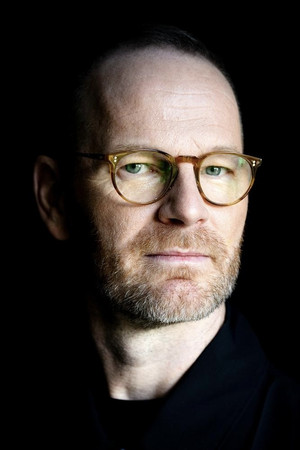
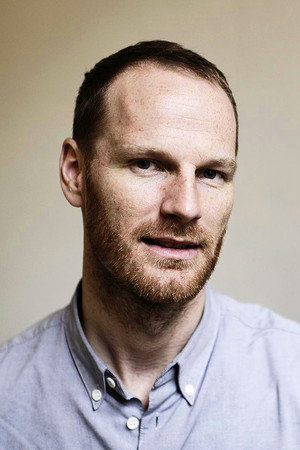
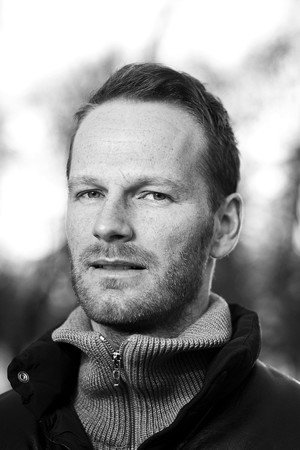
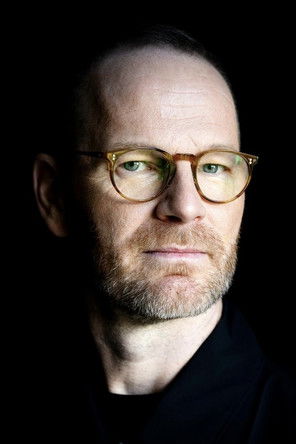
Joachim Trier (born 1 March 1974) is a Danish-born Norwegian filmmaker. He is best known for his Oslo trilogy which comprises the films Reprise (2006), Oslo, August 31st (2011), The Worst Person in the World (2021). For the latter film, he was nominated for the Best Original Screenplay at the 94th Academy Awards, with the film also nominated for Best International Feature. He is also known for directing Louder Than Bombs (2015), Thelma (2017), and the documentary The Other Munch (2018). In addition to an Academy Award, he has also been nominated for a BAFTA Award, two Cesar Awards, and three Cannes Film Festival Awards.
Filmography Movies
Acting
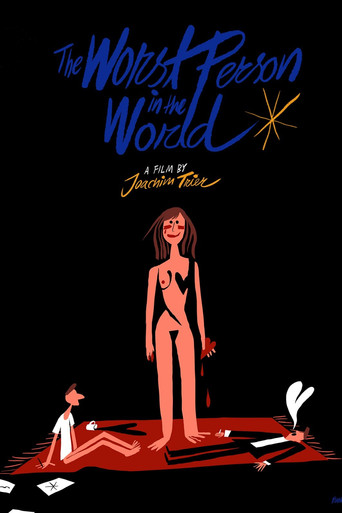
Making The Worst Person in the World
In this new program, director Joachim Trier, actors Renate Reinsve, Anders Danielsen Lie, and Herbert Nordrum, screenwriter Eskil Vogt, and sound designer Gisle Tveito discuss their passion for cinema and the conception and production of The Worst Person in the World. The interviews were shot in New York and Oslo in 2022. In English, not subtitled. (51 min). Part of the Criterion Collection home video release for THE WORST PERSON IN THE WORLD.
Room 999
In 1982, Wim Wenders asked 16 of his fellow directors to speak on the future of cinema, resulting in the film Room 666. Now, 40 years later, in Cannes, director Lubna Playoust asks Wim Wenders himself and a new generation of filmmakers (James Gray, Rebecca Zlotowski, Claire Denis, Olivier Assayas, Nadav Lapid, Asghar Farhadi, Alice Rohrwacher and more) the same question: “is cinema a language about to get lost, an art about to die?”
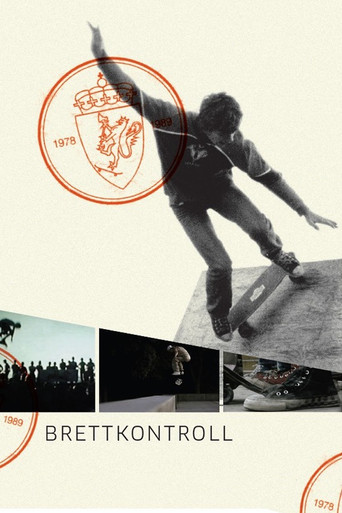
Board Control
From 1978 to 1989 skateboarding was illegal in Norway, as the only country in the world it was not legal to sell, buy or use skateboard in this period. The film follows two generations of skaters - from the underground culture in the late 70s, with skating on secret locations in the forest around Oslo, to the commercial explosion when skating was legalized in 1989. The film says something about the Norwegian governments overprotective policy, but it also shows the paradox of how the prohibition led to a unique and creative environment.
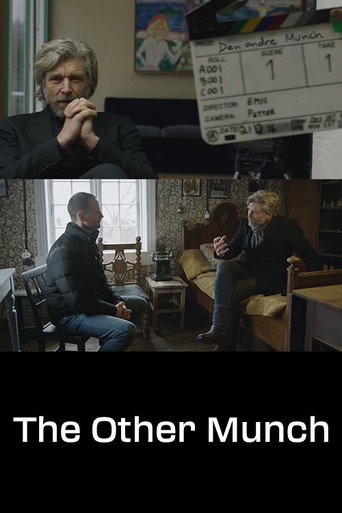
The Other Munch
This engrossing documentary follows the much-acclaimed Norwegian writer Karl Ove Knausgaard as he is invited to guest-curate an exhibition of paintings by Edvard Munch at Oslo’s Munch Museum. Co-director Joachim Trier appears onscreen alongside Knausgaard as they visit several key locations from the celebrated painter’s life, searching for insights into his imagination and vision as they discuss his vastly influential oeuvre, his themes and obsessions, his approach to rendering everyday things and strongly emotional scenes alike. Knausgaard’s interpretation of Munch proves to be captivatingly unorthodox, and the Trier brothers thrillingly seek to connect his thoughts about the painter to his own literary project, yielding a double portrait of two of Norway’s most essential artists. (Film Society of Lincoln Center)
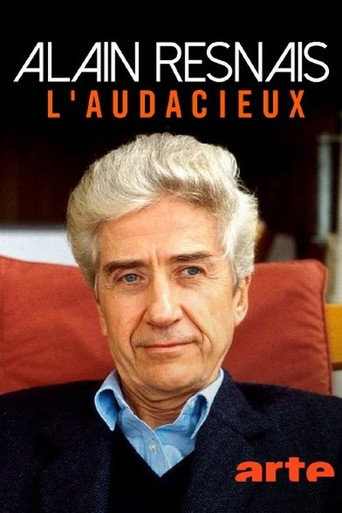
Alain Resnais, the Audacious
A genius inventor of forms, Alain Resnais is one of the fathers of cinematic modernity. This portrait, rich in archives, looks back on the career of a discreet non-conformist, in perpetual search of renewal to fight against anxiety.
Production
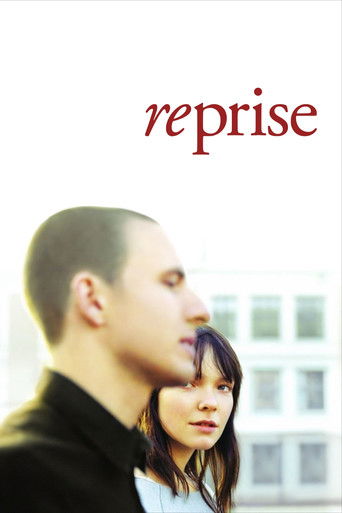
Reprise
Fueled by literary aspirations and youthful exuberance, two competitive friends endure the pangs of love, depression, and burgeoning careers.

Oslo, August 31st
A recovering drug addict is granted a day’s leave from rehab and returns to Oslo, where he reconnects with friends, faces the weight of his past, and struggles with uncertainty about his future. Over the course of one day, he drifts through encounters that reflect his longing for connection and his deep sense of alienation.
Oslo, August 31st
A recovering drug addict is granted a day’s leave from rehab and returns to Oslo, where he reconnects with friends, faces the weight of his past, and struggles with uncertainty about his future. Over the course of one day, he drifts through encounters that reflect his longing for connection and his deep sense of alienation.
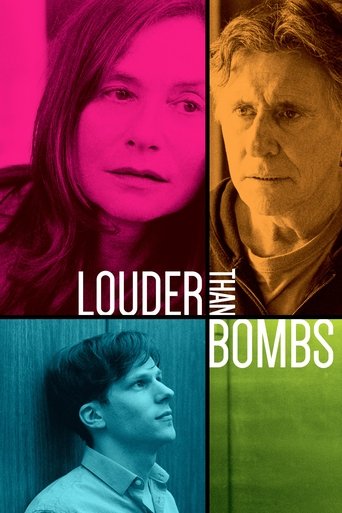
Louder Than Bombs
Three years after his wife, acclaimed photographer Isabelle Reed, dies in a car crash, Gene keeps everyday life going with his shy teenage son, Conrad. A planned exhibition of Isabelle’s photographs prompts Gene's older son, Jonah, to return to the house he grew up in - and for the first time in a very long time, the father and the two brothers are living under the same roof.
Louder Than Bombs
Three years after his wife, acclaimed photographer Isabelle Reed, dies in a car crash, Gene keeps everyday life going with his shy teenage son, Conrad. A planned exhibition of Isabelle’s photographs prompts Gene's older son, Jonah, to return to the house he grew up in - and for the first time in a very long time, the father and the two brothers are living under the same roof.
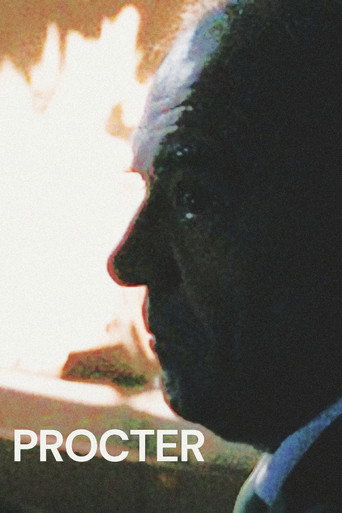
Procter
When Charles Procter witnesses a stranger burn to death he doesn’t expect to become part of the gruesome event. Then he discovers a video camera has captured him at the scene. What he discovers on the tape is more disturbing than the stranger’s death.
Thelma
English Remake of the Norwegian film Thelma (2017), directed by Joachim Trier.
Reprise
Fueled by literary aspirations and youthful exuberance, two competitive friends endure the pangs of love, depression, and burgeoning careers.
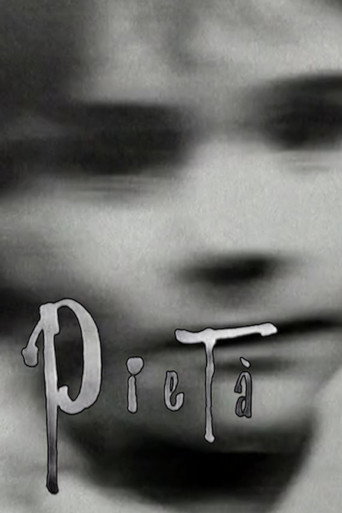
Pieta
Julian tells the story of the loss of his best friend Jacob. Years later, he goes back to the place where Jacob died and finds himself caught up in a cathartic experience with Rebecca, Julian's mother.
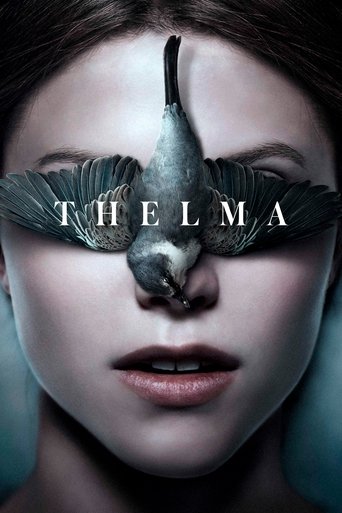
Thelma
A college student starts to experience extreme seizures. She soon learns that the violent episodes are a symptom of inexplicable abilities.
Gallery