Editing
No biography available.
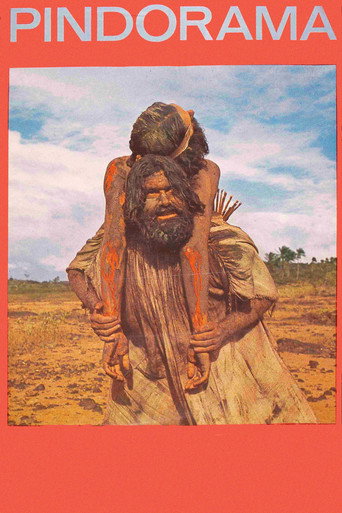
This Brazilian film is set during the period of its initial colonial discovery and settlement. The title refers to a word the native peoples used for the coastal lands: "pindorama," or "place of the small trees." A ponderous and grandiose film, it was roundly booed when it was aired at the 1971 Cannes Film Festival.
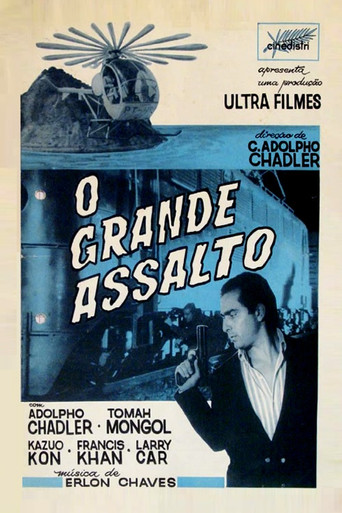
Brazilian criminal takes part in a major train robbery in England and when he finds out his boss plans to betray him, stoles the loot first and hide in Brazil.
After being orphaned, a boy is raised by his grandfather and uncles, rich rural landowners, on a sugarcane plantation where he grows up, studies, learns about politics, love and disillusionment.
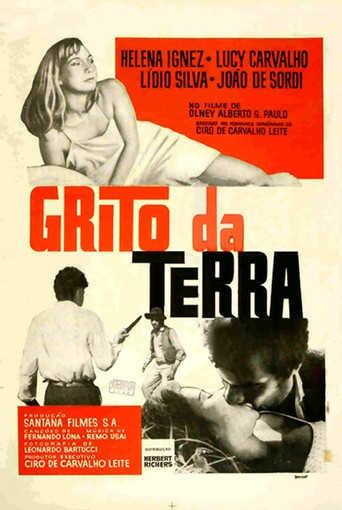
In rural Brazil, villagers battle wealthy land barons for the sake of their own survival.
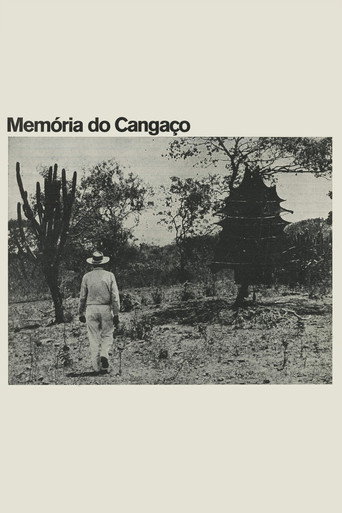
The origins of "cangaço", armed brigands in the Northeast between 1935 and 1939, interviews with some survivors of the fighting, police and outlaws movement. Interspersed with testimonials, authentic sequences of films made in 1936 by Benjamin Abraham, an Arab peddler who managed to film the famous band of Virgulino Ferreira da Silva, the "Lampião".
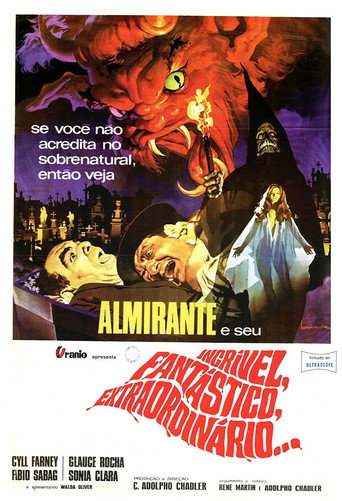
Based on a radio show that was broadcast for 11 years (1947-1958) and ended only when the host and creator, the genius Henrique Foreis "Almirante" Domingues, had a stroke. There were hundreds of horror stories, supposedly true, sent by listeners from all corners of the country, radiophoned and broadcast by Rádio Tupi in Rio de Janeiro. It became a book in 1951 (reissued in 1984), a film in 1969 and a TV show in 1994-1995, broadcast by the extinct Rede Manchete.
After escaping from a penitentiary, six women begin a trail of passion and death in the search for survival.
Documentary about middle-class people in Rio de Janeiro, in the 1960s, when Brazil was going through a hard period in its history, with the military coup and the following dictatorship. Interviews with people in the street disclose their fears, aspirations and political alienation.