Acting
No biography available.
An urban family inherits an old country house located in a small village. Upon their arrival they try to adapt to the new lifestyle, but they soon learn that the village is overshadowed by superstition and mysterious folklore. As they are plagued by strange events, they learn more about the history of their family, and slowly begin to believe by inheriting the house, they also inherited a curse.
A pagan tradition in a village in the countryside of Portugal leaves painful traces in a group of young teenagers. 25 years later, when they meet again, the past resurfaces and tragedy sets in.
The revolutionary Álvaro Cunhal, symbol of Portuguese communism and political giant of the 20th century. He is nothing less than a larger-than-life figure, now examined by João Botelho’s camera, in a detective-minded film, in which the early years of the life of the historic leader of the Portuguese Communist Party are explored. In between, excerpts from his own books are staged for the spectator.
Organized like a dream, structured like a musical and with texts, both spoken and sung, that lead us to unexpected, chaotic and exciting situations, which try to grasp part of what the unattainable Alexandre O'Neill left us.
Mariana is a 17 year old girl, who, after being rapped by drug addict, finds out she's pregnant and, in her path, discovers how difficult it can be entering adulthood.
After the structural collapse at a construction site, Paulo loses his job because he denounces the situation to the authorities.
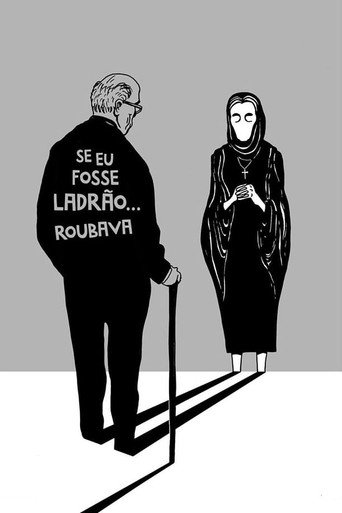
1920s. Vitalino, a small farmer from São Vicente sees his father die of the epidemic which decimated the country. Some years later, of all the brothers, Vitalino is the strongest and takes his father’s place in the house. But the village is too small for his aspirations and he decides to head to Brazil, leaving his sisters in charge of the household. In parallel with Vitalino’s story, If I Were a Thief… I’d Steal portrays the world of Paulo Rocha rummaging through his films and ghosts over the years.
An homage to Pina Bausch.
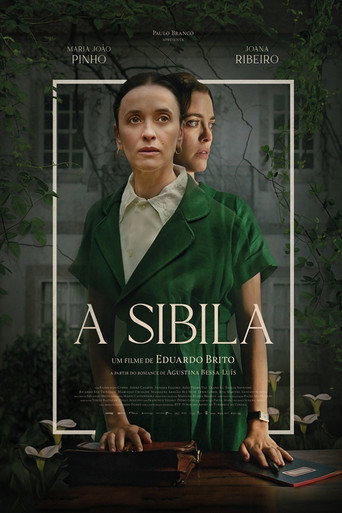
In the mid-20th century, a troubled relationship between Germana, a young writer, and Quina, her aunt who lives in the northern Portuguese countryside. Feelings of jealousy, admiration and the complex magnetism between these two strong women arise.
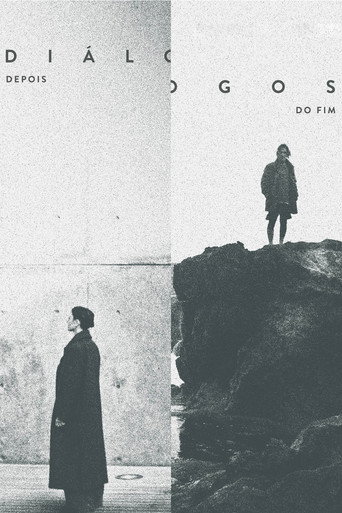
Pavese considered Dialogues with Leucò his best work. Eloquent and at the same time sententious and fragile, but implausible among humanized gods, demigods, heroes, and other pagan figures of Greek mythology, who question, through the imaginary of myths, the society of contemporary man. Out of a time and a certain space, and thus, and like all myths, always current.