João Matos Movies, TV Shows, and Filmography
João Matos
Production
Biography
No biography available.
Filmography Movies
Production

Red Line
In 1975, Thomas Harlan's crew filmed Torre Bela's homestead occupation, in the center of Portugal. Three decades later, RED LINE revisits this emblematic film of the Portuguese revolutionary period: in which way did Harlan interfered in the events that seems to naturally develop in front of the camera? What was the impact of the film on the lives of the occupants and the memory of that period?
Will-o'-the-Wisp
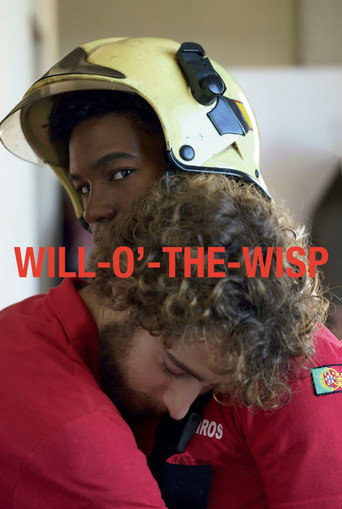
On his deathbed, His Majesty Alfredo, King without a crown, is taken back to distant youth memories from the time when he dreamt of becoming a fireman. His encounter with instructor Afonso from the fire brigade, opens a new chapter in the life of the two young men devoted to love and desire, and the will to change the status quo.
Dawn
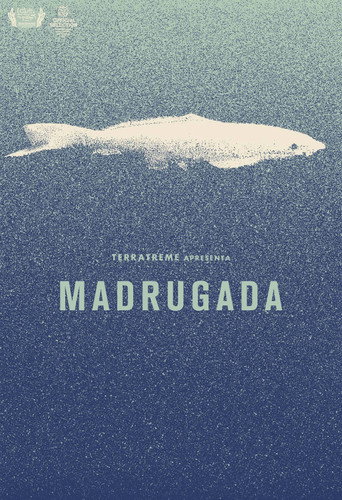
Maria starts to show signs of wanting to belong somewhere else: scales appear on her skin, roots appear on her legs, and she hears the sound of water - she dreams of being a fish. One day her daughter comes across her disappearance and reconstructs, through the memory of her gestures and meetings with her mother, a possible explanation for her escape.
Where Is This Street? or With No Before or After
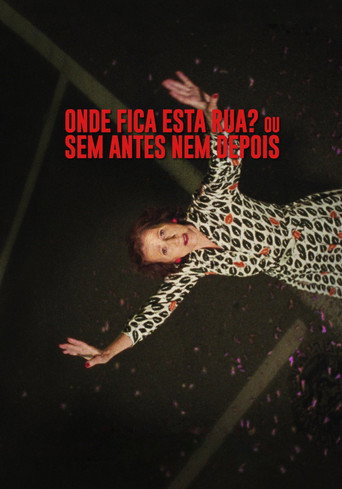
From our window one can see a set of the film The Green Years, directed by Paulo Rocha in 1963. This was our starting point: guided by Rocha's gaze, we look back at the places of that film. The successive geological, urbanistic and social strata of Lisbon, besieged by the pandemic that interrupted the shooting, are drawn out in front of our camera, like a contemporary jazz impro from a score written in 1963.
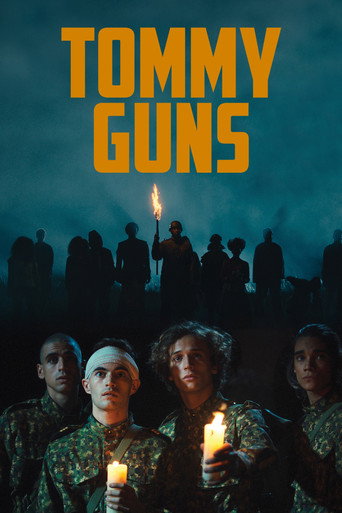
Tommy Guns
In 1974, after years of civil war, the Portuguese and their descendants fled the colony of Angola where groups working for independence gradually claim their territory back. A tribal girl discovers love and death when her path crosses that of a young Portuguese soldier. Meanwhile, another group of Portuguese soldiers is barracked inside an infinite wall from which they will have to escape once the past comes out of the grave to claim its long-awaited justice.
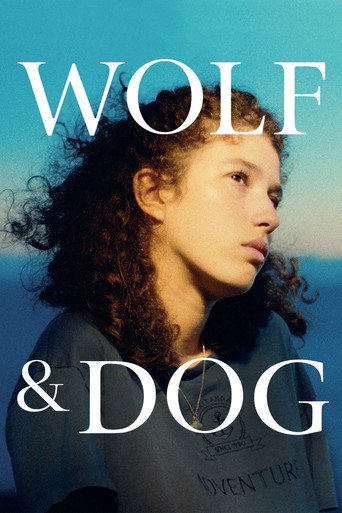
Wolf and Dog
Ana was born in São Miguel, an island in the middle of the Atlantic Ocean ruled by religion and traditions. Growing up as the middle child of a family of three with her mother and grandmother. Early Ana realized that girls and boys were given different tasks. Through her friendship with Luis, her queer best friend who loves dresses as much as pants, Ana questions the world that is promised to her. When her friend Cloé arrives from Canada, bringing with her the glowing days of youth, Ana embarks on a journey that will take her beyond the horizon.

Domy + Ailucha: Ket Stuff!
In 2020, unable to travel, Ico Costa left a small camera with Ailucha and Domy, two young Mozambicans from the city of Inhambane, and asked them to film their daily lives. The result: working, playing, walking, hanging around, smoking, listening to music, singing, dancing, feeling desire – being teenagers.
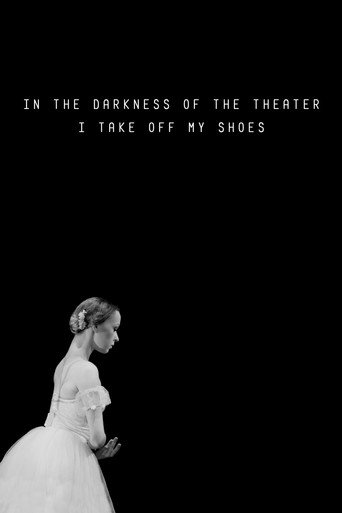
In the Darkness of the Theater I Take Off My Shoes
The National Ballet of Portugal is celebrating its 40th anniversary. Since its foundation, it has aimed to present the great classics, as well as to always welcome contemporary creations. Day-to-day life is demanding for dancers, choreographers, musicians, répétiteurs, seamstresses, light technicians, sound technicians, and other elements of a large staff that make it possible for dance to travel through the rehearsal rooms and linger in the hallways before making it onto the stage. This film follows not only the company’s creations and premieres, but mainly each dancer’s silent and structural work.
Reynard
Cunning and slender, harassed and on the run, Reynard is a metaphor of a never ending obsession with each breath, each gesture, each thought. Marta seeks in the emptiness of her body a way to arrive to her inner essence, in an abstract search of a free spirit that might end in her own enclosure.
Nameless Heitor
"I've been on this cliff for almost a year, here on the lookout. Always aware of the sea and the enemy, even though I've never seen him. The man riding a horse gave me a new order, to be even more on alert, waiting for a mirage, for a ghost that will not come."