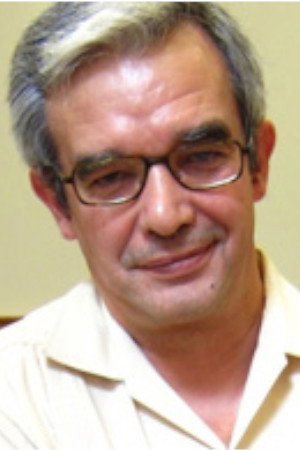
João Mário Grilo Movies, TV Shows, and Filmography
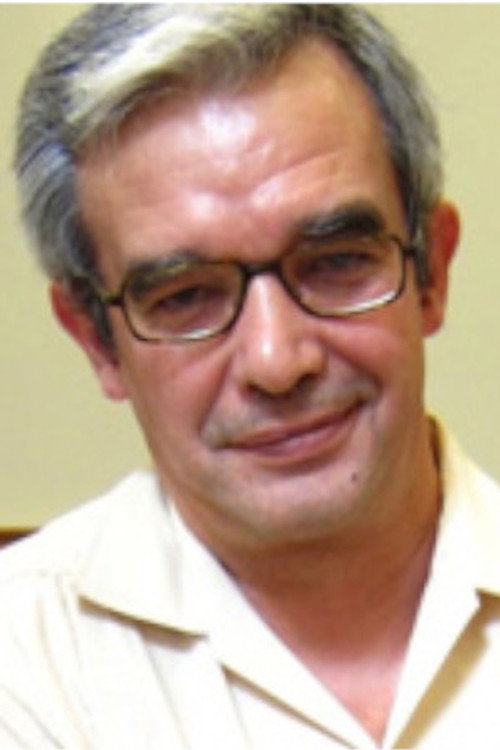
João Mário Grilo
Directing
Biography
João Mário Grilo is a Portuguese director, screenwriter, film scholar and film teacher. He was nominated for the Golden Lion in the Venice Film Festival with his 1982 film "A Estrangeira".
Filmography Movies
Acting
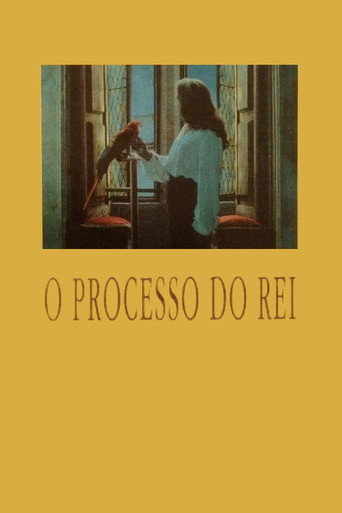
The King's Trial
At the time Portugal presented a strange spectacle to the rest of Europe. D. Afonso VI, son of the fortunate D. João de Bragança, was in possession of the throne and was an insane imbecile. His wife, daughter of the Duke of Nemours and cousin of Louis XIV, dared hatch a plot to oust her husband from the throne. The king's stupidity justified the queen's bravado. Despite being master of unusual strength and having slept with his wife for a long time, she accused him of being impotent. Marie Françoise had acquired through artfulness what Afonso had lost in anger in the kingdom. She had him imprisoned ( November 1667 ) and quickly obtained a papal bull from Rome to confirm her virginity and bless her marriage to her brother-in-law Pedro. Portugal's submission for the Academy Award for Best Foreign Language Film in 1990.
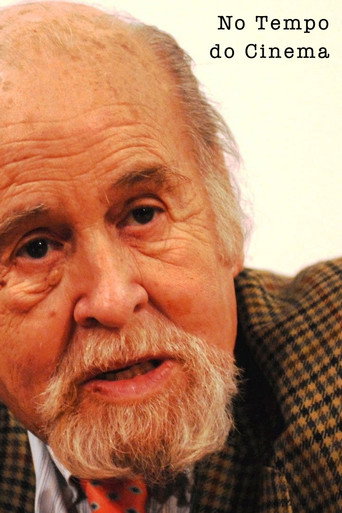
No Tempo do Cinema
A 58 minute documentary about the life of João Bénard da Costa.
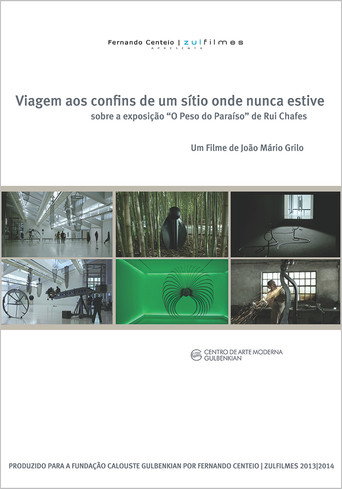
Viagem aos Confins de um Sítio Onde Nunca Estive
“The artist, in his movement towards the ideal, upsets the stability of any one society. Society aspires to achieve stability; the artist aims for infinity. That is the artist’s responsibility and the spiritual sacrifice demanded of him.” Rui Chafes, O Perfume das Buganvílias, 2012 (19).
Acts of Cinema
Cinema and affections from life in images and what goes on outside the frame. 'Snapshots' of shootings and the present-day memory of directors, actors and technicians.
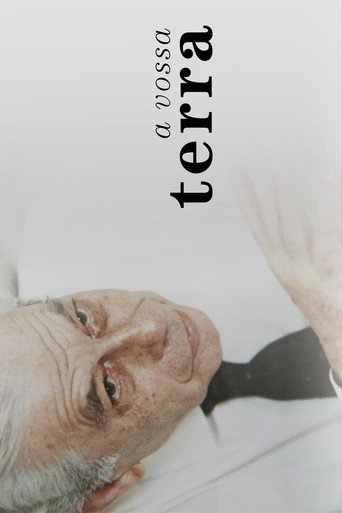
A Vossa Terra
Using texts and landscapes belonging to Gonçalo Ribeiro Telles and to a life of work dedicated to landscape architecture, João Mário Grilo composes this poetic documentary about the evocative power of nature and man.
Production
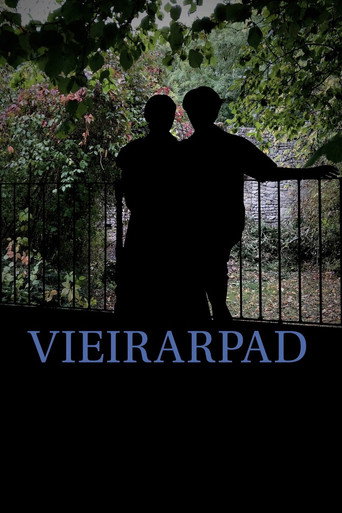
Vieirarpad
VIEIRARPAD begun with the correspondence between the couple Maria Helena Vieira da Silva and Arpad Szènes, between 1932-1961. The letters and the intimacy of their words are pretext for the exploration of an equally intimate visual journey
Vieirarpad
VIEIRARPAD begun with the correspondence between the couple Maria Helena Vieira da Silva and Arpad Szènes, between 1932-1961. The letters and the intimacy of their words are pretext for the exploration of an equally intimate visual journey
Vieirarpad
VIEIRARPAD begun with the correspondence between the couple Maria Helena Vieira da Silva and Arpad Szènes, between 1932-1961. The letters and the intimacy of their words are pretext for the exploration of an equally intimate visual journey
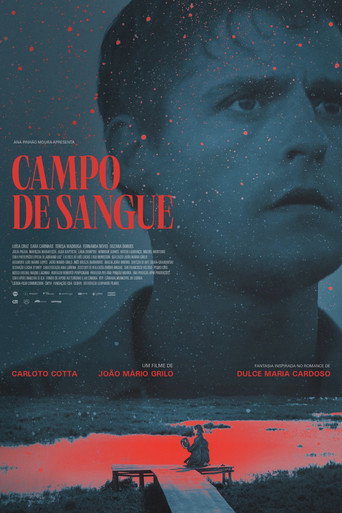
Field of Blood
The character of a novel gains life to torment the author, revisiting and reliving the story of a crime.
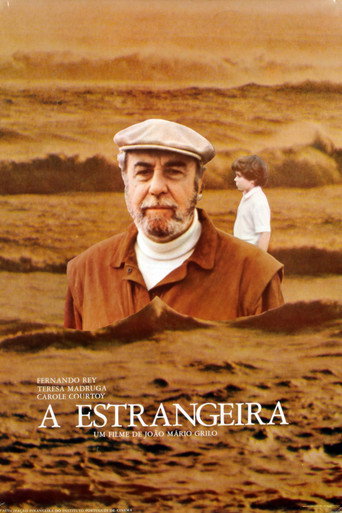
A Estrangeira
The shady side of an Italian textile trade in northern Germany is the subject of this slow-paced but atmospheric drama featuring Alberto Sordi as Totonno, a low-level, petty criminal anxious to move up a somewhat crooked ladder. Rising to the rank of the "dons" -- Don Raffaele (Carmine Ippolito) or Don Gennaro (Pasquale Cenammo) -- is not an easy task, as Totonno is about to find out. In the meantime, Paula (Belinda Lee) provides a romantic distraction, and another would-be entrepreneur opts for the straight and narrow. This uneven feature offers some colorful performances but the sum is less convincing than its parts.
The King's Trial
At the time Portugal presented a strange spectacle to the rest of Europe. D. Afonso VI, son of the fortunate D. João de Bragança, was in possession of the throne and was an insane imbecile. His wife, daughter of the Duke of Nemours and cousin of Louis XIV, dared hatch a plot to oust her husband from the throne. The king's stupidity justified the queen's bravado. Despite being master of unusual strength and having slept with his wife for a long time, she accused him of being impotent. Marie Françoise had acquired through artfulness what Afonso had lost in anger in the kingdom. She had him imprisoned ( November 1667 ) and quickly obtained a papal bull from Rome to confirm her virginity and bless her marriage to her brother-in-law Pedro. Portugal's submission for the Academy Award for Best Foreign Language Film in 1990.
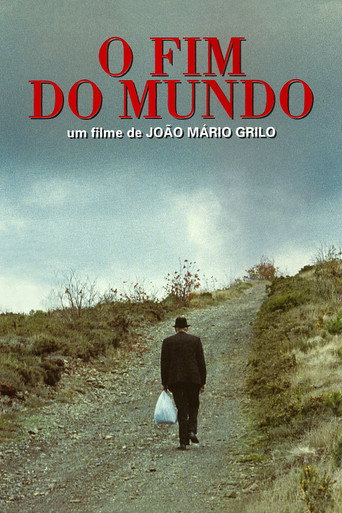
The End of the World
In the quietness of rural life, small disputes about the right to use a rivulet may take the proportion of a life-and-death matter..
The End of the World
In the quietness of rural life, small disputes about the right to use a rivulet may take the proportion of a life-and-death matter..
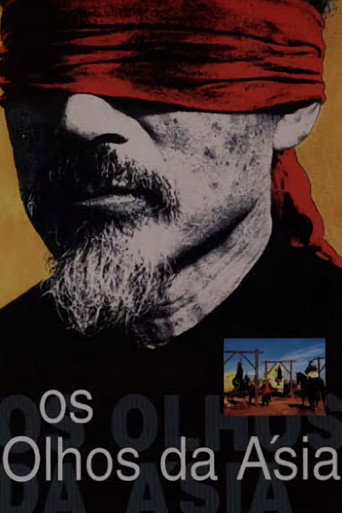
The Eyes of Asia
Julian Nakaura, a priest of the Society of Jesus, was one of four young ambassadors sent to Rome by the Jesuits in 1582, as proof that Japan had converted to Christianity. Fifty years after the mission, which so fascinated European royalty, Julian was forced again to prove his faith, only this time before a Shogun, who wanted to force him to abandon his religion. Julian resists, as does Miguel Chijiwa, a fellow at the embassy to Rome, who become a martyr. Betrayed by Cristóvão Ferreira, who cannot bear the torture, Julian suffers an inglorious death ... or maybe not. All the while, a woman wants to discover her past...
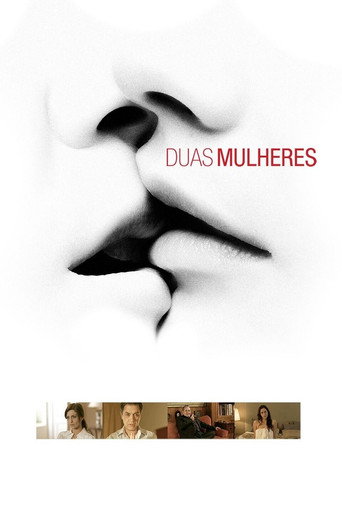
Two Women
Joana, 40 years old medical phychiatric, is married to Paul, an executive of a large financial company. Paul hopes that Joana fulfils her role and follows his constant social influences demonstrations. But the marriage is profoundly altered when Mónica, a young model, enters Joana´s life. Irresistibly attracted, they involved romantically, in a world of liberating experiences and feelings. But this will be a short trip, since the revelation of this affair forces Paulo to take drastic measures... ~ FICA
Gallery