Directing
No biography available.
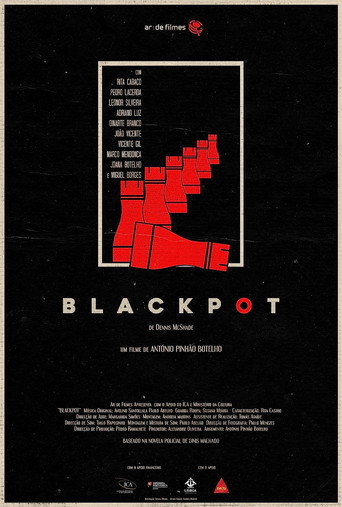
A reorganization within a crime syndicate.
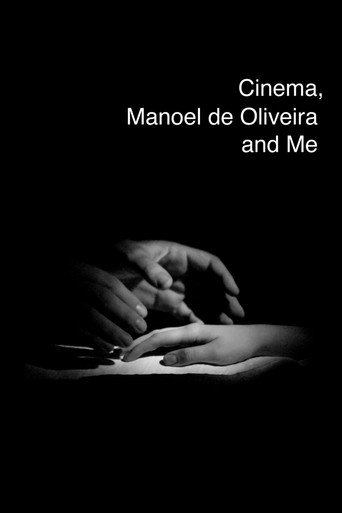
“An old photograph taken 36 years ago. His hand rests on my shoulder. A blessing, a gift. Then a history of over four decades of friendship, admiration and apprenticeship. A journey into Oliveira’s cinema, his method, his way of filming and his extraordinary cinematic inventions. He lived for over a century, over a century of cinema, cinema in its entirety. For him, and for me too now, documentary and fiction films go hand in hand; it is all about cinema. So I had the audacity to film a magnificent story that Manoel loved but never filmed, one that he left behind as if his hand and eyes were close to God, or among the gods, and he was steering me.” - João Botelho
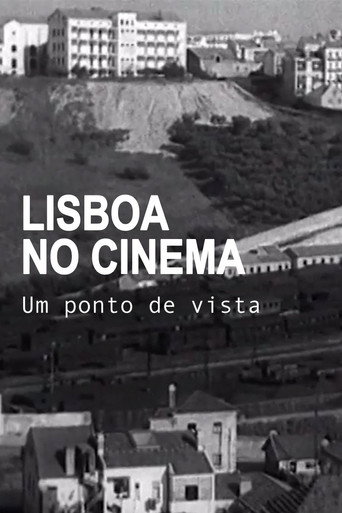
The city during the beginning of cinema. The typical city at the time of the dictatorship. The New Lisbon of the New Cinema. Lisbon after the Revolution. The white city of foreigners. A geographical and moviegoer screenplay of Lisbon through the images of films and testimonies of several filmmakers who filmed in Lisbon.
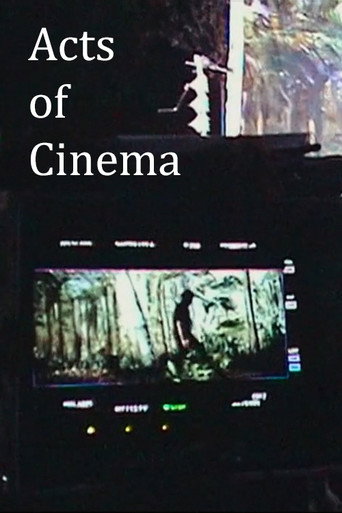
Cinema and affections from life in images and what goes on outside the frame. 'Snapshots' of shootings and the present-day memory of directors, actors and technicians.
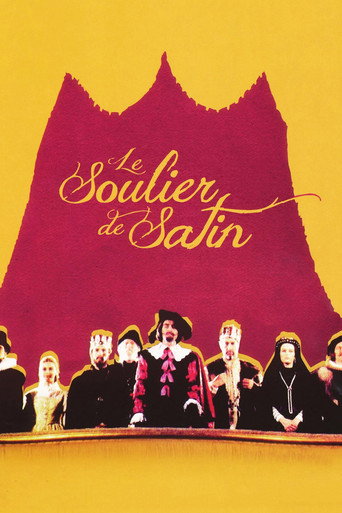
During the century of the Spanish Gold, Doña Prouhèze, wife of a nobleman, deeply loves Don Rodrigo, who is forced to leave Spain and go to America. Meanwhile Prouhèze is sent to Africa to rule the city of Mogador. Ten years later Rodrigo leaves America and travels to Africa in search of Prouhèze to find out that she died and eventually meeting her daughter.
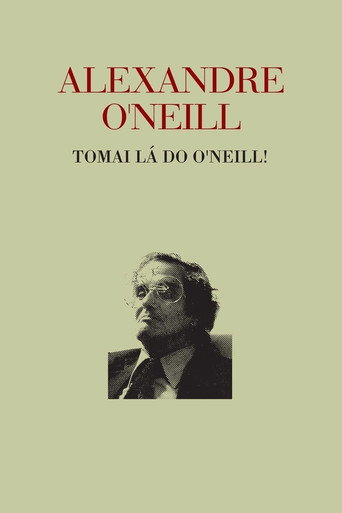
A personal tribute to the poet Alexandre O'Neill by his dear friend Fernando Lopes.
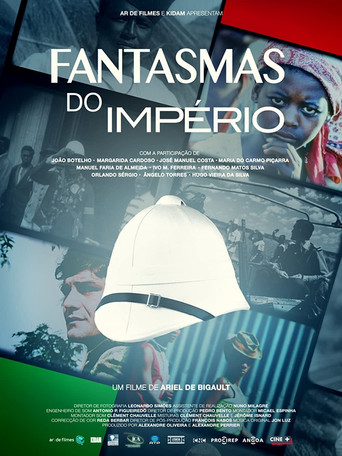
Ariel de Bigault's work has been connected to the routes of the Lusophone World. In Fantasmas do Império we are guided by the saotomean actor Angelo Torres through some works of the Portuguese cinema that explored its colonial past. Some directors as Fernando Matos Silva, João Botelho or Margarida Cardoso help to understand imperialism, colonialism, and propaganda seen through the "family album" which is the Portuguese cinematic collective imaginary.
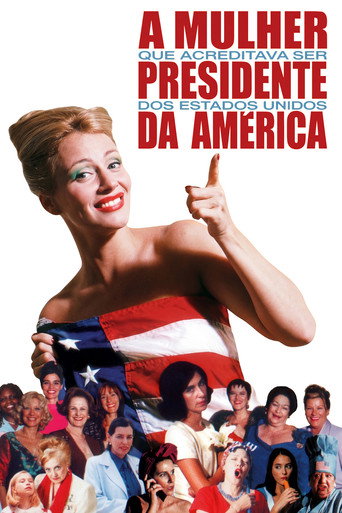
Alexandra Lencastre plays a woman who believes she is President of the U.S.A.
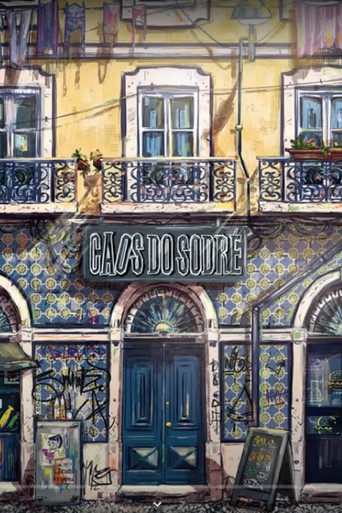
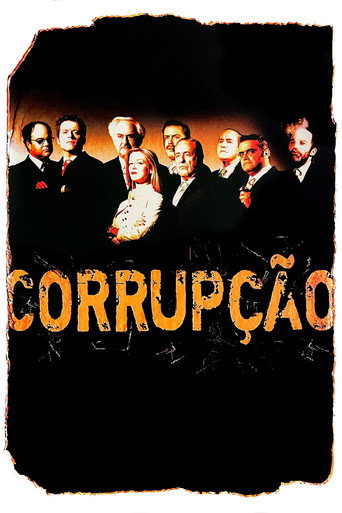
A crime drama based on the life of a woman who lived for years with a man that was the head of a corruption network in the Portuguese football world.
A film adaptation of the Charles Dickens novel "Hard Times" set in a Portuguese industrial town of the 1980s.
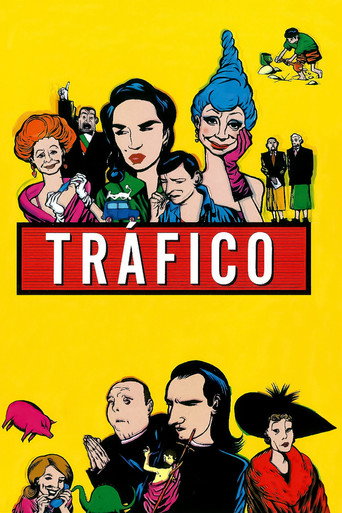
Young Jesus is taken on a vacation by his parents (Rita Blanco, Adriano Luz) to a deserted beach resort. They accidentally fall into overnight wealth after Jesus digs in the sand, uncovering a large drug stash. Others characters intersecting here include an alcoholic actress, a philandering banker, a general trafficking in arms, priests who close their church and head north as hitchhikers, politicians who watch an all-girl production of Julius Caesar, and beggars who recite a children's story in a huge heap of trash.
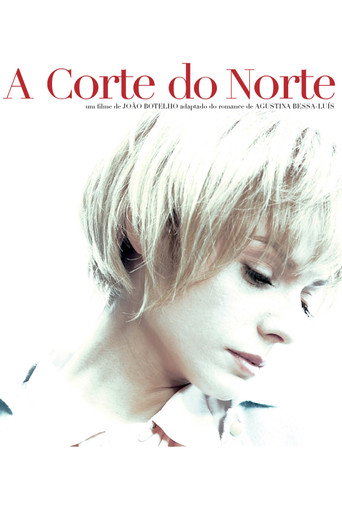
Adaptation of a 1987 novel by Agustina Bessa Luis, a multi-generation exploration of a wealthy family with a mysterious past and a house on the island of Madeira.
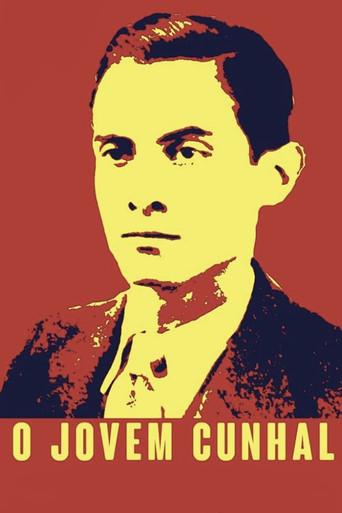
The revolutionary Álvaro Cunhal, symbol of Portuguese communism and political giant of the 20th century. He is nothing less than a larger-than-life figure, now examined by João Botelho’s camera, in a detective-minded film, in which the early years of the life of the historic leader of the Portuguese Communist Party are explored. In between, excerpts from his own books are staged for the spectator.