Editing
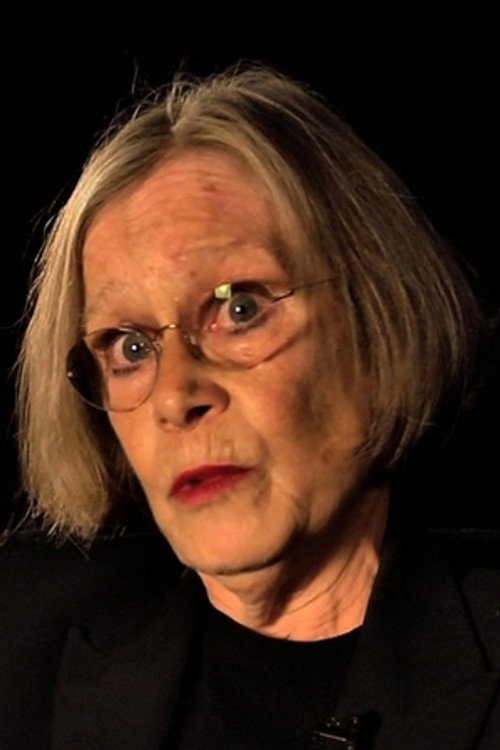
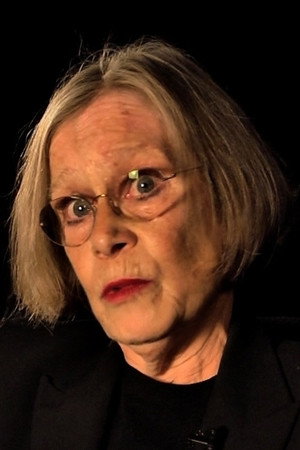
Jo Ann Kaplan was an American filmmaker, editor and artist.
Times are hard for little Sofia, as the Greek recession is taking its toll. With her Father out of work, they rely solely on Greedy Grumpy Granny's pension. Desperate times call for desperate measures; to what extremes will they go, when Granny is no more?
Face of an Angel is inspired by Puccini’s opera La Fanciulla del West, set during the Californian gold rush. The film is shot is the scarred black landscape of an open cast mine in South Wales, one of the original coal mining areas which fuelled the industrial revolution in Britain. Taking the theme of redemption, the film depicts choreographed yellow dumper trucks, portraits of miners and an escape to another life using the painterly surface of low format video. Fragments of music from the opera are woven into an industrial sound track.
Experimental drama.
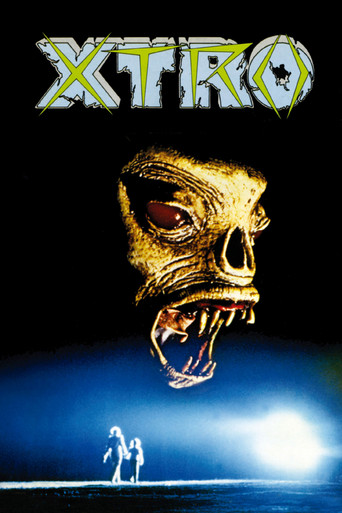
Tony's father Sam, abducted by aliens three years earlier, returns to earth and seeks out his wife and son, but Rachel has since been living with Joe and the reunion is awkward. Joe doesn't trust Sam, and Rachel can't quite decide what her feelings are for her two men. Sam is not the same as when he left, and he begins affecting Tony in frightening ways.
A clear-eyed look at the inevitability of our demise, based on Philip Larkin’s poem of the same name.
A retelling of the Biblical story of Judith and Holofernes, exploring female aggression and the links between war and sexual desire.
Profile of four independent women filmmakers: Joanna Davis, Tina Keane, Annabel Nicolson and Lis Rhodes, who are shown at work with Felicity Sparrow of Circles, the Women's distribution group which they helped to found. They relate the struggle for a new cinema to the wider aims of the women's movement.
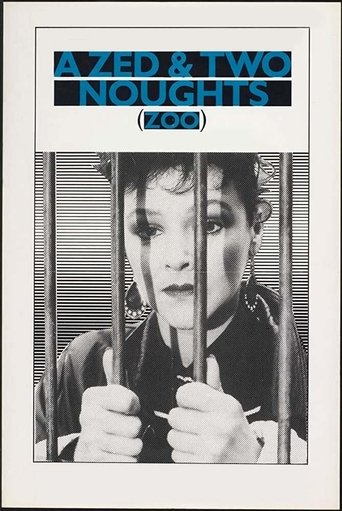
Identical twin zoologists lose their wives in a car crash caused by a white swan. They become obsessed with the death and decay of animals, and develop a strange and unusual relationship with the driver of the car, a woman who is now an amputee.
A woman sits alone in a bare white tiled bath, reading Georges Bataille’s ‘Story of the Eye.’ The bizarre events described in the text provoke a series of fantasies in which the room and its accoutrements become the stage and the woman the main player. As her dreams unfold in the liquid medium of the bath, she becomes the ‘eye’ of the story and her own body the object of its gaze. With a feminine hand, THE STORY OF I plucks Bataille’s central metaphor from its original context and re-invents its erotic vision from the inside out. The eye is the vagina, seen throught he blood, urine and tears, it looks at itself in a mirror.
Directed by Jo Ann Kaplan.
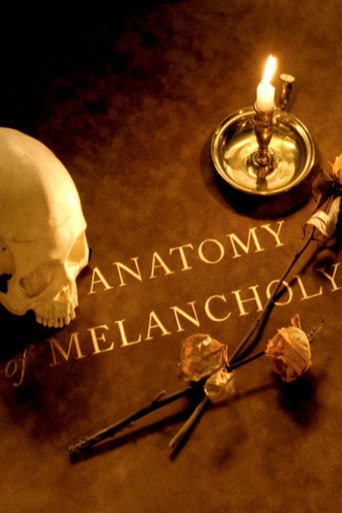
"An Anatomy of Melancholy" is a cinematic meditation on mortality which takes the form of a special anatomy book - one in the process of being made. As hand-drawn illustrations appear slowly and painfully on the pages of the book, showing us parts of a dissected human body, we witness both the act of creation and a testament to our own passing. Accompanying the simple but powerful images of the human body, we hear the words of Keats' Ode on Melancholy: "Ay, in the very temple of Delight. Veiled Melancholy has her sovran shrine..."