Directing
No biography available.
Never broadcasted feature film by Chinese documentary filmmaker Kang Jianning.
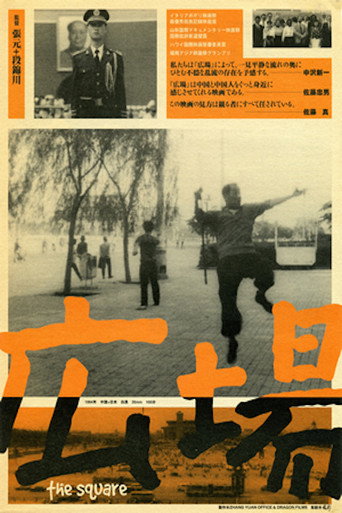
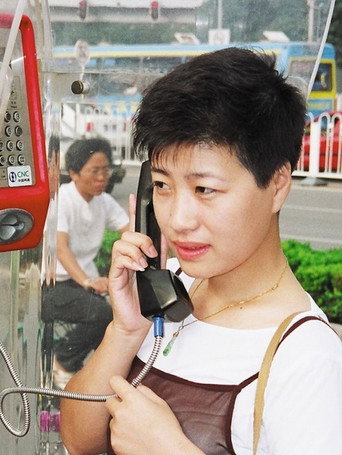
The film documents a day in the life of Tiananmen Square in 1994, a mere five years after the crushing of a student-led democracy movement in 1989.
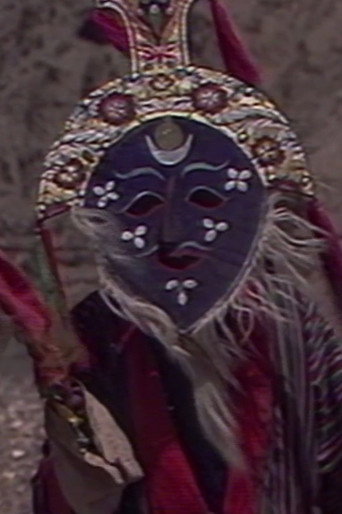
Early TV documentary short film by director Duan Jinchuan about traditional Tibetan opera performances.
Early short documentary film by Duan Jinchuan. It is considered by the filmmaker to be lost.
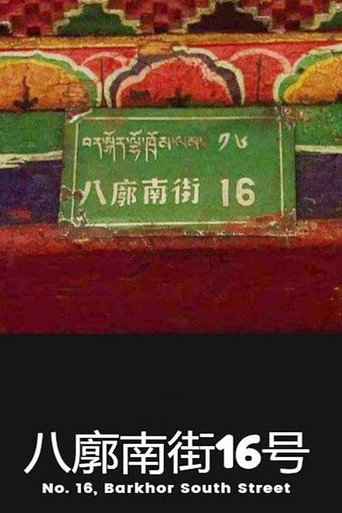
No.16, Barkhor Street is an old courtyard in the heart of Lhasa and the site of the office of the Barkhor Neighborhood Committee. This masterful cinema verité documentary, the landmark work in the history of independent documentaries about Tibet, provides is a photographic study of rich insight into the basic workings of government in Tibet as it that follows the local Party Secretary, Deputy Director, Director for Women’s Affairs, and Community Policeman, among others, as they implement official policies and manage neighborhood affairs.
A film by Chinese documentary filmmaker Jinchuan Duan.
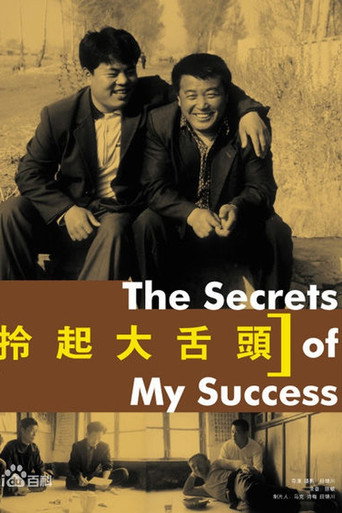
Interesting Times: The Secret of My Success is a 2002 Chinese documentary film by director Duan Jinchuan about China's contemporary politics of democracy and the realities of the one child policy. The director shows how this policy is being implemented in Fanshen, a rural village in Northeast China. The film is part of the series, called Interesting Times, which shows different aspects of modern life in China. The other films in the series are: The War of Love (dir. Duan Jinhuan and Jiang Yue), Xiao's Long March (dir. Wu Gong AKA Kang Jianning), and This Happy Life (dir. Jiang Yue). The documentary aired on TV in a shortened version with English narration (59 min.), but a longer version (71 min.) screened at some international festivals.
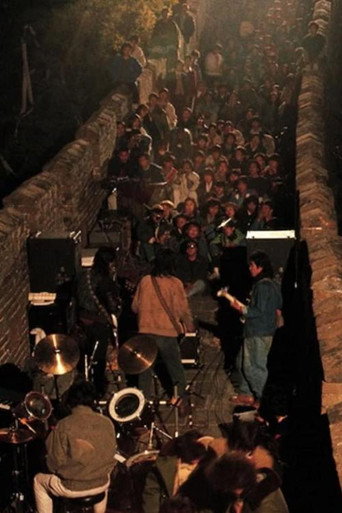
On Tomb Sweeping Day, in 1988, a film crew set out for the monument of the Tangshan earthquake to shoot a memorial ceremony for the victims. This marked the beginning of shooting for a documentary called "The Great Earthquake." The crew continued to shoot through the rest of 1988, even staging a large-scale rock 'n' roll concert and performance art event on the Great Wall, and into 1989, including footage shot at the famous 1989 Avant-Garde Art Exhibition, where one artist fired two gun shots at her exhibit. More footage was shot during the Tiananmen protests, up until the events of June 4th shut down production for good. Shortly before, a two-hour "rough cut" was assembled by main director Wen Pulin and Assistant Director Hao Zhiqiang, which screened only once (and is preserved at University libraries in the U.S.). The footage has been recycled in some of Wen's later films, notably "China Action," but "The Great Earthquake" itself was never finished.
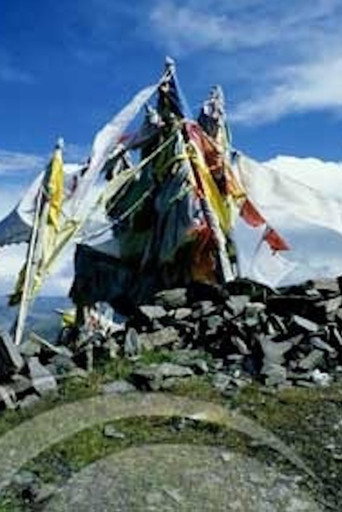
Qingpu is a famous sacred mountain in Tibet, where countless monks have practiced for thousands of years. In 1989, Wen Pulin and Duan Jinchuan followed several monks up the mountain and took video of them. After three years, they revisited the same people and got a little closer to understanding their lives. As an in-depth dialogue with down-to-earth, rural people in Tibet, the film strives to understand Buddhism both as a philosophy, but also as a personal choice of lifestyle, as a transcendence of the chaos of life.
Documentary which follows the lives of a group of Tibetan herdsmen living on the Phala Grasslands in the northwest Tibetan plateau. This film follows the decision of a Tibetan nomad living far from any town who has invested money in a truck that doesn’t work.