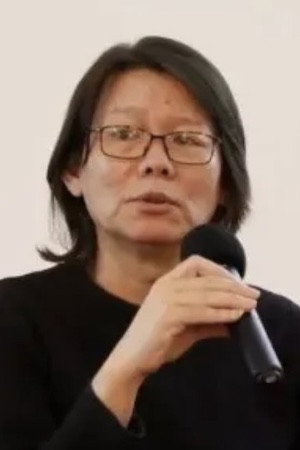
Jiang Yue Movies, TV Shows, and Filmography
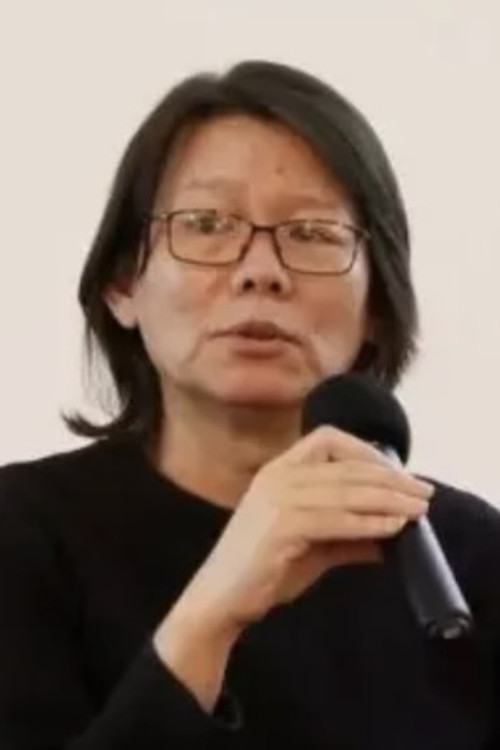
Jiang Yue
Directing
Biography
Jiang Yue (蒋樾, b. 1962) is a Chinese documentary filmmaker and one of the central figures of China’s New Documentary Movement. Born in Beijing, he graduated in 1988 from the Chinese Traditional Opera Academy (中国戏曲学院) with a degree in dramatic literature and screenwriting before joining the Beijing Film Studio, where he worked under director Huang Jianzhong and participated in productions including The Policeman of the Year of the Dragon (龙年警官) and The Spring Festival (过年). Beginning in the early 1990s, Jiang turned to independent documentary filmmaking, traveling to Tibet to direct or co-direct four documentary films: Lama Tibetan Opera Troupe (喇嘛藏戏团, 1991), Lhasa Snow Residents (拉萨雪居民, 1992), and Catholicism in Tibet (天主在西藏, 1992), and Celestial Burial (達木天葬台, co-directed with Wen Pulin, 1992). After returning to Beijing, he became associated with the influential television documentary program Oriental Horizon (东方时空) and its documentary sub-program Living Space (生活空间), helping pioneer a new observational documentary style in China through works such as Three Eastern Heroes (东方三侠), Opera Performers (票友), Going to Work (上班), and Miners (矿工). Jiang is particularly known for documentaries that examine the tensions between individual lives and broader historical and social transformations. His major works include The Other Bank (彼岸, 1995), A River Stilled (静止的河, 1998), Happy Life (幸福生活, 2000), War of Love (爱情战争, co-directed with Duan Jinchuan, 2002), and The Storm (暴风骤雨), a documentary investigation of land reform and historical memory in northeastern China. Critics and fellow filmmakers have frequently cited Jiang, alongside Wu Wenguang and Duan Jinchuan, as one of the most important pioneers of independent documentary practice in post-Mao China. In 1998, Jiang co-founded the Memento Films (年年三畅影像工作室) with Kang Jianning and Duan Jinchuan, producing documentary projects for broadcasters including the BBC, ARTE, and China Central Television. Throughout his career, Jiang has emphasized documentary film as a means of preserving lived experience and historical memory, particularly the voices of ordinary people whose stories might otherwise disappear from the historical record.
Filmography Movies
Production
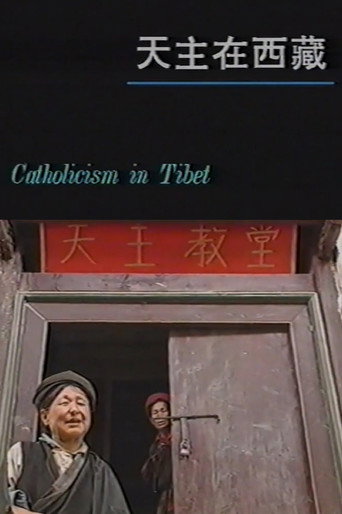
Catholicism in Tibet
One of four documentary films made by Jiang Yue in Tibet during his trips in 1991 and 1992. "In between Southeastern Tibet, Sichuan Province, and Yunnan Province lies Tibet's only surviving Catholic Church and its congregation of over 400 people."
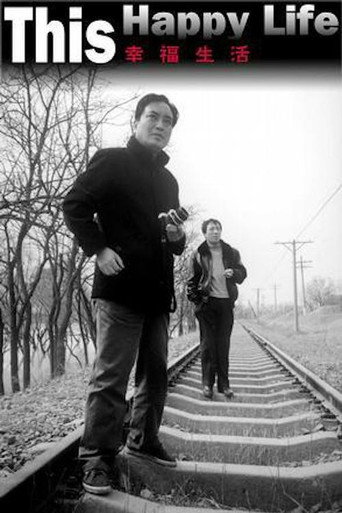
Interesting Times: This Happy Life
Part of the 'Interesting Times' series with Kang Jianning's Xiao's Long March and Duan Jinchuan's My Secret to Success.
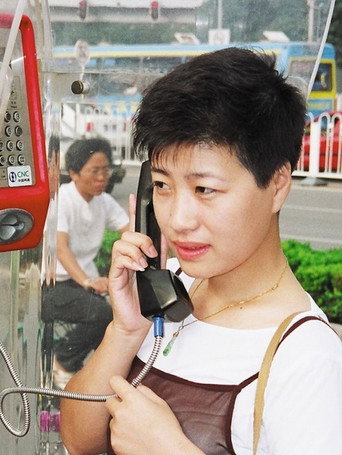
The War of Love
A film by Chinese documentary filmmaker Jinchuan Duan.
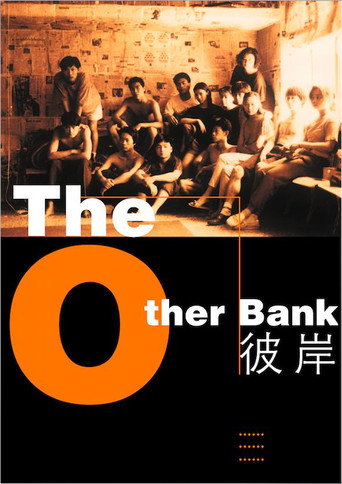
The Other Bank
Young students from across the country are invited to Beijing to perform a play written by future Nobel Laureate Gao Xingjian. The film documents their feverishly intense rehearsals, the phenomenal public reception of their performances, and their desperate attempts to sustain their euphoria and pursue artistic careers in Beijing.
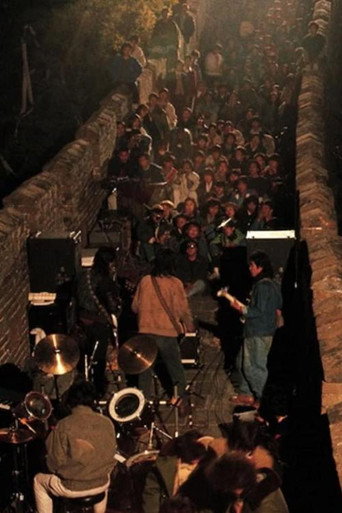
The Great Earthquake
On Tomb Sweeping Day, in 1988, a film crew set out for the monument of the Tangshan earthquake to shoot a memorial ceremony for the victims. This marked the beginning of shooting for a documentary called "The Great Earthquake." The crew continued to shoot through the rest of 1988, even staging a large-scale rock 'n' roll concert and performance art event on the Great Wall, and into 1989, including footage shot at the famous 1989 Avant-Garde Art Exhibition, where one artist fired two gun shots at her exhibit. More footage was shot during the Tiananmen protests, up until the events of June 4th shut down production for good. Shortly before, a two-hour "rough cut" was assembled by main director Wen Pulin and Assistant Director Hao Zhiqiang, which screened only once (and is preserved at University libraries in the U.S.). The footage has been recycled in some of Wen's later films, notably "China Action," but "The Great Earthquake" itself was never finished.
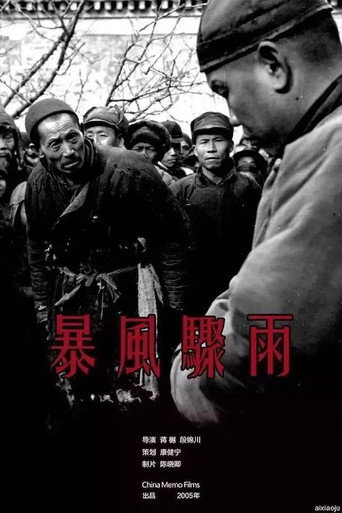
The Storm
This documentary is named after the well known novel (and later propaganda film) of the same title, which offered a telling of an historic event in 1946 in Northeastern China, when the CCP initiated Land Reform as a means of attracting peasants to join-up with the PLA and help seize state power. Decades later, residents who are still alive and can recall those days offer their personal memories of the class struggle that erupted in Yuanbao Village. Meanwhile, in today's Yuanbao, the local cultural bureau is setting up the Museum of Land Reform as a memorial and a space for education.
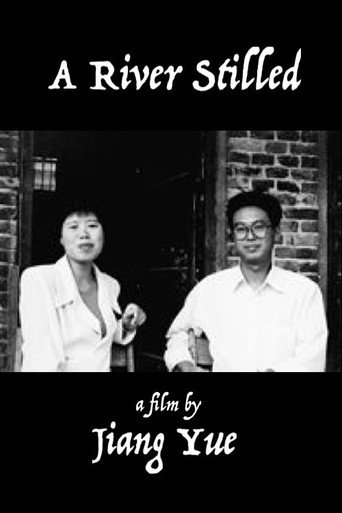
A River Stilled
This film shows the story of a young couple who meet and marry while working on the Three Gorges Dam project on the Yangtze River — with a backdrop of the daily life of the ten thousand(!) other workers. This film covers the time span until the work of checking the dam is completed in November, 1997. The young couple are standing at a difficult cross-road. While he has lost his job; she is about to give birth to their child. No one knows what will befall the young couple, but the film succeeds in making us feel invested in their hopes for the best, in their future happiness.
Theater Troupe of Lhama Priests
Jiang Yue and cinematographer Bi Jianfeng set out to capture a Lama Tibetan Opera group. They did not have much knowledge about filming documentaries at the time. Jiang Yue wanted to artificially construct the scene, but this idea was quickly dispelled by the director of the Tibetan Opera group, Yixi Jiacuo, who insisted that there must be audiences in order for the players to perform on camera. By the end of the show, the audience was touched, as was Jiang, who said that he realized that there was a different energy to his film because of the audience's presence.
The Residents of Lhasa's Potala Square
Independent documentary by Jiang Yue.
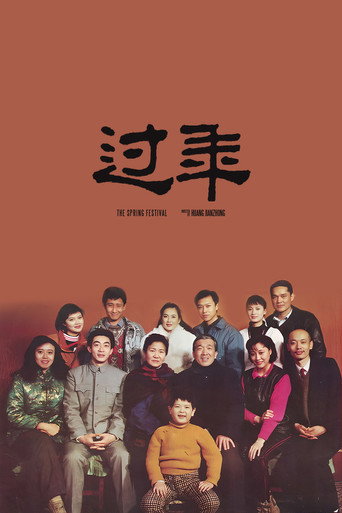
The Spring Festival
A story of a family's dilemma between different family member especially between 2 generations which erupted on “chu xi” (the day before the first day in Chinese lunar year).
Gallery