Camera
No biography available.
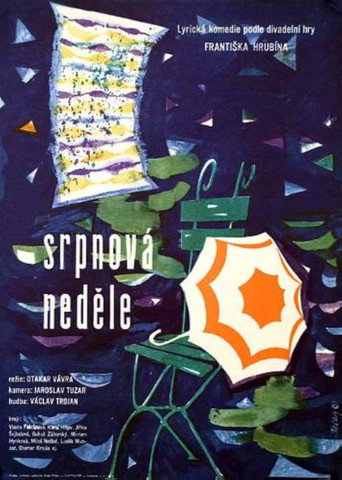
This lyrical comedy story takes place in two hot days in the small South Bohemian village. On the shore of a small pond, summer guests and local youth meet. As is typical of the works of Hrubín, it is a conflict of youth and age, life and death, represented by the medical student Zuzana and her beloved Jirka.
An insight into the lives of adolescents, it is about an ordinary boy who falls in love with a student. But soon he faces a serious rival in the form of a local seducer...
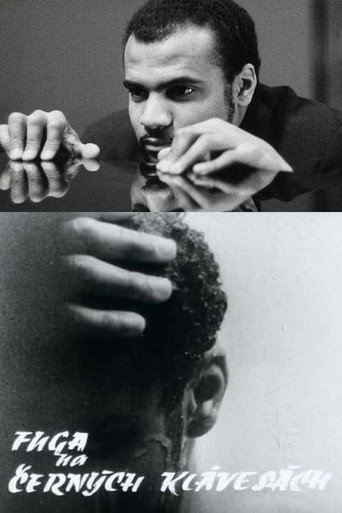
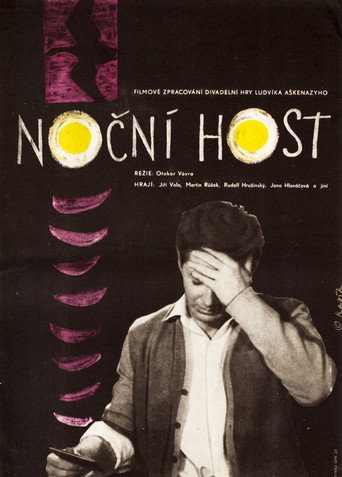
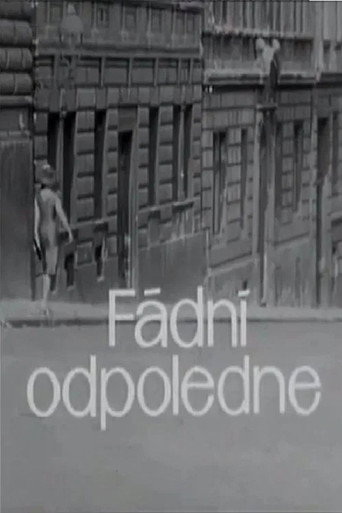
Fati Farari, a black man from Africa, is completing his studies in classical piano at the Music Academy of Prague. It's the day before his first solo concert, where he is going to play Bach. While he strolls around the city he is thinking, not so much about the concert as about himself, both as a lonely foreigner and as a human being in cosmos. Here and there he encounters some racist comments, but mostly he just feels the weight of social exclusion because of his otherness, especially when it comes to women. On the morning of the day for his concert the embassy informs him that his whole family has perished. He feels totally broken, although he thinks that everyone holds some pain inside. His piano teacher, a professor at the Academy, looks him up, and tells him that he heard what has happened. The professor advises him to communicate his feelings that evening by using his Bach.
Captain Martin from the police's child department and his colleague Kraus are called to Znojmo to help solve a case regarding stolen toys found in the town's subterranean passages. The members of the local police department are convinced that the thieves are the well-known "customers" from the Znojmo elementary school, pupils Exner and Mandlík. Martin, however, has doubts about these culprits. These doubts grow even stronger after the local self-service shop is robbed and the local tobacco store reports that it is missing a lot of imported cigarettes. Martin questions the children, inspects both shops and searches through the underground.
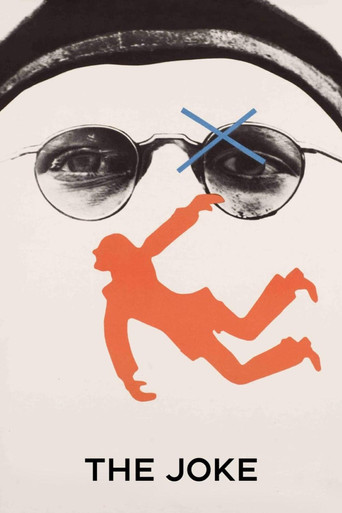
In the 1950s, Ludvik Jahn was expelled from the Communist Party and the University by his fellow students, because of a politically incorrect note he sent to his girlfriend. Fifteen years later, he tries to get his revenge by seducing Helena, the wife of one of his accusers.
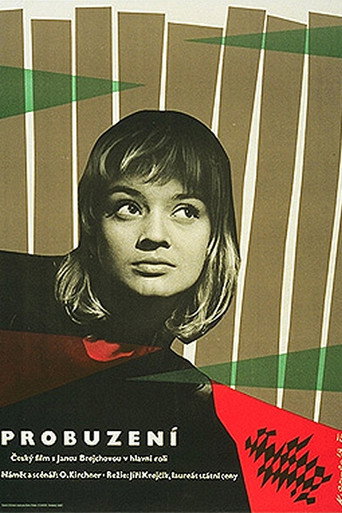
Delinquent youths wander aimlessly and commit mischief. Few, however, manage to break free from the influence of such a gang. One of the lucky ones is a girl who grew up in an orphanage - already reformed and reformed, she remembers her dark past.
When a man stops at a motel one evening in 1961, his tormenting behavior drives one of the people present at the motel to remember his experiences in a concentration camp during WWII.
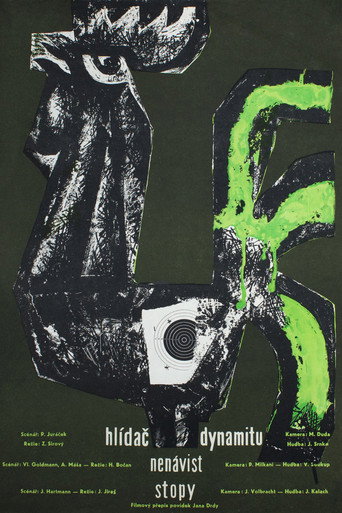
Three separate short stories by Jan Drda from the collection The Dumb Barricade: The Dynamite Watchman, Hatred and Traces.
Frantík arrives in Prague for the holidays and discovers an abandoned tram named Terezka. With local children, he secretly paints and hides it to prevent scrapping, then organizes a scrap-metal collection to raise funds for its restoration.
A musical comedy about two indistinguishably similar siblings who love music, but each of them is completely different. Pavel Fořt is a professor of classical music at a pedagogical institute, his brother is a jazz musician and plays music in America. When the twin brother suddenly appears in Prague, they switch roles.
While a woman is in the hospital preparing to deliver her child, her husband has all day to reflect upon his wife and their relationship. As he tends to his job as a television repairman, Slavek fondly remembers how he first met Ivana and the days they spent getting to know one another. Slavek also grows increasingly aware of the environment that surrounds him and questions the society his new child will be entering.
Several parties—a prostitute, aging football players, working girls, two men playing pool, and a hedonistic young man—each coalesce in a tavern.
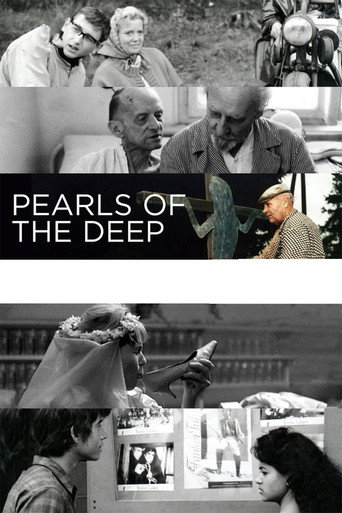
A quintet of vignettes based on short stories by Bohumil Hrabal: an eventful trip to the motorcycle races results in drunkenness, long-winded discussions, and death; two elderly men create false biographies; insurance agents visit an eccentric painter/goat farmer and his mother; guests at a wedding reception remain oblivious to outlying misery; and a working-class boy romances a Roma girl.
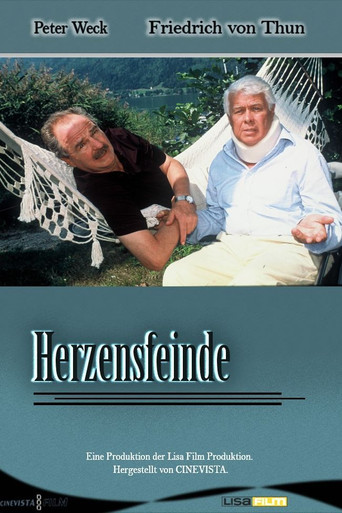
Hypochondriac Hermann Ladner is invited on a Mediterranean cruise by his late wife's brother, Heinz Wucher. However, Heinz gambles away the money for the tickets and Hermann sets off for Italy in his caravan. Heinz, meanwhile, has sneaked into the caravan and travels along as a blind passenger.
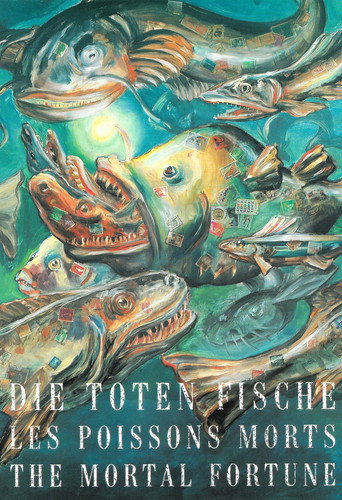
On the basis of the hardy perennial "boss-assistant" relation, "The Mortal Fortune" depicts the passion of worldly existence. The anonymous hero of the story, to which the spectator is introduced, attempts at freeing himself from his enslaved life. He finally has to realize the transience of the creature man and whithdraws from the constraints of worldly existence.
Tommi Fischer, a newly divorced copywriter is looking for a replacement mother for his son. When he falls for the emancipated costume designer Evelyn he soon finds himself in the undesired role of a stay-at-home dad.