Jerzy Stuhr Movies, TV Shows, and Filmography
Jerzy Stuhr
Acting
Biography
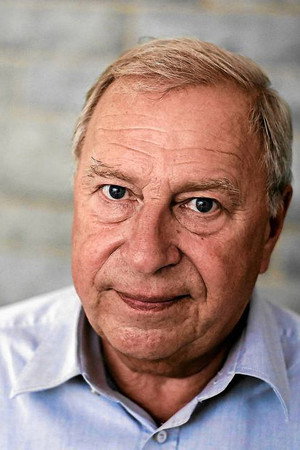
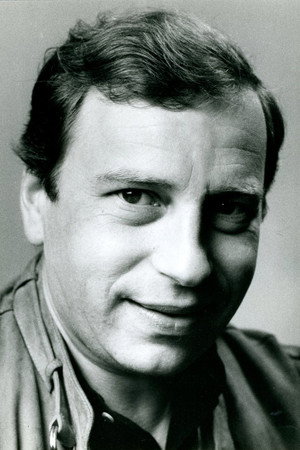
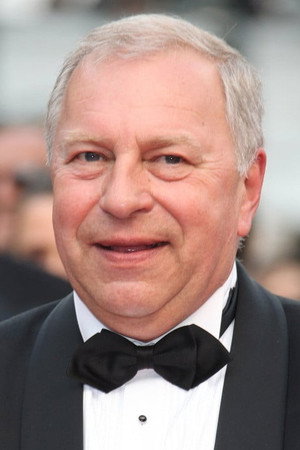
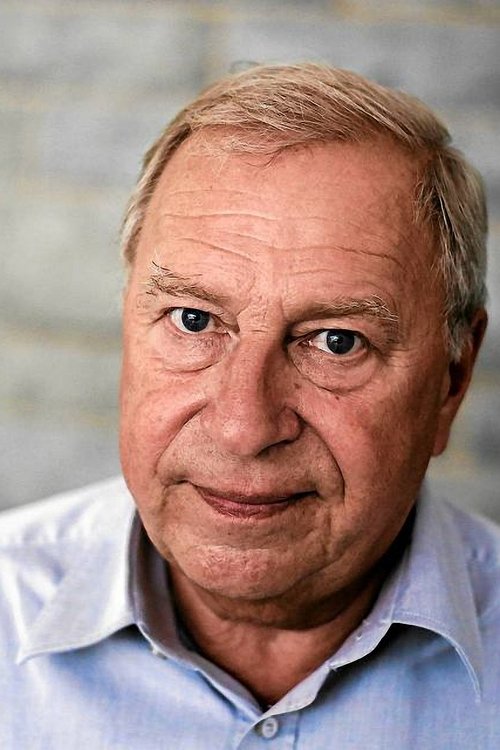
Jerzy Oskar Stuhr (Polish pronunciation: [ˈjɛʐɨ ˈʂtur]; 18 April 1947-9 July 2024) was one of the most popular, influential and versatile Polish film and theatre actors. He also worked as a screenwriter, film director and drama professor. He served as the Rector of the Ludwik Solski Academy for the Dramatic Arts in Kraków for two terms: from 1990 to 1996 and again from 2002 to 2008.
Filmography Movies
Acting
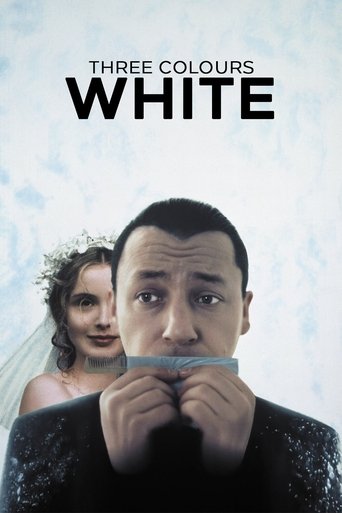
Three Colors: White
Polish immigrant Karol Karol finds himself out of a marriage, a job and a country when his French wife, Dominique, divorces him after six months due to his impotence. Forced to leave France after losing the business they jointly owned, Karol enlists fellow Polish expatriate Mikołaj to smuggle him back to their homeland.
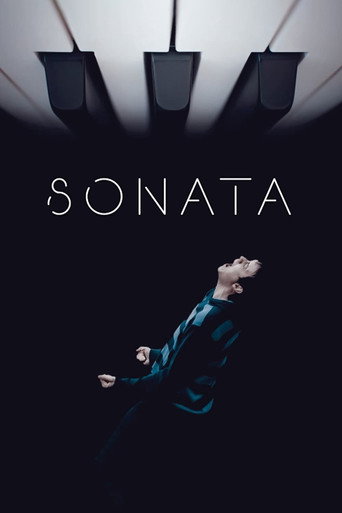
Sonata
Grzegorz, diagnosed as an autistic child, lives in his hermetic world, unable to establish contact with others. When he turns fourteen, it turns out that the cause of isolation is not autism, but hearing loss, which hides great musical talent.
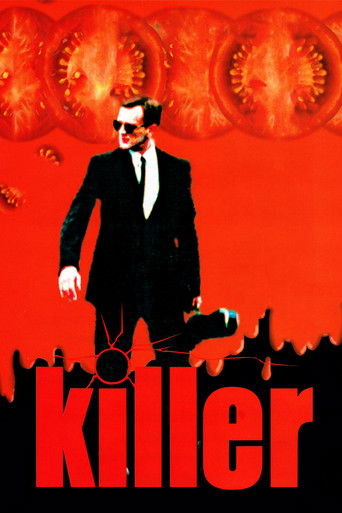
Killer
An innocent cab driver is mistaken for a contract killer and imprisoned. Soon, he is sprung by a mob boss who needs a "killer" for a few more jobs.
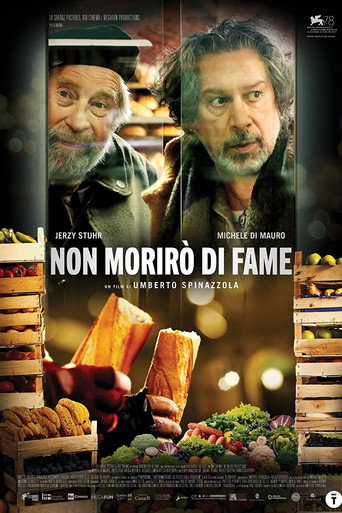
I Will Not Starve
I Will Not Starve tells the story of a fallen chef, formerly a Michelin star, who returns to Turin following the death of his ex-wife and after several years of absence. While trying to mend the broken bond with his teenage daughter, he meets a tramp who introduces him to a new way of life, living freely and taking advantage of grocery store food waste to feed himself. Together, they will transform unloved foods into true masterpieces.
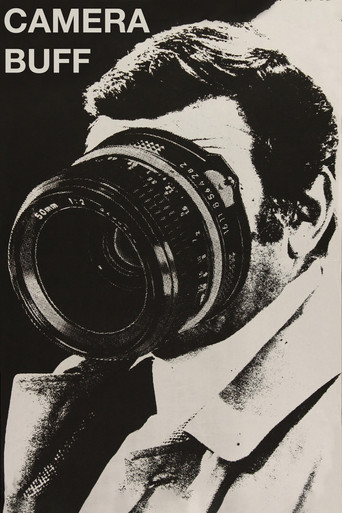
Camera Buff
Filip buys an 8mm movie camera when his first child is born. Because it's the first camera in town, he's named official photographer by the local Party boss. His horizons widen when he is sent to regional film festivals with his first works but his focus on movie making also leads to domestic strife and philosophical dilemmas.
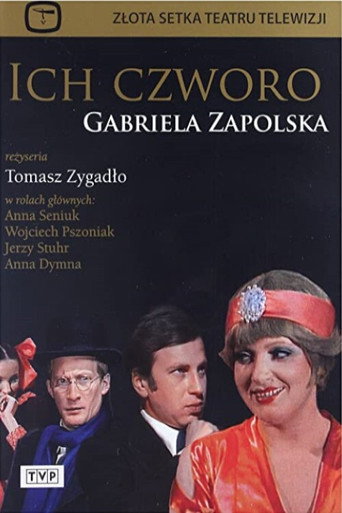
Ich czworo
One of Gabriela Zapolska's most famous comedies, it was written in 1907. A realistic story of a marital triangle, precisely constructed in terms of the psychology of the characters. In this classic production, director Tomasz Zygadło emphasizes above all the truth and universality of human characters and behaviors.
Twists of Fate
A morality tale that starts from answering a mysterious passenger's mobile phone left on a train, and intertwines the lives of student Bartek, who leads an immoral life, and several strangers.
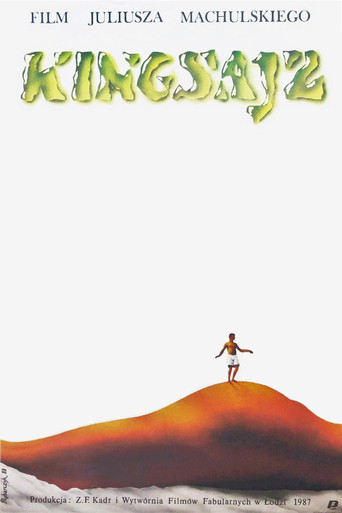
King Size
The story follows a young scientist in the contemporary world, who actually came from the world of dwarves, thanks to a magic potion, held by the Big Eater, ruler of the dwarves. The dwarf kingdom, Shuflandia, exists in a cellar of a library, and only the most obedient get the chance to grow to king size and inhabit the larger world. Once there, nobody wants to return to Shuflandia. Also, there are no women in Shuflandia.
Talking Heads 2021
The film was inspired by one of the most important documentaries shot by Krzysztof Kieślowski, Talking Heads (1980). The director asked his interlocutors seemingly simple questions, such as “Who are you?” and “What do you want?”.
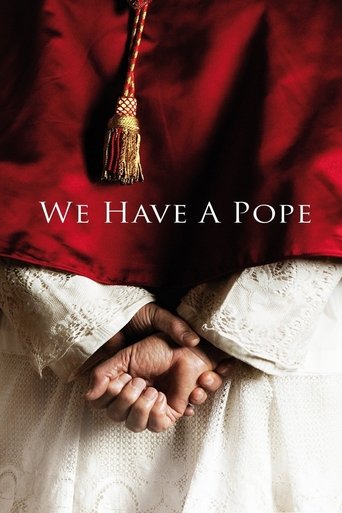
We Have a Pope
The newly elected Pope suffers a panic attack just as he is about to greet the faithful who have gathered to see him. His advisors, unable to convince him he is the right man for the job, call on a renowned therapist who also happens to be an atheist. But the Pope's fear of his newfound responsibility is one he must face alone. Winner Best Film at the Italian Golden Globes.
Production
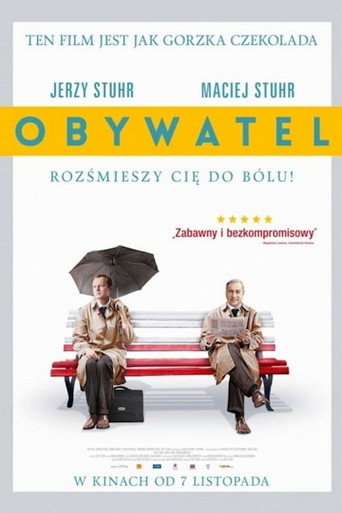
Citizen
An attempt at depicting the life of a generation born and raised in communist Poland; a generation that lived through all the stages of that system and made it to democracy. Throughout his life, the film's protagonist has always tried to be active, but something always got in his way, either through an absurd coincidence, as a result of his own lack of ability, or due to the unpredictable nature of certain events in our recent history.
Twists of Fate
A morality tale that starts from answering a mysterious passenger's mobile phone left on a train, and intertwines the lives of student Bartek, who leads an immoral life, and several strangers.
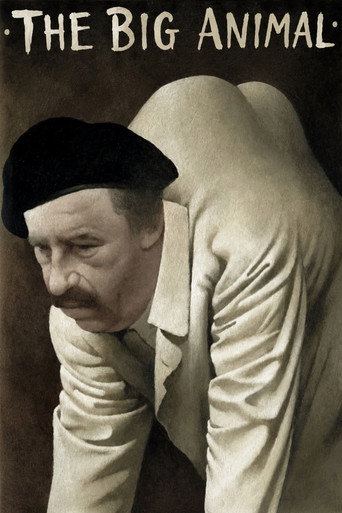
The Big Animal
When the circus leaves town, Zygmunt and Marysia unwittingly adopt a camel into their home. The couple quickly forms a close bond with the nameless camel, but as the bond grows stronger, their neighbors slowly begin to ostracize them.

Invisible World
An anthology film following different stories around the theme of invisibility in the modern world.

Tomorrow's Weather
A man, after having abandoned his family to live in a monastery, goes back into the world after 17 years.
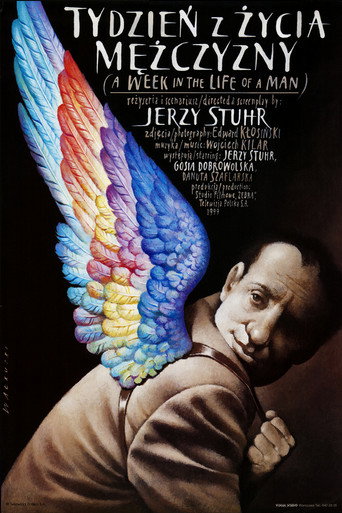
A Week in the Life of a Man
Jerzy Stuhr wrote, directed, and starred in this drama about a man sworn to uphold the law who applies a very different moral code to himself than he does to others. As Adam Borowski, Stuhr plays a government lawyer prosecuting a variety of cases, including smuggling, theft, child abandonment, and racially motivated assault. However, Adam's own life is hardly a model by which to live. He's overextended himself financially and is trying to figure out how to avoid paying the hospital bills for his terminally ill mother. Adam is married, but he's been having an affair for some time, and, while he breaks off his relationship with his mistress, he's easily tempted into other liaisons. His wife wants to adopt a handicapped child; Adam would prefer not to have another child in the house, and he uses his influence to slow up the paperwork. And in order to reduce his tax bill, Adam has involved himself in a charitable donation scheme of dubious legality.
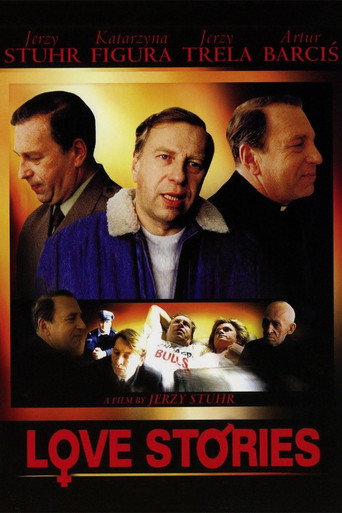
Love Stories
Jerzy Stuhr scripted, directed and plays four roles in this Polish comedy about four men -- an army officer, a college instructor, a priest, and a drug dealer -- and their relationships with four females. An attractive student puts the teacher in an awkward spot when she reveals her love for him. An 11-year-old informs the priest that she's his daughter. The army officer is pleased when confronted by a past lover. The drug dealer, taken prisoner, must decide whether or not to trust his wife with his hidden loot. In the wrap-up, the elderly accountant passes judgment on all four men. Stuhr acted in films by the late Krzysztof Kieslowski, who had some input here by offering advice to Stuhr on this screenplay.

Top Dog
An ironic look at a climber who decides to do anything to get a job he thinks will launch him into a better career.
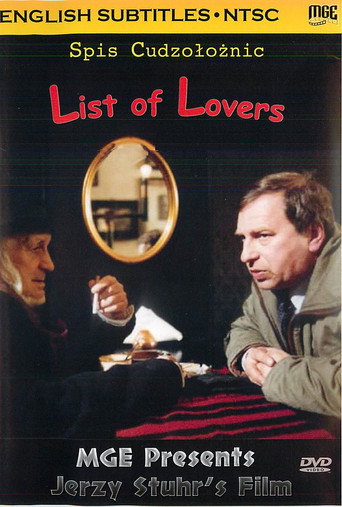
List of Lovers
Jerzy Stuhr Poland s most beloved actor wrote and directed this charming comedy that caters to his image as an innocent caught in a cynical world. Stuhr stars as Gustav, a Krakow professor who is roped into showing a visiting Swedish professor around town. The randy Swede soon tires of Gustav s dull dissertations on Polish heroes and suggests looking for female companionship, but the task proves beyond the skills of the shy academic. Eventually, Gustav calls Isa, an old girlfriend from his distant past who was writing a dissertation on the mating habits of geese the last time they spoke. While Isa is not what the Swede had in mind, Gustav sees his old flame through the rose-colored glasses of time.
Citizen
An attempt at depicting the life of a generation born and raised in communist Poland; a generation that lived through all the stages of that system and made it to democracy. Throughout his life, the film's protagonist has always tried to be active, but something always got in his way, either through an absurd coincidence, as a result of his own lack of ability, or due to the unpredictable nature of certain events in our recent history.
Gallery