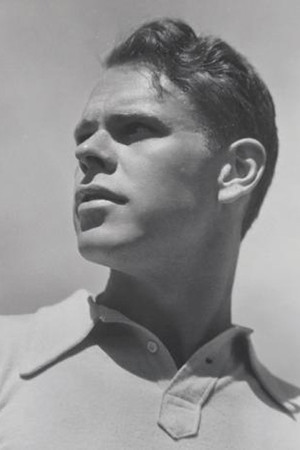
Jerome Hill Movies, TV Shows, and Filmography
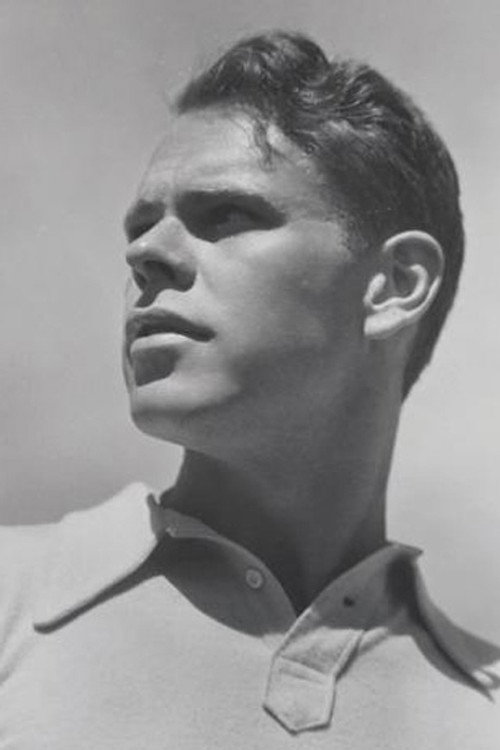
Jerome Hill
Directing
Biography
Jerome Hill (March 2, 1905 – November 21, 1972) was an American filmmaker and artist. He was educated at Yale, where he drew covers, caricatures and cartoons for campus humor magazine The Yale Record. His 1950 documentary Grandma Moses, written and narrated by Archibald MacLeish, was nominated for an Academy Award for Best Short Subject, Two-reel. He won the 1957 Academy Award for Best Documentary Feature for his film Albert Schweitzer. In addition to making films, he was a painter and composer. His last film, the autobiographical Film Portrait (1973), was added to the National Film Registry in 2003. Description above from the Wikipedia article Jerome Hill, licensed under CC-BY-SA, full list of contributors on Wikipedia.
Filmography Movies
Acting
Galaxie
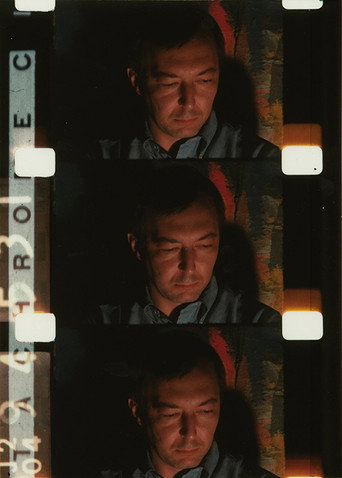
In March and April of 1966, Markopoulos created this filmic portrait of writers and artists from his New York circle, including Parker Tyler, W. H. Auden, Jasper Johns, Susan Sontag, Storm De Hirsch, Jonas Mekas, Allen Ginsberg, and George and Mike Kuchar, most observed in their homes or studios. Filmed in vibrant color, Galaxie pulses with life. It is a masterpiece of in-camera composition and editing, and stands as a vibrant response to Andy Warhol's contemporary Screen Tests. Preserved by the Academy Film Archive in 2001.
Notes for Jerome
During the summer of 1966 Jonas Mekas spent two months in Cassis, as a guest of Jerome Hill. Mekas visited him briefly again in 1967, with P. Adams Sitney. The footage of this film comes from those two visits. Later, after Jerome died, Mekas visited his Cassis home in 1974. Footage of that visit constitutes the epilogue of the film. Other people appear in the film, all friends of Jerome.
Cassis
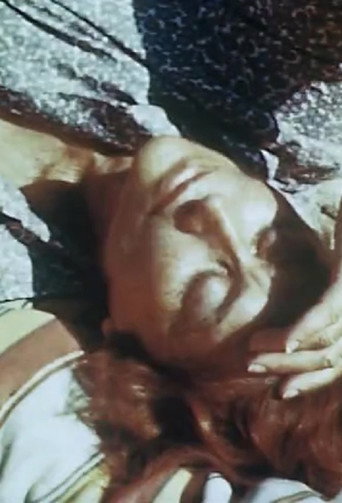
An "autobiographical sketch" centered around small group of vacationers to Hill's estate in Provence-Alpes-Côte d'Azur. A gorgeous and relaxing film-soirée that acted as Jerome Hill's return to cinema after a time away. Workmen construct a walkway to the open air theatre, while friends lounge and hobby, toil and swim.

365 Day Project
This exhibition focuses on Jonas Mekas’ 365 Day Project, a succession of films and videos in calendar form. Every day as of January 1st, 2007 and for an entire year, as indicated in the title, a large public (the artist's friends, as well as unknowns) were invited to view a diary of short films of various lengths (from one to twenty minutes) on the Internet. A movie was posted each day, adding to the previously posted pieces, resulting altogether in nearly thirty-eight hours of moving images.
Hallelujah the Hills
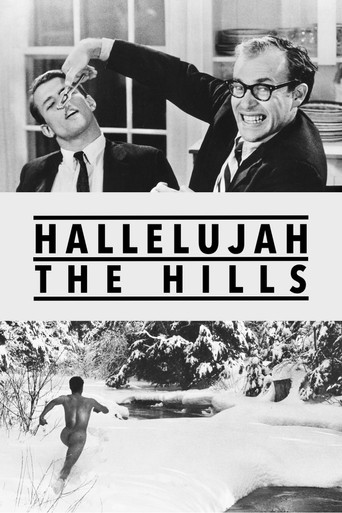
Jack and Leo vie for the affections of Vera – who appears a little differently to each man – over the course of a series of energetic sketches, flashbacks and homages.
Birth of a Nation
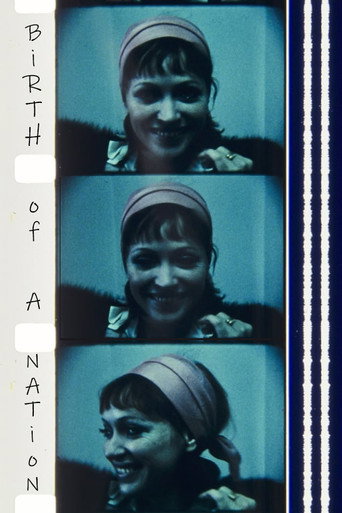
Jonas Mekas assembles 160 portraits, appearances, and fleeting sketches of underground and independent filmmakers captured between 1955 and 1996. Fast-paced and archival in spirit, the film celebrates the avant-garde as its own “nation of cinema,” a vital community existing outside the dominance of commercial film.
Diaries, Notes, and Sketches
Also known as Walden, Jonas Mekas’s first diary film is a six-reel chronicle of his life in 1960s New York, interweaving moments with family, friends, lovers, and artistic idols. Blending everyday encounters with portraits of the avant-garde art scene, it forms an epic, personal meditation on community, creativity, and the passage of time.
Film Portrait
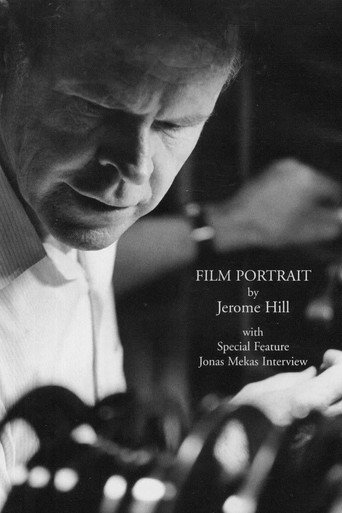
The life of Jerome Hill corresponded with the first formative decades of cinema and a greater part of the 20th century. Through fragments of Hill’s surrealistic, handpainted and documentary films (as well as the James J. Hill family's home movies), this autobiographical work serves as an aesthetically complete documentary of Jerome Hill as an artist and offers a personal perspective of the seventh art.
Carl G. Jung by Jerome Hill or Lapis Philosophorum
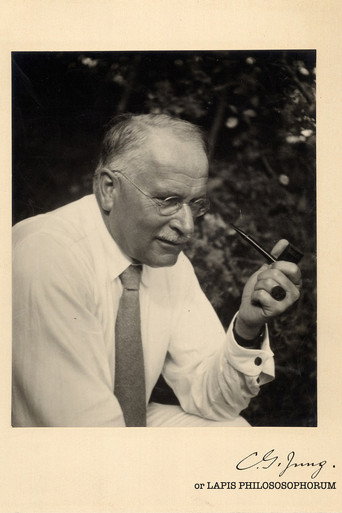
In 1950 Jerome Hill went to Zurich with the intention of making a film about Dr. Carl G. Jung. The project was abandoned when Hill decided that Jung was not a good subject. After Hill's death, Jonas Mekas edited the film which focuses on Dr. Jung as a person.
Production
The Sand Castle
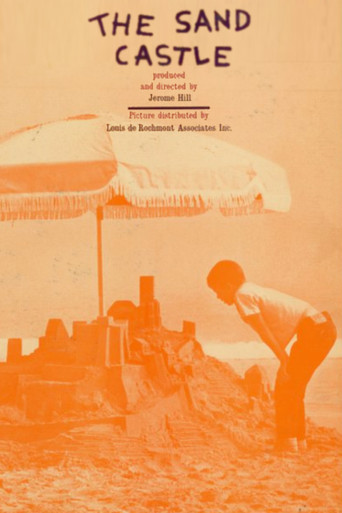
A little boy and his sister forced to spend a day at the beach build a sand castle, to the delight and interest of others. Rich black and white photography collides with a novel fantasy sequence combining color photography, stop motion and cutout animation. Equal parts Jacques Tati, A. Lamorisse and (Hill's perrenial favorite) C. G. Jung.
Film Portrait
The life of Jerome Hill corresponded with the first formative decades of cinema and a greater part of the 20th century. Through fragments of Hill’s surrealistic, handpainted and documentary films (as well as the James J. Hill family's home movies), this autobiographical work serves as an aesthetically complete documentary of Jerome Hill as an artist and offers a personal perspective of the seventh art.
Film Portrait
The life of Jerome Hill corresponded with the first formative decades of cinema and a greater part of the 20th century. Through fragments of Hill’s surrealistic, handpainted and documentary films (as well as the James J. Hill family's home movies), this autobiographical work serves as an aesthetically complete documentary of Jerome Hill as an artist and offers a personal perspective of the seventh art.
Film Portrait
The life of Jerome Hill corresponded with the first formative decades of cinema and a greater part of the 20th century. Through fragments of Hill’s surrealistic, handpainted and documentary films (as well as the James J. Hill family's home movies), this autobiographical work serves as an aesthetically complete documentary of Jerome Hill as an artist and offers a personal perspective of the seventh art.
Film Portrait
The life of Jerome Hill corresponded with the first formative decades of cinema and a greater part of the 20th century. Through fragments of Hill’s surrealistic, handpainted and documentary films (as well as the James J. Hill family's home movies), this autobiographical work serves as an aesthetically complete documentary of Jerome Hill as an artist and offers a personal perspective of the seventh art.
Albert Schweitzer
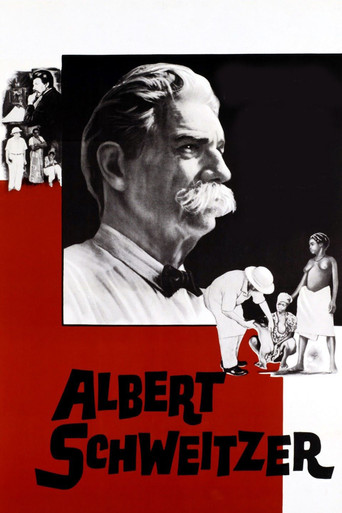
This biographical docudrama traces the life of Dr. Albert Schweitzer, from his birth in Alsace, up to the age of 30 when he made the decision to go to French Equatorial Africa and build his jungle hospital. The latter half of the film encompasses a full day in the hospital-village, following the octogenarian Samaritan in his daily rounds.
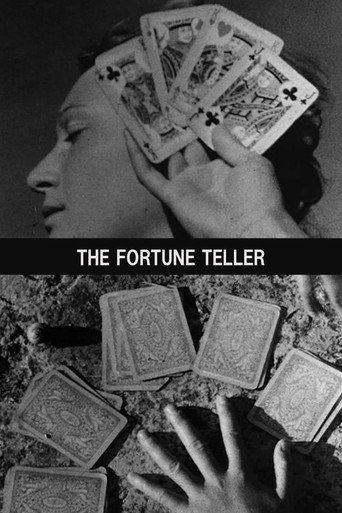
La cartomancienne
In a European seaside village, a maiden takes clean sheets down from the clothesline. Carrying her basket of linens home, she stops to consult a fortune teller. The cartomancienne sees love in the cards. The young woman pauses to reflect. We then see water, swirling, and into view swims a man, as if just appearing on earth. He arrives on shore - is he just in her mind's eye, or is he real? She weaves a garland for her hair. Will they meet?
Albert Schweitzer
This biographical docudrama traces the life of Dr. Albert Schweitzer, from his birth in Alsace, up to the age of 30 when he made the decision to go to French Equatorial Africa and build his jungle hospital. The latter half of the film encompasses a full day in the hospital-village, following the octogenarian Samaritan in his daily rounds.
Albert Schweitzer
This biographical docudrama traces the life of Dr. Albert Schweitzer, from his birth in Alsace, up to the age of 30 when he made the decision to go to French Equatorial Africa and build his jungle hospital. The latter half of the film encompasses a full day in the hospital-village, following the octogenarian Samaritan in his daily rounds.
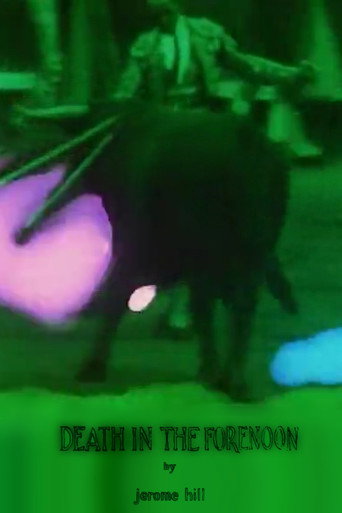
Death in the Forenoon
Footage of a bullfight, shot by Hill in 1934, hand-painted by the artist three decades later.
Gallery