Directing
No biography available.
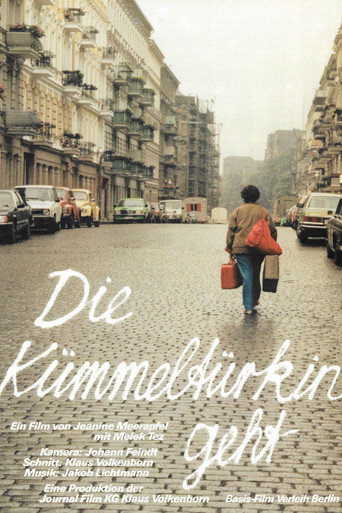
In 1970, Melek Tez came to Berlin as a young worker from Turkey. A confident woman, she first countered racist resentments and remarks with irony and wit. Jokingly, she even referred to herself as a "Kümmeltürkin", a derogatory German term for Turkish migrants. Yet after fourteen humiliating years, her fighting spirit has given way to resignation: Melek Tez is returning to Turkey. Blending documentary, interviews and re-enacted scenes, director Jeanine Meerapfel chronicles Melek Tez' life experience.
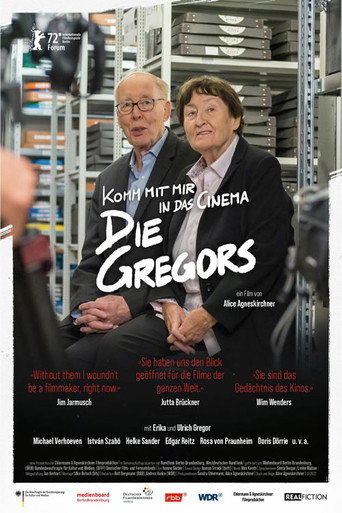
From the 1950s onwards, Erika and Ulrich Gregor brought countless film historical milestones to Berlin and shaped cinema discourse in post-war Germany. A look at the life and work of the couple without whom Arsenal and the Forum wouldn’t exist.
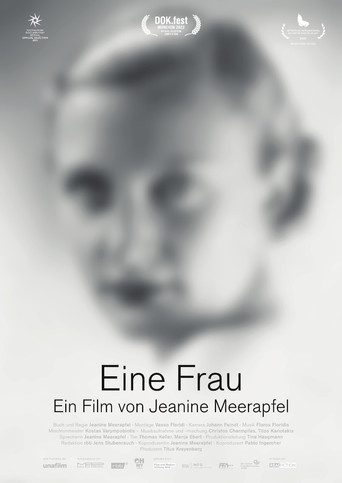
"A Woman" is a cinematic essay about identity. A search into the wounds of exile and a reflection on the function of memory. A haunting and intimate portrait of the director’s own mother. It is the story of an imitation artist, trying to adapt to the challenges of real life … as a woman.
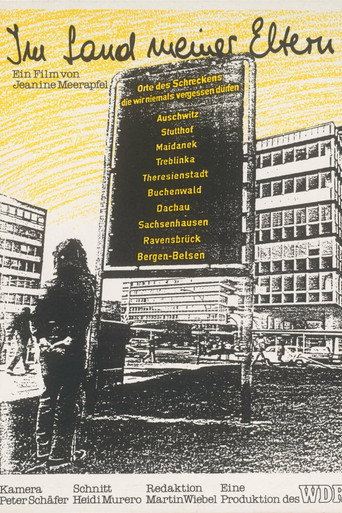
"Had it not been for Hitler, I would have been born a German-Jewish child, more German than Jewish, in a small village in the South of Germany. But as it happened, I was born in Argentina, my mothertongue is Spanish. I came to Germany 17 years ago." It is here, where author and director Jeanine Meerapfel starts searching for her own Jewish identity, being confronted time and time again with Federal Republic reality.
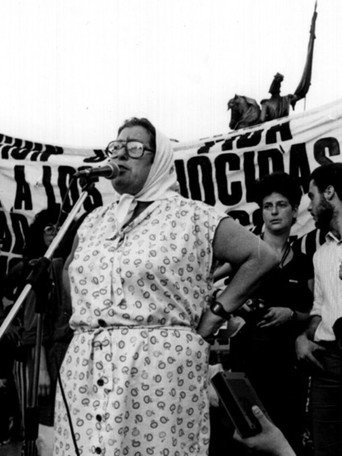
Between 1976 and 1982 thousands of citizens were kidnapped, tortured and killed in Argentina. How do Argentinians cope with this tragedy? How do they elaborate their recent past?
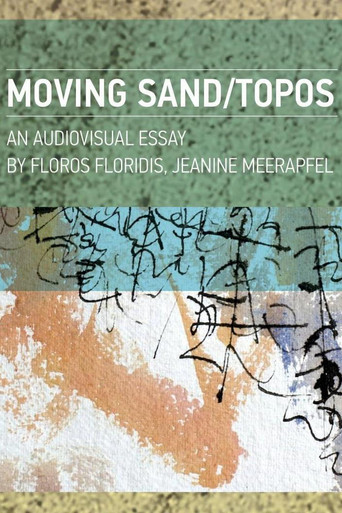
Artificial Intelligence is already changing almost every area of life today. This documentary essay is inspired by the changes that influence our perception of Topos. By combining film images, graphics with documentary text modules, the author associatively points out how the progress of data and technology colonizes human existence and fundamentally influences the balance between the psychological, mental, and biological aspects of life.
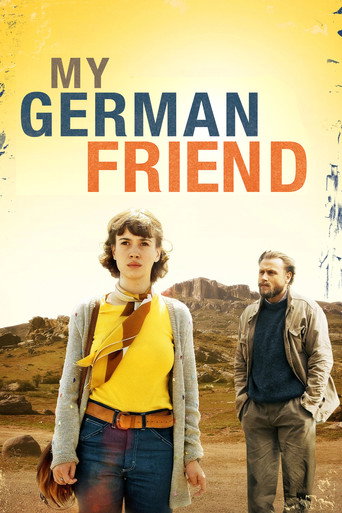
It’s the late 1950s, and in an affluent and quietly respectable part of Buenos Aires, young Sulamit Löwenstein strikes up a friendship with her next-door neighbour Friedrich over the whereabouts of her family dog. She is the daughter of German-Jewish immigrants to Argentina, he is the son of a senior SS officer, a tragic political legacy from whose shadow both characters struggle to escape over the next three decades. Following the teenaged Friedrich to Germany, Sulamit finds him caught up in the radical politics of late-1960s student life; and she’s forced to make important decisions about her attitude to her homeland when Friedrich returns to Argentina to join the fight against the military junta.
A widow reminisces on her life after returning to her family home in Greece.
The creation of news is illustrated by the example of the "Schwäbischen Donauzeitung". The selection of editors, the work on the typewriter and the printing process are shown.
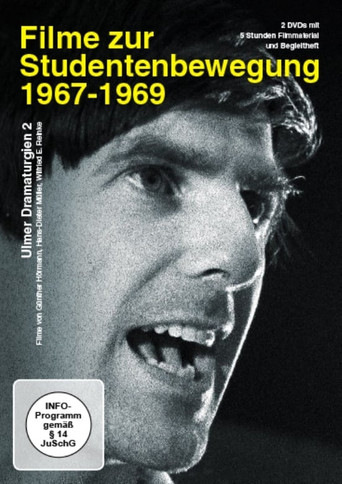
The film chronicles the beginning of the student protest following the death of student Benno Ohnesorg in Berlin in June of 1967.